

























India v Pakistan: T20 World Cup Showdown Delivers High Drama, Massive Crowd and Tight Security

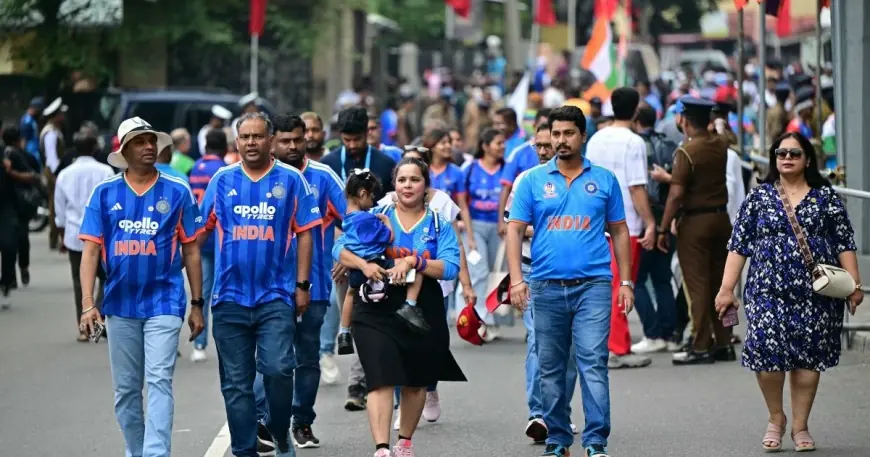
Fans packed the stadium for a marquee T20 World Cup Group A clash that combined fierce on-field competition with an extraordinary atmosphere off it. Tens of thousands of supporters from both nations and a large contingent of local police ensured the fixture was as much a spectacle of pageantry as it was a cricket match.
Crowd, colour and security on full display
Match day resembled a carnival: one side of the stands awash in blue, the other in green, with uninterrupted chanting and drums creating a wall of sound that set the tone before the first ball was bowled. Organisers filled the ground with a significant allocation for each nation—roughly 18, 000 fans backing one team and about 12, 000 the other—while local police numbers were stepped up to maintain order, with around 2, 000 officers deployed across entrances and fan zones.
Security measures were visible and comprehensive. Entry checks and segregated seating eased potential flashpoints, and fan engagement zones were staffed to manage queuing and merchandise sales. The atmosphere remained largely celebratory, with a few tense moments at the boundary lines but no widescale disturbances. For a fixture that has become a global sporting touchstone, the scale of fan presence and policing underlined both the passion and the responsibility involved in staging such an encounter.
On-field contest: tactical chess and individual fireworks
On the pitch, the match unfolded as a tightly contested tactical battle. Both sides used a mix of pace and spin, shifting bowling plans to exploit a pitch that offered variable bounce and support for slower bowlers in the middle overs. The toss influenced early strategy, with the chasing team adjusting aggressively to a scoreboard that demanded rapid scoring in the death overs.
Batting units leaned on power hitting and depth, rotating strikes early before accelerating through the lineup. Fielding lapses and spirited catches proved decisive in turning momentum. Bowlers who executed yorkers and slower deliveries at the right moments stifled the oppositions' momentum, while match-changing knocks from middle-order hitters pushed the contest to the wire. Ultimately, small margins in execution—one dropped catch, a misdirected slower ball, or a boundary in the final over—decided the outcome and demonstrated how T20 dynamics magnify every decision.
Wider implications and the tournament narrative
Beyond the result, the match carried broader significance. It reinforced the fixture's ability to capture global attention and shape the early narrative of a World Cup campaign. For the winning side, momentum from a high-profile victory provides a morale boost and a clearer path through a competitive group. For the losing team, lessons from tight moments and tactical shortcomings will be dissected quickly as coaches and players prepare for the next fixtures.
The spectacle also highlighted logistical lessons for organisers: ticketing distribution, transport coordination and the integration of robust crowd-management strategies will remain priorities as the tournament progresses. Diplomacy and sport intersected in the stands, where rivalries were intense but largely celebratory, and the scale of policing reflected a commitment to keeping the focus on cricket.
In short, the India v Pakistan meeting delivered the drama expected of sport’s most electric rivalry—edge-of-the-seat competition on the field, roaring crowds in the stands, and meticulous security measures off it—reaffirming the fixture’s status as one of international cricket’s most compelling events.