

























Experts Reassure: Calgary Flora Adapt to Rising Temperatures

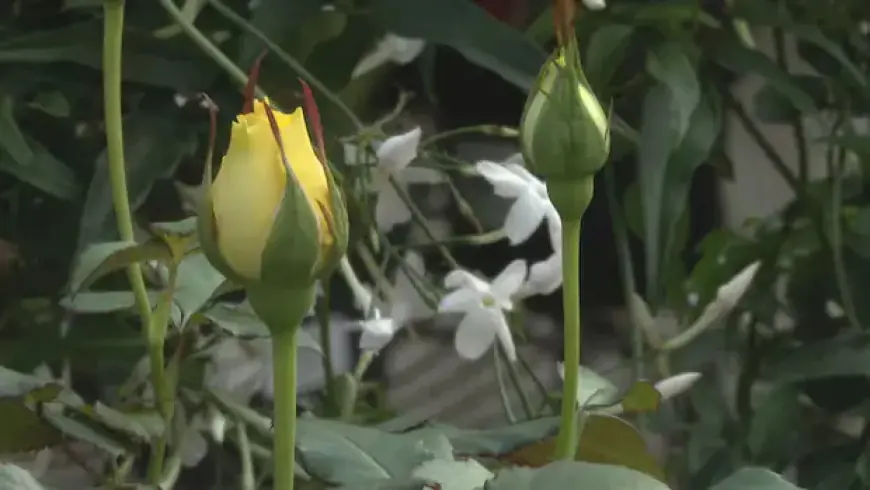
Calgary is experiencing unseasonably warm temperatures in February, but experts assure that local flora is capable of adapting to these changes. Notable horticulturists from the city are addressing concerns about potential stress on plants and trees under these conditions.
Impact of Warm Weather on Calgary Flora
Colin Hayles, a horticulturist at Golden Acre Home & Garden, pointed out that chinook winter spells can indeed stress urban plants. However, he emphasized there is no cause for alarm. “It’s not until a month of this weather that things are breaking their dormancy,” he stated. Although some stress is expected, he affirmed that Calgary’s flora is resilient.
Recent Weather Conditions
Since the start of February, the city has recorded temperatures near or above zero. This unusual warmth has led to closures of outdoor skating rinks and cross-country trails. Events such as the Lake Louise ice carving festival have also been canceled due to these conditions.
- Ice Magic event at Fairmont Chateau Lake Louise canceled for only the second time in history.
- Outdoor activities affected include skating rinks and skiing trails.
Soil Conditions vs. Air Temperature
Hayles explained that the key factor is soil temperature rather than air temperature. The top two inches of soil may dry out, while deeper layers remain cold and frozen. Young trees under three years old should be monitored carefully, as they lack deep-root systems.
“The wind, heat, and sun can dry out the plants, but if the roots are still frozen, they can’t uptake water,” he said. In cases where plants experience winter dieback, a hard spring pruning can facilitate recovery.
Microbiomes and Plant Resilience
Kath Smyth from the Calgary Horticultural Society echoed Hayles’ sentiments. She stated that while different areas of the city may exhibit variations in temperature, it’s too early in the season for plants to show significant signs of stress. Downtown environments may retain more heat due to building structures blocking the wind, yet this is insufficient to cause harm.
- Microbiomes in Calgary vary, affecting localized temperature conditions.
- Not enough sunlight available to mislead plants into premature growth.
Future Weather Predictions
The forecast from Environment and Climate Change Canada indicates a return to colder temperatures next week, possibly with snow. Smyth reassured that this fluctuation is unlikely to impact local flora, stating, “They’ve still got their winter coats on.” The hardiness of Calgary’s plants is enhanced by their adaptation to cold weather.
In conclusion, as Calgary contends with warmer winter temperatures, experts from Filmogaz.com highlight that the city’s plants and trees possess the robustness required to navigate these challenges effectively. Monitoring and aware care will serve to support their health and survival as weather conditions fluctuate.