






















'Love Story' Revisits JFK Jr. and Daryl Hannah's On‑Again, Off‑Again Romance

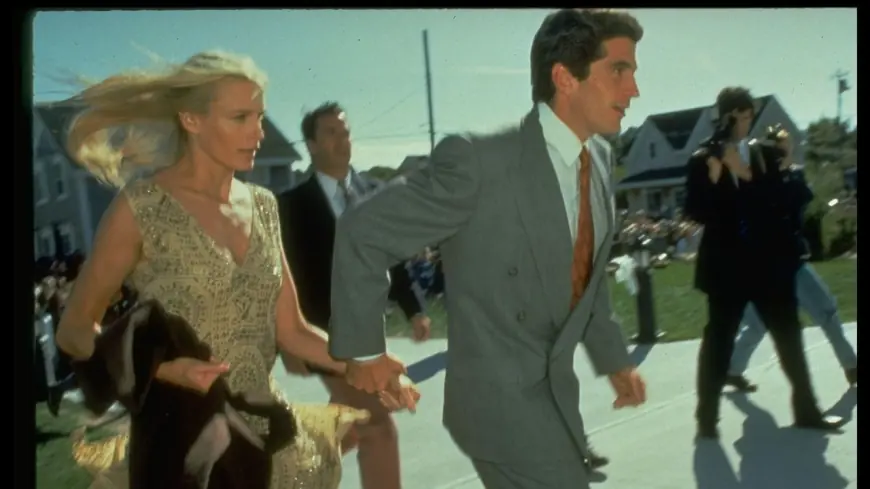
The new dramatized series' second episode leans into one of the most scrutinized episodes of John F. Kennedy Jr. 's early love life: his complicated relationship with actress Daryl Hannah and the tensions it created with his mother. The episode blends tabloid scandal, family strain and the private illness that shadowed the Kennedys in the early 1990s.
How the show frames the romance
Episode 2 foregrounds the push‑and‑pull of JFK Jr. 's dating life, opening with a tabloid snapshot that suggests he and a famous ex are back together. The series compresses a series of starts and stops into sharp dramatic beats, using a single date and a hurried reconciliation to keep the storyline moving. That editing choice keeps the narrative propulsive but smooths over the on‑again, off‑again reality that characterized his relationship with Daryl Hannah. The show signals there is more to come, setting audience expectations for a rekindled passion rather than a prolonged flirtation.
Jackie O. 's reaction and a pivotal family crisis
The episode pivots from romance to family when John rushes to his mother's side after a horseback accident. The dramatization depicts Jackie as restless and resistant to public caretakers, and it culminates in an on‑screen collapse. In real life, Jacqueline Kennedy Onassis would soon be diagnosed with non‑Hodgkin's lymphoma, and she died on May 19, 1994, at age 64. The show uses the moment to highlight how private health crises can magnify tensions around relationships and lifestyle choices within a prominent family.
Did Jackie dislike Daryl? Nuance over blanket hostility
The portrayal suggests Jackie harbored reservations about an actress entering the family fold, and the drama amplifies that unease into moments of awkward confrontation. But the underlying reality presented in source materials is more measured: Jackie was reportedly cautious about the prospect of her son marrying a high‑profile actress, not overtly hostile. The series leans into the idea that the Kennedy matriarch questioned suitability rather than expressing outright hatred, which shapes how viewers interpret subsequent confrontations between John and his dates.
What the series trims and why
Producers chose to streamline the romance for pacing, skipping many of the episodic stop‑starts that marked the real relationship. That editorial shortcut is explicit in the episode's storytelling choices: a few emblematic scenes stand in for a longer timeline of meetings, breakups and reconciliations. The result is a cleaner, more classical narrative arc but one that trades some historical texture for dramatic momentum.
Where the story goes next
The episode ends with threads left intentionally unresolved: the power of tabloid attention, Jackie’s fragile health and the question of whether passion will outlast public scrutiny. Viewers can expect the series to return to the dynamics between John, his romantic partners and his family in subsequent chapters. For audiences curious about the real timeline, the dramatization invites a closer look at the underlying events and personalities that shaped this chapter of modern American celebrity and privilege.
One notable effect of the series is renewed attention on darryl hannah and the role she played in a moment when private relationships became public spectacle. The show aims to dramatize emotion and consequence, even when that approach requires condensing or reordering events for narrative clarity.