




















Celebrity 3-Point Contest turns into a surprise headline at All-Star Weekend as Jared McCain beats PlaqueBoyMax in Los Angeles

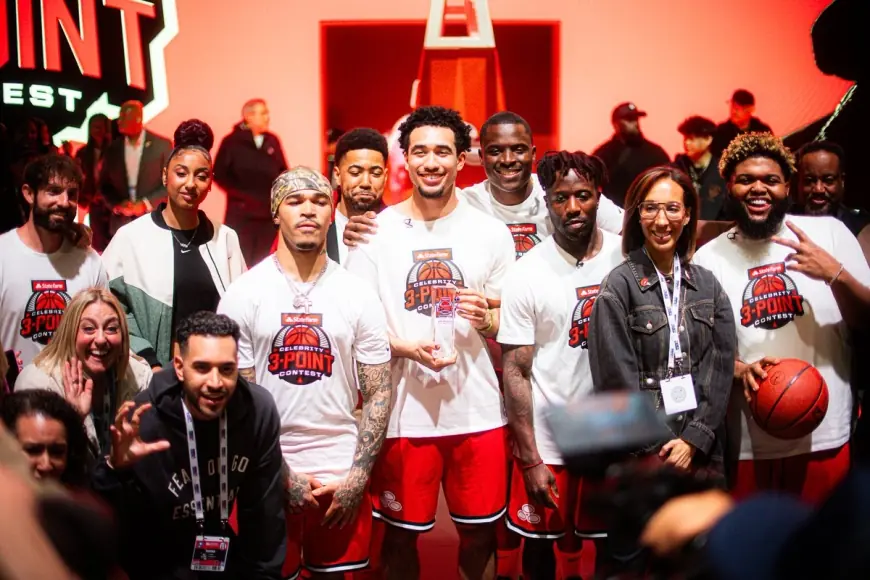
The “celebrity 3-point contest” has quietly become one of All-Star Weekend’s most shareable side events, and this year it produced a result that felt both predictable and oddly revealing about where the league’s midseason showcase is headed. On Friday, February 13, 2026, ET, Jared McCain won the Celebrity 3-Point Contest in Los Angeles, edging PlaqueBoyMax in the final round after a fast-moving bracket that mixed athletes, entertainers, and internet creators.
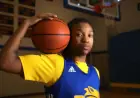
McCain was the only active NBA player in the field, and he played the role of favorite exactly as you’d expect: calm pace, repeatable mechanics, and the kind of rhythm that holds up when the crowd is louder than the stakes. The win gave him a small but real All-Star Weekend “moment” even though he was not part of the main Saturday-night shooting field.
What is the Celebrity 3-Point Contest, and where does it fit in All-Star Weekend?
This event is not the same as the marquee NBA 3-Point Contest on All-Star Saturday Night. The Celebrity 3-Point Contest is a side attraction built for quick clips and clean storylines: recognizable names, simple rules, and a format that can finish before attention drifts.
It’s typically staged around the fan festival programming in Los Angeles during the All-Star Weekend footprint rather than as a centerpiece arena event. That placement is the point. The league wants All-Star Weekend to feel like an all-day experience, not a two-night television appointment.
Who played, and what happened
The field blended sports and entertainment names, including Chicago quarterback Caleb Williams, comedian Druski, BMX rider Nigel Sylvester, former NBA player Richard Jefferson, content creator PlaqueBoyMax, and creator Cam Wilder. A brand mascot figure also participated, underscoring what this contest is designed to be: friendly competition with marketing baked in.
McCain advanced through the rounds and ultimately beat PlaqueBoyMax in the final to take the trophy. Williams finished at the bottom of the results, which became its own mini-plotline online: a reminder that elite athleticism in one sport does not translate cleanly to standstill shooting under pressure.
Behind the headline: why this contest exists and why it’s suddenly getting louder
The celebrity game used to be the “soft” entry point into All-Star Weekend. Now the ecosystem is bigger, and the incentives have shifted.
First, attention is fragmented. The league is competing with everything on a phone screen at once, so it needs a steady stream of small events that produce instant highlights. A short shooting contest is perfect for that: it’s easy to understand, easy to clip, and easy to argue about.
Second, the league is packaging All-Star Weekend for more than basketball diehards. These side competitions are designed to pull in casual viewers who may not care about rotations and schemes but will tune in to see a famous person try to shoot under lights.
Third, brands want “participation,” not just signage. A sponsored contest where personalities compete is more valuable than a logo on a stanchion. The celebrities become the message, and the competition becomes the delivery system.
What we still don’t know
Even with a winner, there are missing pieces that matter if this event is going to keep growing:
-
Will the league formalize the contest with consistent rules and a more visible slot, or keep it loose and flexible?
-
Will future fields avoid including active NBA players to keep it truly “celebrity,” or lean into the mismatch for the spectacle?
-
How will participation be curated going forward: athletic credibility, entertainment value, or social reach?
Those choices determine whether the Celebrity 3-Point Contest stays a fun footnote or becomes a recurring, must-watch side stage of All-Star Weekend.
Second-order effects: what the McCain win signals
McCain’s victory highlights something subtle: players and teams increasingly chase visibility in nontraditional ways. If you’re not in the main event, a side-stage win can still generate headlines, fan engagement, and personal-brand lift. For a player who has recently changed teams and is building a new identity with a new fan base, that matters.
It also creates a new kind of pressure on celebrity participants. Once the contest gets traction, showing up unprepared becomes part of the risk, because the clips last longer than the scoreboard.
What happens next: realistic scenarios and triggers
-
Bigger names enter next year if this year’s clips keep circulating. Trigger: sustained engagement through Sunday’s All-Star Game window.
-
The league moves the contest into a more prominent broadcast-adjacent slot. Trigger: sponsors push for guaranteed mass exposure.
-
Rules get standardized and the field gets “tighter” to protect competitive credibility. Trigger: criticism that the event is too gimmicky.
-
A true celebrity winner becomes the next headline, replacing the “active player dominates” storyline. Trigger: a stronger shooting performer from outside basketball.
The Celebrity 3-Point Contest is still a sideshow, but it’s a revealing one: it shows how All-Star Weekend is evolving from one big game into a full-scale content festival where even the smallest competition can produce the weekend’s most replayed moment.