
























Malinin’s Milan stumble reshapes outlook for 2026 winter olympics men figure skating

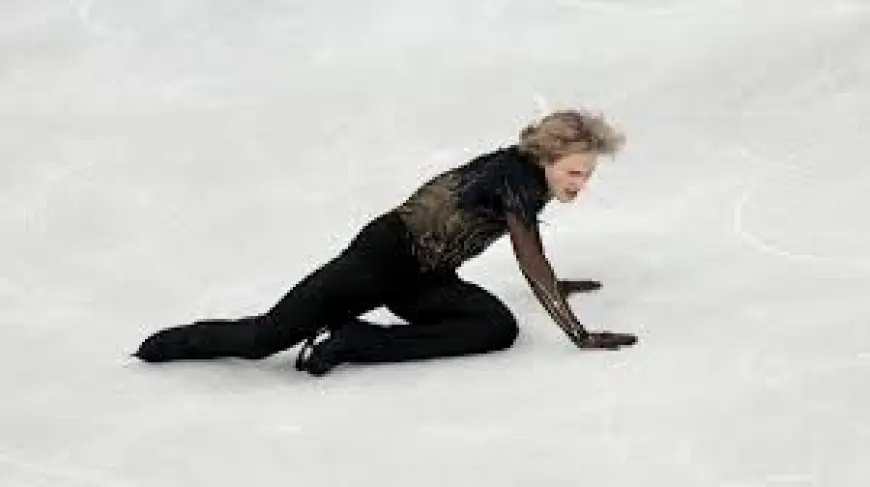
Ilia Malinin’s difficult free skate at the Milano Ice Skating Arena on Friday night (ET) transformed the men’s event at the 2026 Winter Olympics. What began as a showcase for quad jumps ended with a cascade of errors for some favorites, a surprise champion, and a tense, candid moment in the kiss-and-cry that will shadow the U. S. contender on his path to 2030.
Night of upsets at the Milano Ice Skating Arena
The final group saw multiple skaters struggle under pressure, turning what many expected to be a technical showcase into a contest of who could best recover. Those miscues opened the door for an underdog performance to rise to the top: Mikhail Shaidorov delivered a clean, composed free skate that vaulted him into first place and onto the top of the podium.
Malinin’s raw reaction and the hot-mic moment
Malinin’s free skate ended in visible anguish — he stood motionless at center ice with his face in his hands. In the kiss-and-cry area he was overheard saying he “would not have skated like that” had he appeared at the 2022 Olympics. He later clarified in the mixed zone that if he had been at those Games, “I would have had more experience and know how to handle this Olympic environment. ”
The exchange exposed how finely balanced elite performance and public scrutiny can be. The initial hot-mic remark drew immediate attention, and while some will treat it as an unguarded lapse, others have noted that Malinin acknowledged the mistake and tried to contextualize it in the moments that followed.
Shaidorov seizes the moment
Shaidorov’s rise was both unexpected and decisive. On a night when many fell, his free skate stood out for its stability and timing, enabling him to overtake higher-profile rivals. His gold-medal performance culminated in a striking image: the stunned winner singing his national anthem on the podium while observers reflected on how quickly fortunes can change in Olympic competition.
Sportsmanship amid controversy
After his skate, Malinin sought out Shaidorov. The two 21-year-olds embraced and exchanged words at ice level — a scene that complicated the narrative around the American’s hot-mic comment. For some critics, the handshake and hug will read as scripted; for others, it was a genuine moment of respect between competitors who had just battled through Olympic pressure. Either way, the interaction underscored a core Olympic theme: sport can produce both hard-edged rivalry and immediate human connection.
What this means for the future — 2030 and beyond
Malinin has made clear he will continue to skate and to push the technical limits with quads that thrill audiences. This stumble will now be part of the public ledger as he prepares for the next four years. It offers both a cautionary tale about handling the unique intensity of the Olympic stage and a starting point for a comeback narrative that will follow him to the 2030 Games.
For the men’s field as a whole, Milan demonstrated that technical bravado alone does not guarantee gold. Consistency under pressure can elevate a less-heralded skater into champion. As teams and athletes digest these results, attention will turn to who can combine technical ambition with the composure needed on the ice in major finals.
Friday’s drama in Milan did more than decide medals; it reshuffled expectations for the sport’s immediate future. The collision of high-risk jumping, Olympic nerves, and human drama will shape discussions about training, mental preparation, and the sport’s next chapter leading to 2030.