






















F1 2026 Rules Shake Up Driver Rankings and Create Confusion

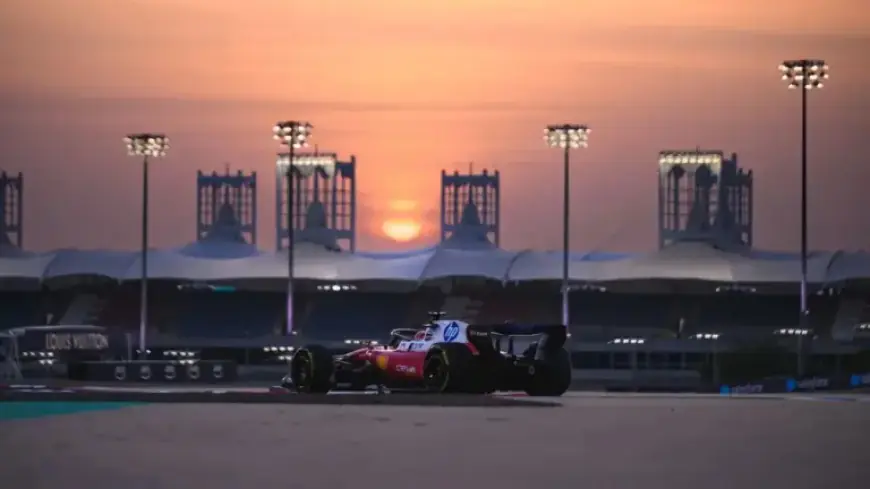
As Formula 1 gears up for the 2026 season, new regulations have created significant shifts in driver rankings and raised questions about team performances. Preseason testing at the Bahrain International Circuit has highlighted these uncertainties, with various teams showcasing different strengths throughout the sessions.
2026 F1 Regulations Impact Performance
The latest updates to the power unit regulations have resulted in a competitive landscape that teams are struggling to navigate. With the capacity to generate three times more electrical power than previous models, the new power units require teams to manage energy usage in innovative ways. This has led to confusion regarding which teams are truly leading the pack.
Shifting Dynamics Among Teams
- Mercedes: Claims that Red Bull has the fastest package.
- Red Bull: Counterclaims that they trail behind Ferrari and Mercedes.
- Ferrari: Points to Red Bull and Mercedes as competitors above them.
- McLaren: Feels that all rivals are ahead in various aspects.
The disparity in opinions illustrates the ambiguity surrounding which teams have a competitive edge. As teams experiment with energy deployment, they continuously analyze each other’s strategies.
Energy Management Becomes Key
Drivers are now contending with energy management much more than prior seasons. Seven-time champion Lewis Hamilton described the new system as “ridiculously complex.” Team principal at Williams, James Vowles, noted the critical balance needed between energy recovery during braking and deployment on straights.
As teams adapt their strategies, the focus remains on enhancing energy harvesting through braking zones and during corners. Those who can optimize this balance are likely to achieve faster lap times.
Driver Reactions to New Challenges
Amid these highly technical changes, driver opinions vary. Max Verstappen has openly criticized the new regulations, stating they detract from the essence of racing. He pointed out that the complexity of energy management is more akin to driving in Formula E than traditional F1.
Contrastingly, Lando Norris expressed enthusiasm about the challenges posed by the new regulations, seeing them as opportunities for driver and team growth.
Performance Variability and Test Results
The preseason tests have thus far produced mixed results. Notably, Alpine’s Steve Nielsen indicated that different manufacturers have shown varying strengths across sessions. Observably fast lap times in Bahrain haven’t settled the question of who is indeed fastest; instead, the picture remains predominantly unclear.
Telemetry data suggested Mercedes and Ferrari might have a slight advantage over McLaren, but with another round of testing, shifts in team performance could emerge.
Concerns Regarding Race Starts
Another crucial point of discussion revolves around race starts. The removal of the MGU-H component has introduced complications in ensuring clean race getaways due to turbo-lag. Leaders are calling for revisions in race start procedures to guarantee safety amidst potentially uneven performances on the grid.
“The grid is not the place in which you want to have cars slow in taking off the grid,” emphasized McLaren’s Andrea Stella. The discussions surrounding these procedural changes are set to unfold at the forthcoming F1 Commission meeting.
As the teams prepare for their final preseason test, significant implications for the 2026 season are on the horizon. The evolving atmosphere in F1 suggests that both regulations and competitive dynamics will keep fans on the edge of their seats.