






















Critics Slam GOP for ‘Grotesque’ Farm Bill Laden with ‘Industry-Backed Poison Pills’

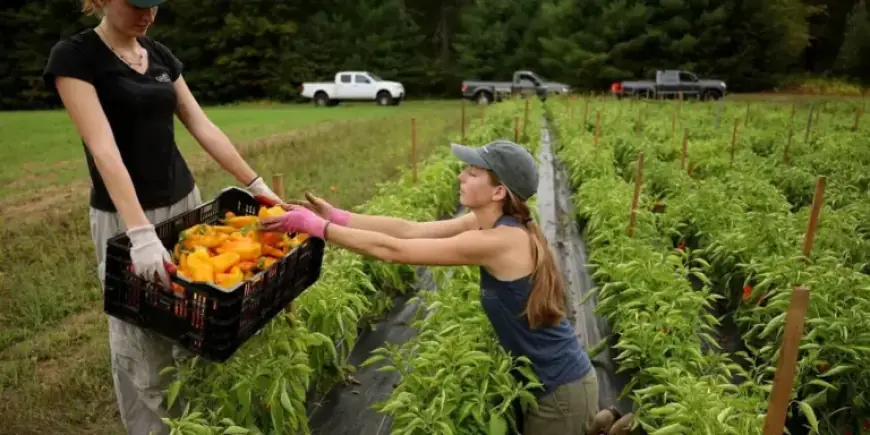
Critics have recently expressed strong disapproval of the proposed Farm Bill unveiled by Republican House Committee Chair Glenn “GT” Thompson. The 802-page proposal has been denounced for being riddled with what opponents describe as “industry-backed poison pills.” This legislation has raised significant alarm among advocates for animal welfare, environmental protection, public health, and small family farms.
Criticism of the GOP Farm Bill
The Farm, Food, and National Security Act of 2026 is seen as a crucial measure to provide certainty to farmers and rural communities. However, critics have swiftly challenged its contents. Representative Angie Craig (D-Minn.) articulated concerns that the bill fails to adequately respond to the issues currently facing farmers and working individuals.
- Key Criticisms:
- Lack of support for ending inflationary tariffs.
- Insufficient strategies to stabilize trade relationships.
- Failure to prioritize domestic market opportunities and lower input costs.
Craig urged her Republican colleagues to collaborate with Democrats to create a genuinely bipartisan bill that addresses urgent problems in the farming community. Additionally, Brett Hartl, from the Center for Biological Diversity, observed that the proposed legislation could worsen pesticide regulation and environmental protections.
Concerns Over Environmental Safeguards
Hartl criticized the GOP Farm Bill as a major concession to the pesticide industry, potentially allowing increased contamination of food and water. He pointed out various significant implications:
- Pesticide companies could be shielded from lawsuits.
- The Environmental Protection Agency’s ability to regulate will be undermined.
- Endangered species protections might be compromised.
Many advocates are alarmed that the bill could lead to unfavorable outcomes for both the environment and public health. Mitch Jones, managing director at Food & Water Watch, labeled any draft with provisions that limit corporate accountability as “must be dead on arrival.”
Impact on Animal Welfare
In addition to environmental issues, animal welfare groups have voiced strong objections to provisions that undermine state-level animal protections. Sara Amundson, president of the Humane World Action Fund, criticized the attempt to override state preferences for animal welfare, particularly mentioning Proposition 12 in California. This measure, upheld by the Supreme Court, aims to enhance animal living conditions.
Concerns for Family Farms
The National Family Farm Coalition highlighted that the Farm Bill draft does not address pressing needs for family-scale farmers. Key issues include:
- Ensuring fair prices for agricultural products.
- Improving access to credit.
- Addressing corporate land consolidation.
This draft perpetuates the existing corporate agribusiness structure, contributing to an ongoing farm crisis and the decline of rural communities.
Neglected Nutrition Assistance
Finally, Thompson’s proposal has faced criticism for not restoring cuts to the Supplemental Nutrition Assistance Program (SNAP), which were enforced by congressional Republicans. Critics like Crystal FitzSimons from the Food Research & Action Center highlighted that these cuts represent a severe disadvantage for many individuals in need.
- Notable Issues with HR 1:
- Impacts on vulnerable populations, including caregivers and veterans.
- Expansion of time limits for food assistance.
This proposed Farm Bill has ignited a significant debate on its potential consequences for farmers, the environment, and food security. Critics are advocating for a fair and equitable farm policy that prioritizes the needs of diverse communities across the nation.