

























Stellantis Plans to Revive Ontario Plant for Car Production, Says Canada CEO

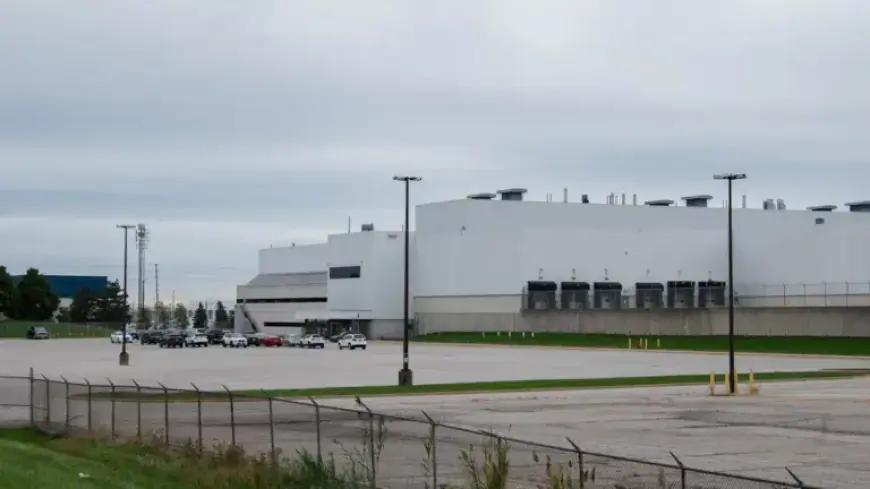
Stellantis NV is deep in discussions with the Canadian government and labor unions regarding the future of its Brampton plant in Ontario. The company, which has a century-long history of manufacturing vehicles in Canada, aims to establish a sustainable manufacturing option for the facility after shifting Jeep Compass production to Belvidere, Illinois.
Future of the Brampton Plant
Stellantis Canada CEO Trevor Longley emphasized the company’s commitment to producing cars in Canada. During an interview at the Canadian International AutoShow in Toronto, he stated, “The reality is that we want to build cars in Brampton.” The company is actively collaborating with the Canadian government and Unifor, the union representing Brampton workers, to resolve various tariff issues.
Impact of Production Shift
- In October, Stellantis announced a $13 billion investment strategy focused on strengthening its operations in the U.S.
- This move affected approximately 3,000 jobs at the Brampton facility.
- Canadian Prime Minister Mark Carney’s government responded by limiting the number of U.S.-made vehicles Stellantis can import without incurring counter-tariffs.
These retaliatory tariffs are part of Carney’s broader strategy to protect the local automotive industry while ensuring firms that continue to invest in Canada remain exempt from such levies. Industry Minister Melanie Joly has indicated potential legal action against Stellantis following the production relocation.
New Automotive Strategy
Recently, Prime Minister Carney introduced a new automotive strategy aimed at safeguarding and attracting investments in the sector. The plan includes revamping the tariff remission program. It would provide import credits to automakers manufacturing in Canada, allowing them to bring U.S. vehicles in without tariffs. This could be an essential step in incentivizing local production.
Longley acknowledged the importance of such measures but urged for clearer details to assess their viability. He stated, “Anything that protects Canadian industry and Canadian auto production is a positive move.”
Continued Investment in Canada
The Stellantis executive noted the longstanding challenges within the industry, particularly the cost-effectiveness of importing vehicles compared to domestic production. However, he reaffirmed the company’s commitment to investing in Canadian manufacturing for the foreseeable future.
Concerns About International Competition
Longley also addressed Prime Minister Carney’s recent deal with China, which allows the import of 49,000 electric vehicles at a lower tariff rate. While he recognized the benefits of increased competition, he raised concerns about whether Canada competes fairly with a non-market economy like China.