






















Kennedy Bans Junk Food from SNAP: Discover What Qualifies in Our Quiz

Health Secretary Robert F. Kennedy Jr. is spearheading a new initiative to reform the dietary habits of low-income Americans. His proposal seeks to prohibit the purchase of junk food with food stamps under the Supplemental Nutrition Assistance Program (SNAP).
Overview of the Initiative
As of January 1, five states have implemented restrictions on certain unhealthy foods eligible for purchase through SNAP. These states include:
- Indiana
- Iowa
- Nebraska
- Utah
- West Virginia
This program aims to target junk food consumption among the over 40 million Americans relying on SNAP. However, the plan has faced challenges, including confusion and inconsistencies among states regarding what constitutes “junk food.”
Confusion Around “Junk Food” Definition
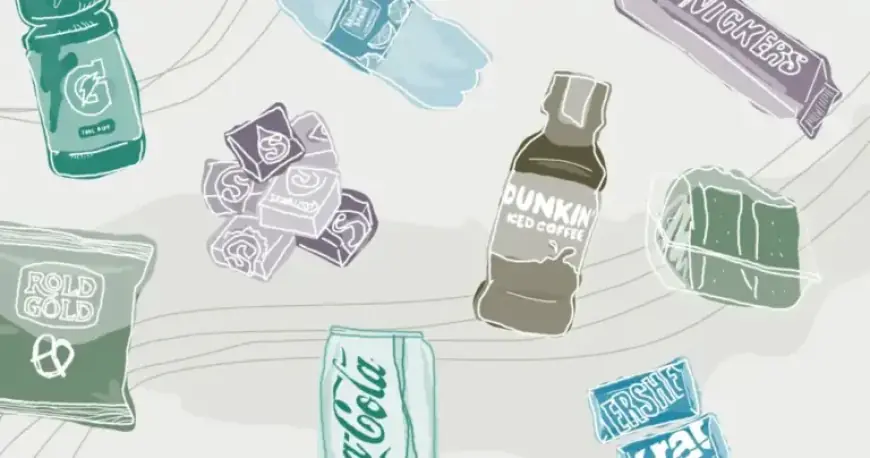
One major issue with the new SNAP restrictions is the lack of a clear, standardized definition of junk food. This ambiguity raises questions about what items can be purchased. For example:
- Does Gatorade qualify as junk food?
- Are granola bars included in the ban?
Furthermore, states differ significantly in their categorization of banned items, leading to further confusion for consumers and retailers alike.
Challenges in Implementation
The rollout of these policies has not been smooth. States like Indiana and Iowa have opted not to publish detailed lists of banned items. Iowa’s officials described creating such lists as “too tedious.” Instead, they place the burden on retailers and consumers to navigate these new guidelines independently.
This lack of clarity raises concerns about the effectiveness of the initiative. Critics point out that removing certain items from SNAP does not guarantee improved health outcomes. Users may still purchase alternative unhealthy options using non-SNAP funds.
Evaluating the Effectiveness
Experts question whether Kennedy’s strategy will accomplish its intended goals. Several factors contribute to this skepticism:
- Limited evidence suggests these restrictions will enhance public health.
- Some banned products are lower in sugar or fat than items that remain eligible for purchase.
- There is no uniform nutritional standard governing what can or cannot be purchased.
As this program continues to unfold, the debate surrounding its efficacy and implementation remains ongoing. For those looking for more insights into the complexities of food purchasing under SNAP, Filmogaz.com offers a quiz to delve deeper into this multifaceted issue.