





















Jimmy Lai Sentenced to 20 Years Under Hong Kong National Security Law

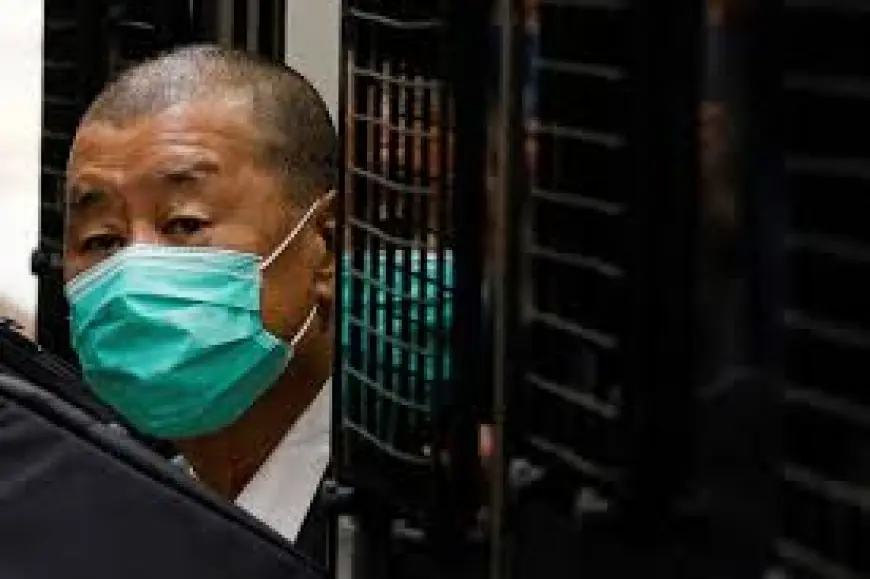
The court handed down the sentence on Monday morning ET, delivering a 20-year jail term to a veteran pro-democracy media tycoon on charges tied to collusion with foreign forces under the city’s national security legislation. The decision marks the most severe punishment imposed under the law to date and escalates a long-running confrontation between outspoken critics of the authorities and the legal framework enacted after the 2019 protests.
Details of the sentence and charges
Judges described the defendant’s conduct as "serious and grave, " placing it in the category of the most egregious breaches of the national security statute. Prosecutors had argued that meetings and communications with foreign officials and policymakers amounted to a conspiracy to collude with external forces. The defendant, who has long denied any intent to influence foreign policy and framed his actions as relaying concerns about Hong Kong’s future, was already serving time for earlier convictions when the new term was added.
Courtroom scene and family reaction
Inside the courtroom the defendant presented a composed image, smiling at family and supporters as the sentence was announced. Emotional scenes played out among those in the public gallery; some observers were heard sobbing. His son, Sebastien, described the outcome as "incredibly heartbreaking, " and said he had repeatedly raised his father’s detention and health concerns with foreign officials during recent diplomatic exchanges. Family members left the court visibly distressed, with relatives warning that the sentence effectively ends the possibility of a normal life for a man in his late seventies.
Health, age and solitary confinement
The man at the center of the case is 78 and has already spent more than five years in custody, including long periods in solitary confinement. Rights advocates and relatives have raised alarms about his physical condition and the toll prolonged detention has taken. Critics of the sentence have characterized the 20-year term as tantamount to a life sentence for an elderly, ailing individual, and called for urgent medical and humanitarian considerations to be factored into any custodial arrangements.
Impact on independent media and dissent
The ruling is widely viewed as a landmark moment for the enforcement of the security law, deepening concerns about the shrinking space for independent media and political dissent in the city. A number of former senior staff from the media organization he founded also received lengthy prison terms, reflecting a broader pattern of legal action against individuals affiliated with outspoken outlets. Observers say the severity of the punishments signals a deterrent message to critics and marks another step in a years-long campaign that has transformed the city’s civic landscape.
Domestic and international implications
Local authorities hailed the sentence as a demonstration of law and order, while human rights advocates condemned it as draconian and indicative of the dismantling of long-standing civic protections. The case is likely to reverberate in diplomatic and commercial conversations, complicating the calculus of foreign officials and business leaders engaging with the city and its central government. Some analysts suggest the decision may also be interpreted as leverage in broader geopolitical talks, though others view it primarily as part of a domestic campaign to curb organized dissent.
As legal avenues narrow and prison terms accumulate, the case will remain a focal point for those who argue the rule of law and the right to press freedom have been fundamentally altered. For supporters and family members, the sentence represents a painful punctuation to a decades-long public life devoted to outspoken advocacy and independent journalism.