

























Jacob Elordi, Heathcliff and the Controversy Over ‘Wuthering Heights’

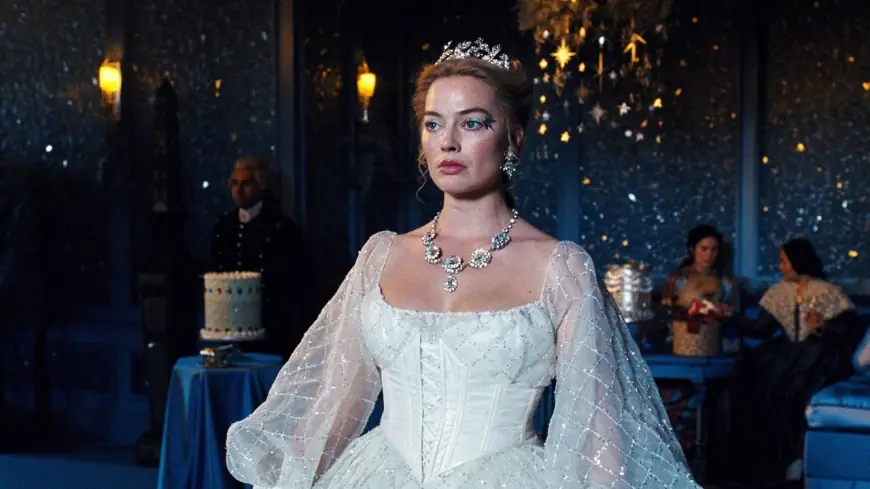
Emerald Fennell’s new adaptation of Emily Brontë’s Wuthering Heights has thrust the novel’s most contentious figure back into the spotlight. Casting Jacob Elordi, a white Australian actor, as Heathcliff has prompted a renewed debate over the character’s racial identity, historical context and what fidelity to the book should mean for modern film adaptations.
What the novel actually says
Emily Brontë’s text contains repeated references that complicate a simple white-or-not reading of Heathcliff. The orphaned boy is called “dark-skinned gipsy” and is once labeled a “Lascar, ” a term historically used for South Asian sailors or laborers associated with British ships. At one point Heathcliff himself laments, “I wish I had light hair and fair skin, ” a line that sits uneasily with other passages that suggest non-Anglo origins.
Those descriptions leave room for multiple interpretations. The house servant Nelly Dean floats speculative explanations: “Who knows but your father was emperor of China, and your mother an Indian queen. ” The novel’s language repeatedly frames Heathcliff as an outsider — not simply through social class but through embodied difference.
Scholarly debate: race, class and otherness
Brontë scholars remain divided on whether Heathcliff was intended as Black, mixed-race, Irish, South Asian, or a more generalized figure of otherness. Susan Newby, learning officer at the Brontë Parsonage Museum in Haworth, said there is “a sense that he is not white Anglo-Saxon, he’s something else, but you don’t know what that is. ”
Some critics link Heathcliff to the Liverpool slave trade: Mr. Earnshaw retrieves the boy from Liverpool, asking after the child’s “owner, ” a detail that scholars argue sits within the broader 19th-century British engagement with slavery and empire. Reginald Watson, an associate professor of literature, suggests Heathcliff may be mixed, and reads the novel through the Brontë family’s abolitionist connections.
Others emphasize anti-Irish sentiment as a possible frame. Elsie Michie, a professor of English, notes that Brontë was writing at the onset of the Irish potato famine and that certain descriptions of Heathcliff mirror caricatures of Irishness. For Michie, the novel’s central dynamics are about various forms of otherness — ethnic, social and cultural.
Onscreen history and patterns of casting
Historically, film and stage productions have tended to cast Heathcliff as white. Notable screen interpretations have included established white actors who bring their own cultural baggage to the role. The pattern reflects broader industry tendencies to prioritize star power and marketability over debates about ethnic authenticity, even when the source material is ambiguous or suggestive of non-white identity.
These casting choices have shifted public reading of the character over generations; when major productions render Heathcliff as white, that interpretation becomes the default for many viewers, regardless of what Brontë’s text implies.
Why the latest casting ignited backlash
The announcement that Jacob Elordi would play Heathcliff revived long-simmering frustrations about representation and “whitewashing” in adaptations. For many modern viewers, casting decisions are not neutral: they signal whose stories are considered authentic and who gets the opportunity to inhabit complex, non-white roles.
Proponents of the casting argue that adaptations can and should take dramatic liberties, and that a strong performance can illuminate aspects of the character that transcend surface markers. Critics insist that when an original text foregrounds racial difference, sidelining that element erases historical specificity and the chance to cast actors from underrepresented backgrounds.
What this debate means for adaptations
The controversy over Heathcliff suggests a broader reckoning for period adaptations. Filmmakers now face sharper scrutiny about how they translate literary ambiguity into casting choices. Some see room for creative reimagining; others demand fidelity to the social and racial resonances embedded in classic texts.
Whatever the outcome, the renewed conversation around Heathcliff exposes how a single casting choice can reopen questions about race, empire and representation that have always hovered around Brontë’s novel. For viewers and artists alike, the debate is less about a single actor and more about who gets to tell and embody stories from the past — and what responsibility adaptations have to the complexities those stories carry.