























NPR Staff Select Top Book-to-Film Adaptations Honoring “Wuthering Heights”

The recent release of “Wuthering Heights” has reignited interest in exceptional adaptations of literature for film. Adaptations can successfully capture the essence of a story while introducing fresh perspectives. However, opinions differ on how faithfully filmmakers should adhere to the source material.
Exploring Top Book-to-Film Adaptations
As “Wuthering Heights” steps into the spotlight, many are reflecting on other beloved adaptations that have made an impact. Here are some notable examples that underscore what makes these transitions successful.
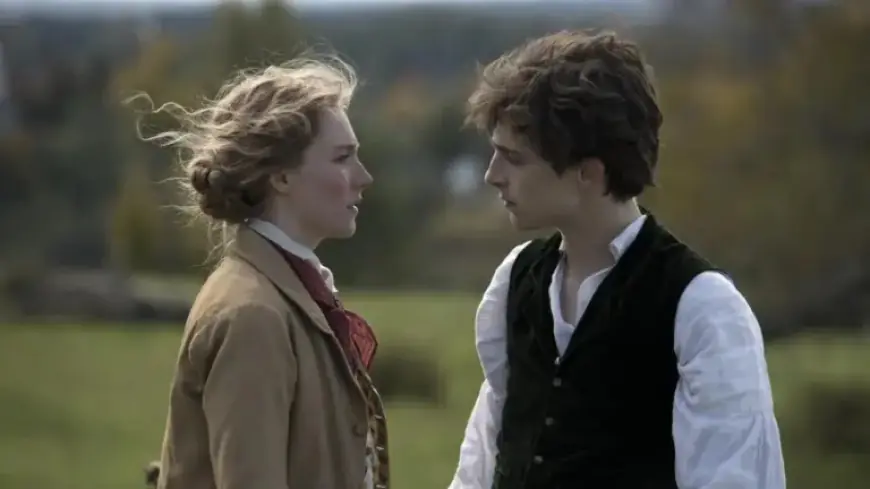
Little Women (2019)
The film adaptation of Louisa May Alcott’s classic, directed by Greta Gerwig, is a remarkable feat. Released in 2019, Gerwig revitalizes the narrative while remaining true to its heart. This version shifts the love story focus and emphasizes Jo March’s ambition as a writer, showcasing her journey to publishing success as her ultimate triumph. Gerwig’s approach invites a modern audience to appreciate the depth of the characters while embracing timeless themes.
Nickel Boys (2024)
Based on Colson Whitehead’s novel, “Nickel Boys” dives into the harrowing experiences at a troubled reform school in Florida during the Jim Crow era. The film’s immersive perspective offers a more powerful experience than reading the book alone. Director RaMell Ross successfully portrays the characters’ emotional depth, making the story resonate profoundly with viewers. The unique storytelling technique captures the trauma while engaging audiences in a compelling narrative.
Blade Runner (1982)
Philip K. Dick’s “Do Androids Dream of Electric Sheep?” became the iconic 1982 film “Blade Runner.” The movie, while simplified, captures the core essence of the original narrative around androids and human identity. Critics note that while the film omits extensive lore, it excels in creating a gripping visual and emotional experience. It presents a dystopian world that is as intriguing as the themes explored in the book, notwithstanding its divergent focus on narrative elements.
Starship Troopers (1997)
In 1997, director Paul Verhoeven took a satirical approach with “Starship Troopers,” which was based on Robert Heinlein’s novel. The film critiques the militaristic ideas presented in the book while delivering entertainment through its action sequences. Verhoeven’s adaptation cleverly juxtaposes serious commentary with engaging storytelling, creating a film that resonates differently from its source while still captivating a wide audience.
Conclusion
The landscape of book-to-film adaptations is vast and varied, illustrating that differing interpretations can lead to outstanding cinematic achievements. Whether through fidelity to the text or innovative reinterpretations, successful adaptations provide audiences with new ways to engage with familiar stories.