




















Golden touch! Karolina Muchova's top three finesse shots in the Doha semis

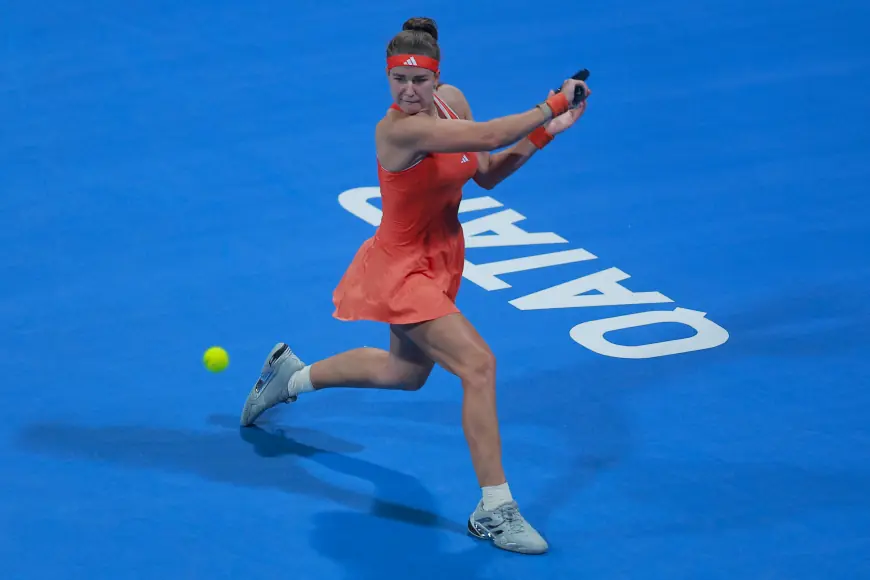
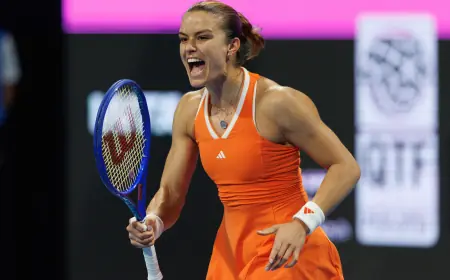
Karolina Muchova’s comeback win over Maria Sakkari in the Doha semifinals was more than a scoreline reversal — it was a clinic in touch tennis. Down a set and a break, Muchova used a trio of delicate, perfectly timed shots to wrest control from a surging opponent and power her way into her first final since Beijing 2024.
The backhand drop that restarted the fight
Early in the second set, Muchova began to tilt rallies away from brute force and toward placement. One backhand drop shot in particular encapsulated that shift: after being pushed deep and forced on the defensive, she absorbed Sakkari’s pace, clipped the ball just over the net and watched a charging opponent fail to recover. The delicate touch robbed Sakkari of momentum and coaxed errors out of a player who had been dictating play moments earlier.
That shot wasn’t flashy for the highlight reels, but it was surgical — a compact preparation, soft wrist and the right pace to force a hurried, off-balance finish. It underlined Muchova’s willingness to vary the rhythm and forced Sakkari to start rethinking patterns that had been working in the first set.
A volley that reclaimed the net and the scoreboard
Midway through the second, Muchova’s net game came to the fore. Instead of slugging through extended baseline exchanges, she angled forward, took the ball early and produced a velvet volley that clipped the sideline. The precision — placement over power — turned what could have been a grinding rally into a short, decisive point and helped swing a critical game back to the Czech.
The significance of the volley was strategic as much as aesthetic. It showcased Muchova’s court sense: bringing Sakkari forward, then opening the court with sharp hands. That willingness to attack the net at the right moments disrupted Sakkari’s rhythm and paved the way for the momentum swing that sent the match to a decider.
The service winner that closed the decider
After carving a 5-0 lead in the third set, Muchova finished with composure. Her final strike was a service winner — a bold, well-placed first serve that cut the court off and earned the match-clinching point two games later. It was the perfect punctuation to a comeback that relied as much on touch and timing as on guts.
That service winner encapsulated Muchova’s third-set plan: stay aggressive on serve, use placement to finish short points, and lean on polish rather than power. When the margin was needed most, she produced a clean, unflappable shot to lock up the victory.
Why finesse beat brute force
Sakkari had seized the opening set and carried momentum into the start of the second, but Muchova’s shift to an all-court, craft-oriented approach turned the match. By mixing drops, angled volleys and surgical serving, she forced Sakkari into uncomfortable positions and reduced the effectiveness of raw power. The result was a 3-6, 6-4, 6-1 comeback in a match that lasted two hours and 13 minutes.
Muchova’s performance was a reminder that on the modern tour, variety and touch can be the great equalizer. Instead of trying to out-muscle a relentless opponent, she changed the conversation point by point, leaning into finesse to open the court and finish points cleanly.
What this means heading into the final
The win sends Muchova into her first final since Beijing 2024, a run that ends a 17-month wait for championship tennis at this level. It’s her third final at the 1000-tier, and she’ll be chasing a maiden title at that level on Saturday. Beyond the ranking and the résumé boost, the semifinal showed that when Muchova finds her timing and trust in touch, she can dismantle even the most determined opponents.
For fans and rivals alike, the takeaway is clear: when the Czech blends her technical craft with the right tactical choices, the results can be devastating. The Doha crowd will get to see if that golden touch holds up in the title match.