





















Dorothea Wierer Says Menstrual Symptoms Held Her Back as She Missed Olympic Biathlon Gold

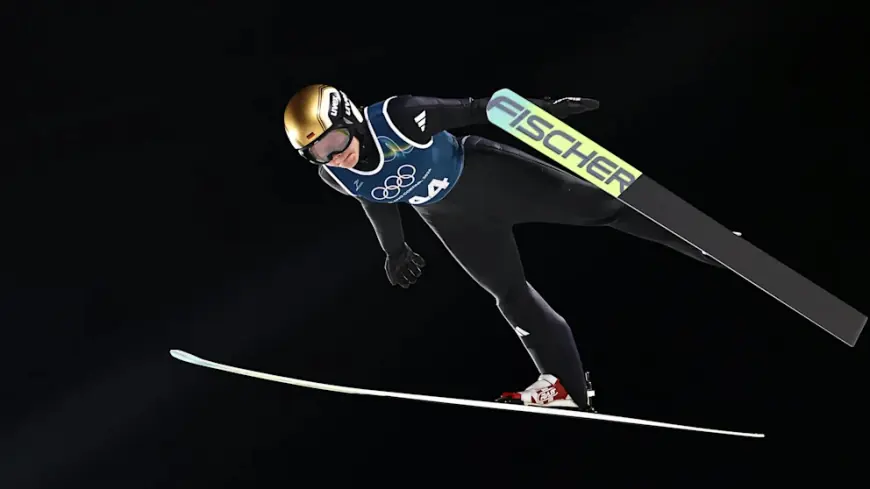
Dorothea Wierer finished fifth in the individual biathlon in Antholz and surprised many with a blunt explanation: she was on her period. The 35-year-old local favourite laid out how monthly symptoms affected her performance and framed the admission as part of a wider push for openness about women’s health in elite sport.
Wierer’s candid post-race assessment
Moments after crossing the line, Wierer did not offer a clichéd excuse. "I have my period. I'm not feeling bad, but I'm a bit sluggish, " she said when asked what had been missing. The admission was simple and direct — a rarity in high-performance reporting — and it immediately shifted attention from the result itself to the conditions behind it.
How the cycle affected her race
Wierer explained that the physical toll became pronounced after the third loop, when fatigue and discomfort compounded. She also acknowledged a shooting error that cost her time. "You can miss, it happens, " she added, noting that haste may have played a role under the circumstances. Still, she rejected framing the finish as failure. At this stage of her career, she said, a fifth place at a home Olympics is far from negligible.
What Wierer’s honesty signals for women’s sport
Medical research has long documented that the menstrual cycle can influence athletic performance: fatigue, cramps and altered concentration are among common symptoms. Yet athletes rarely name the cycle openly. Wierer’s forthrightness highlights the reality that elite competitors are managing bodily rhythms that can fluctuate at the worst possible moments — and that those rhythms deserve plain discussion, not euphemism.
Wierer framed the subject as everyday biology. "Why shouldn't people know that you aren't at one hundred percent? This is the most normal thing there is, " she said, urging a basic level of understanding among fans and male viewers alike.
Context in a career defined by consistency
Remarkably, Wierer said this was not an isolated incident in her long career. She noted that she has experienced her period at every World Championship and Olympic appearance, making timing an unavoidable factor rather than an unlucky aberration. "The timing is unfortunate, but it can't be changed, " she said, adding with pragmatism that she expected symptoms to ease in a couple of days and that she planned to return aggressively.
The race itself offered bright spots: Wierer described being buoyed by the crowd and by widespread encouragement around the course. She also emphasized a sense of acceptance. "A fifth place at my age, at the end of my career, is nothing to scoff at, " she said, signalling a quiet contentment as she prepares to step away from competition.
Looking ahead: finishing on her own terms
Wierer is set to retire after the current Games, with four more races on her schedule. She said she intends to savour those starts. Her plainspoken comments are likely to be among the enduring memories of this Olympic week: not only a measure of athletic outcome, but a reminder that the lived realities of women athletes — including menstrual cycles — are part of the performance story.
Whether Wierer’s candour prompts broader changes in how teams, coaches and media handle these issues remains to be seen. For now, she leaves the stage having combined competitive grit with an uncommon degree of openness, and with a clear message that women’s bodies and the cycles that shape them deserve straightforward acknowledgement.