















JD Vance Criticized Over Controversial Olympics Comments

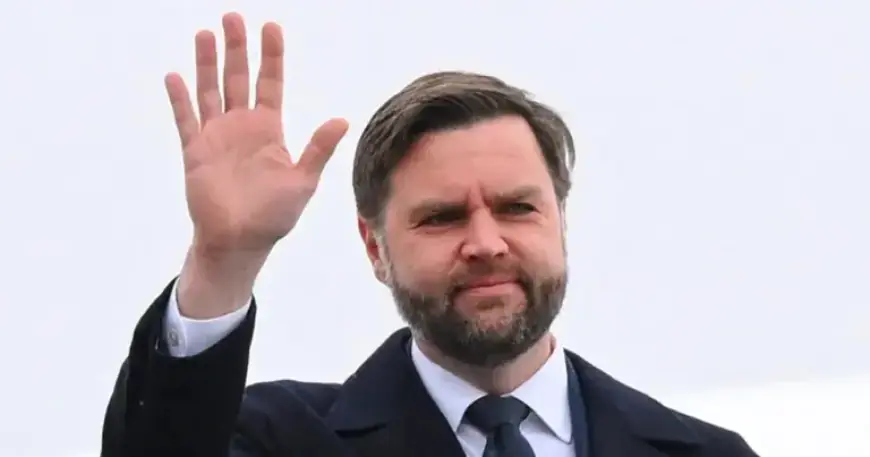
JD Vance, the U.S. Vice President, has faced significant backlash over his controversial comments concerning American athletes at the Milan Cortina Winter Olympics. His remarks encouraged Olympians to refrain from political discussions and focus solely on their sports performance.
JD Vance’s Comments on Olympians
Vance expressed his opinion that U.S. Olympic athletes should prioritize their roles as competitors rather than engage in political discourse. He argued that they represent all Americans, regardless of political affiliations, and suggested they should aim to unite the nation.
- Vance stated: “You’re there to represent your country and hopefully win a medal.”
- He warned athletes that venturing into political discussions would likely attract criticism.
- His comments were made in the context of increasing political tensions within the U.S.
Reactions from Athletes
Responses from U.S. athletes varied. Hunter Hess, an American freeskier, articulated mixed feelings about representing Team USA amid ongoing political issues. He noted that wearing the national flag does not automatically align one with every aspect of U.S. policy.
- Hess remarked that he feels connected to his supporters and family rather than the broader political climate.
- His comments received public scrutiny, including criticism from former President Donald Trump, who labeled him a “real loser.”
Social Media Backlash
The backlash against Vance intensified on social media platforms. Many users criticized him for undermining athletes’ rights to voice their opinions on significant issues. They pointed out that this freedom of expression is fundamental to American identity.
- Critics highlighted historical examples where athletes like Muhammad Ali and Jackie Robinson used their platforms for social commentary.
- Jo (@JoJoFromJerz) noted that placing pressure on athletes to conform is inappropriate given the current political climate.
Expert Opinions
Rick Burton, an emeritus professor at Syracuse University, remarked on the tradition of athlete activism. He asserted that political expression in sports is not a new phenomenon but rather a part of sports history.
- Burton noted instances of athletes challenging the status quo across generations.
- He emphasized the ongoing relevance of free speech, even in the face of potential backlash.
As the Olympics continue until February 22, the discourse around athlete activism and political expression remains pivotal. This situation raises essential questions about the role of sports figures in political discussions and their right to express dissenting views.