





















SAVE Act and SAVE America Act advance in House, tightening federal voting requirements

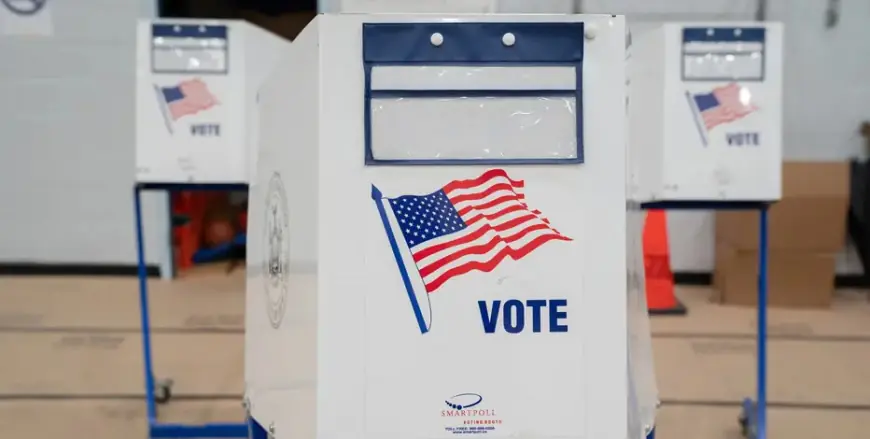
The SAVE Act debate is back at the center of Washington’s election fight after the U.S. House approved a new version—often called the SAVE America Act—that would require documentary proof of U.S. citizenship to register for federal elections and add a new photo ID rule for voting. The measure passed on Wednesday, Feb. 11, 2026 (ET), largely along party lines, setting up a high-stakes Senate showdown that is expected to determine whether the bill becomes law or stalls again.
The push has also fueled a wave of public confusion online—what is the SAVE Act, how it differs from the “save act bill” language being shared on social media, and what the actual save act voting requirements would be for everyday voters.
What is the SAVE Act?
The SAVE Act is shorthand for “Safeguard American Voter Eligibility Act,” a proposal that would change how people register to vote in federal elections. While noncitizen voting in federal elections is already illegal, supporters say the bill strengthens enforcement by requiring hard documentation rather than a sworn attestation.
In practical terms, the legislation would restrict states from accepting a federal voter registration application unless the applicant presents documentary proof of citizenship. That’s a major shift from the current nationwide approach, which generally relies on an applicant’s signed attestation under penalty of perjury, with states using various database checks.
SAVE America Act details: what the bill adds
The newest House-passed version is widely described as the SAVE America Act, a label used for a closely related bill package that expands beyond registration rules.
Key additions include a requirement for photo identification at the polls for federal elections, plus a directive for states to increase reviews of voter rolls using the Department of Homeland Security’s SAVE system—an existing tool designed to verify immigration status for certain benefit programs, now proposed as part of a broader voter-roll maintenance effort.
Backers frame the bill as an election-integrity update. Opponents argue it creates new barriers for eligible voters who do not have ready access to a passport, birth certificate, or other qualifying documents—especially voters who have moved often, elderly voters, and people whose legal names have changed.
SAVE Act voting requirements: what would change for voters
If enacted as described by House sponsors, the biggest day-to-day impact would be felt at registration, not just on Election Day.
Key takeaways
-
Proof of citizenship for registration: Applicants would need acceptable documents to register for federal elections.
-
Photo ID to vote: Voters would need qualifying photo identification for federal ballots.
-
State roll checks: States would be pushed to more routinely compare voter rolls with federal verification systems.
-
Timing: House language points to implementation beginning in 2027, meaning it would not automatically rewrite rules for the 2026 midterms.
Supporters emphasize that the proposal targets only new registrations and is meant to prevent ineligible registrations before they happen. Critics counter that registration is exactly where rules can unintentionally block lawful voters, particularly people who don’t have the “right” paper documents on hand.
Political math: why the Senate is the hurdle
The House vote was close, and the Senate is widely expected to be an even tougher climb. Under current Senate rules, most major legislation needs 60 votes to advance, and leaders in the minority have signaled they intend to block it.
That makes the outcome less about whether the bill can pass the House—where it already has—and more about whether any compromise emerges that can draw bipartisan support in the Senate. As of Friday, Feb. 13, 2026 (ET), no clear compromise text has surfaced that would satisfy both sides.
Why “save act bill” is trending—and what to watch next
The bill’s progress has been amplified by live political coverage on cable and by high-traffic political commentary sites, pushing terms like “save act,” “the save act,” “save america act,” and even the generic “act” into trending searches. Much of that conversation centers on a single question: does tightening documentation stop unlawful voting, or does it make lawful voting harder?
Next steps to watch are concrete:
-
Whether Senate leadership schedules a vote or keeps it off the floor
-
Whether any amendments appear that narrow the ID requirements or expand alternatives for voters missing documents
-
Whether states begin revising administrative procedures in anticipation of 2027, even without final federal passage
For now, the SAVE Act and SAVE America Act remain proposals—not new national law—but the House vote has turned them into the clearest flashpoint yet in the 2026 fight over federal election rules.