






















Milan-Cortina Day 6: Snowboard cross seeding starts, Heraskevych disqualified; spotlight also turns to Lukas Britschgi

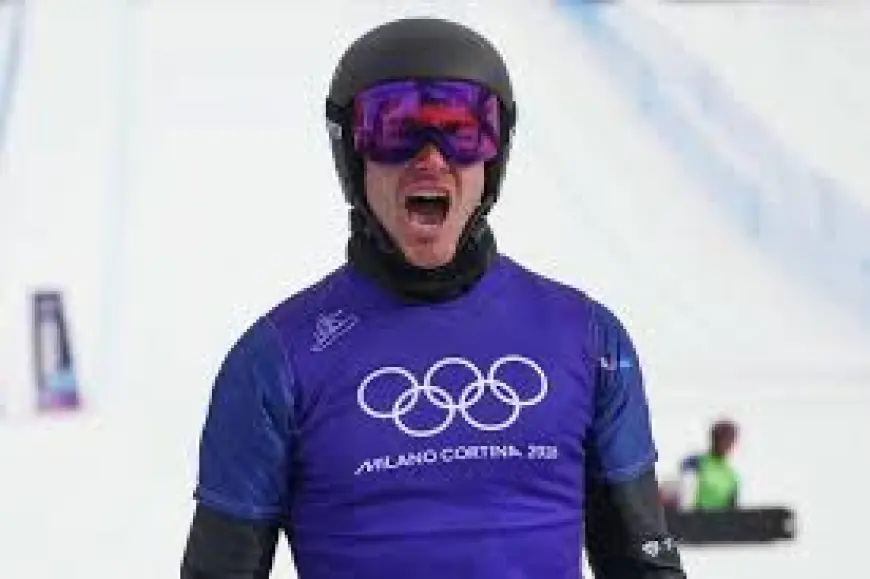
Day 6 of the 2026 Winter Games delivered a wide spread of storylines in Eastern Time, from the launch of men’s snowboard cross seeding to a high-profile disqualification in skeleton and a shake-up in the halfpipe. With nine medal events on the docket, headlines stretched across the slopes and the ice — and attention is beginning to drift toward figure skating, where Swiss standout Lukas Britschgi is set to draw interest as the week progresses.
Snowboard cross seeding opens in Livigno
Seeding runs in men’s snowboard cross got underway at Livigno Snow Park with a mix of decorated veterans and surging leaders. First out of the gate was Nick Baumgartner, the 44-year-old, five-time Olympian from Michigan’s Upper Peninsula, still pushing into another Games chapter. Among the key seeds to monitor: Loan Bozzolo of France, a 2025 world silver medalist, staged as the sixth run; Canada’s Éliot Grondin, slotted seventh, enters as the 2025 world champion and a leading favorite after that viral Beijing 2022 photo finish in which he missed gold by the tip of his board; Australia’s Adam Lambert, going 12th, starts the day atop the World Cup standings; and Austria’s Alessandro Hämmerle, the 2022 Olympic champion and still a presence despite his veteran status, follows 13th — notably 11 years younger than Baumgartner.
Kim settles for silver as Choi dazzles late
In the women’s halfpipe, Chloe Kim’s bid for a third consecutive Olympic title ended just shy of the top spot. The two-time defending champion landed silver after a final-run flourish from 17-year-old Choi Gaon, who posted a sparkling 90. 25 to clinch gold. The passing of the torch came with added resonance: Kim had mentored Choi in the buildup to Milan-Cortina, underscoring a compelling rivalry-in-the-making at the pinnacle of the sport.
Heraskevych disqualified over protest helmet
The men’s skeleton competition opened amid controversy after Vladyslav Heraskevych was disqualified for continuing to wear a helmet honoring Ukrainian athletes killed since the start of Russia’s invasion. The official start list initially omitted the No. 11 bib, then reinserted Heraskevych at the bottom with a DSQ designation. Emotions around the track were unmistakable, with his father seen being consoled outside the venue. Heraskevych said he feels “empty” and has filed an appeal. In a formal statement, the IOC said it had withdrawn his accreditation with regret after multiple conversations, including a meeting the same morning with President Kirsty Coventry, and indicated Heraskevych would not consider any compromise on the helmet issue.
Early skeleton times tighten the field
On the ice, American Austin Florian set a new start record before a few late-run errors put him 12th in 56. 95 seconds. That left him 0. 74 seconds behind early leader Matt Weston of Britain, keeping the margin manageable heading into the next phase. With start speed clearly in play — and Livigno’s track rewarding clean lines at the bottom — the discipline remains volatile, with small execution gaps magnified over the final corners.
Hockey openers smooth for USA and Canada
On the rink, both the USA and Canada cruised through their men’s tournament openers. While the scorelines were lopsided, the results mostly offered a systems check for the heavyweights before stiffer group-stage tests arrive. The real assessment begins as depth charts settle and special teams sharpen across the next 48 hours.
What’s next — including Lukas Britschgi
With snowboard cross seeding now shaping the knockout path and the skeleton intrigue intensifying, attention is broadening across the program. Figure skating conversations are building as fans look toward the men’s events, and Swiss eyes in particular will be on Lukas Britschgi. The next slate at Milan-Cortina promises momentum swings on both snow and ice — and, as Day 6 showed, a Games narrative that can turn on a single edge, a helmet choice, or the nose of a board.