























Donovan Carrillo becomes first Mexican to reach two Olympic figure skating finals

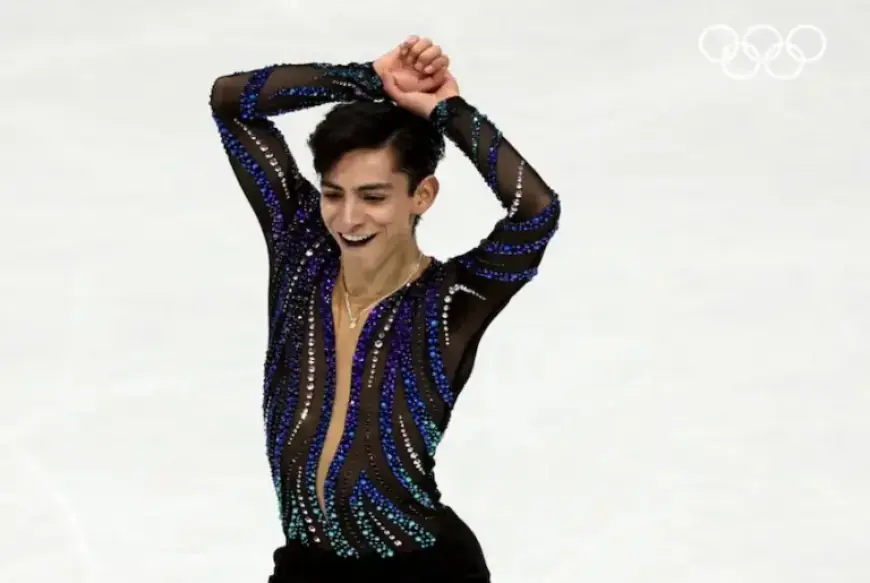
Donovan Carrillo is back in the Olympic men’s free skate. The 26-year-old from Guadalajara clinched a spot in the Milan-Cortina final on Tuesday, Feb. 10 (ET), becoming the first Mexican figure skater to reach two Olympic finals and the only Latin American competitor in the figure skating field this winter.
A clutch short program seals historic repeat
Carrillo posted 75. 56 points in the short program, good for 23rd place out of 39 starters and just inside the top-24 cutoff for Friday’s free skate (Feb. 13, ET). The outing demanded composure: he fought to salvage a triple axel, placing both hands on the ice — an error judged as a fall — then steadied himself to complete the remainder of the program with clean energy and visible relief.
While U. S. frontrunner Ilia Malinin surged to the lead with 108. 16, Carrillo’s priority was survival and a return to the stage he helped redefine in Beijing. As he finished, he turned to the crowd with a beaming shout — a message of pride that doubled as a release after a nerve-testing skate.
From mall rinks to the Olympic stage
Carrillo’s journey remains one of the most unconventional in elite skating. He started at age 8 in Guadalajara, then relocated in his early teens when his rink closed, following coach Gregorio Núñez to León. Training often unfolded inside shopping malls on smaller, darker ice, frequently shared with public sessions and piped-in music not tailored to high-performance routines. The years-long workaround taught adaptability but imposed daily hurdles most Olympic contenders never face.
Those grassroots conditions explain the significance of his breakthrough at the 2022 Winter Games, where he snapped a 30-year drought for Mexican figure skating at the Olympics, reached the free skate, and finished 22nd — the best result by a Latin American male skater at the time. Milan-Cortina extends that arc, proving Beijing was not a one-off and that his technical and competitive baseline can travel.
Funding patchwork and a lifeline to Milan-Cortina
Resources have often been as challenging as the quads. For much of his ascent, Carrillo’s family and supporters covered travel and training through loans, raffles, and community fundraisers, with his coach also chipping in and Carrillo teaching lessons to help pay for ice time. In recent seasons, a Solidarity Olympic Grant helped close critical gaps for training, equipment, and travel. He also received sponsor backing and a monthly stipend from Mexico’s National Sports Commission, support that has fluctuated and been evaluated against world rankings.
The funding mosaic underscores how thin the margins can be outside traditional winter-sport nations. Even so, Carrillo has consistently framed the journey as purpose-driven. He has said that stepping onto the ice remains the moment he feels most fully himself — a mindset that has carried him through uncertain logistics to the sport’s biggest arena, again.
Setbacks, resilience, and a reset
Post-Beijing momentum was tested early. At the 2022 world championships in Montpellier, lost luggage cost him his skates, leaving him to withdraw rather than risk competing in ill-fitting replacements. The episode was deflating and created knock-on consequences for rankings and support assessments. Through 2025, funding remained closely tied to results, heightening pressure to deliver in every outing.
Milan-Cortina’s short program, then, wasn’t just about placing top 24. It was a measure of resolve after years of improvisation and hard lessons. The celebration at center ice captured that context — from mall rinks to Olympic finals, twice.
What to watch in Friday’s free skate
The free skate on Friday, Feb. 13 (ET) offers Carrillo a chance to climb from the lower half of the field. Efficiency will be key: secure air on the opening jumping passes, minimize under-rotations, and keep component scores buoyant through musicality and step-sequence clarity. Given the gap to the medal contenders, success will be defined by clean execution, incremental scoring gains, and perhaps a move into the teens if others slip.
Beyond the standings, Carrillo’s presence itself is impact. As the only Latin American skater in the competition, he carries visibility for a region where year-round ice and funding pipelines are rare. The shout he offered on Tuesday echoed that significance — a signal to fans at home that the dream endured, and an invitation to the next generation to take their first steps onto the ice.
In the hours before the free, he also received a public salute from Mexico’s president, underscoring the national pride attached to his run. However the final placements shake out, Milan-Cortina has already delivered a fresh milestone — and a second Olympic chapter in a story still being written.