



















Boomer Esiason Criticized for Urging Olympians to Respect American Flag

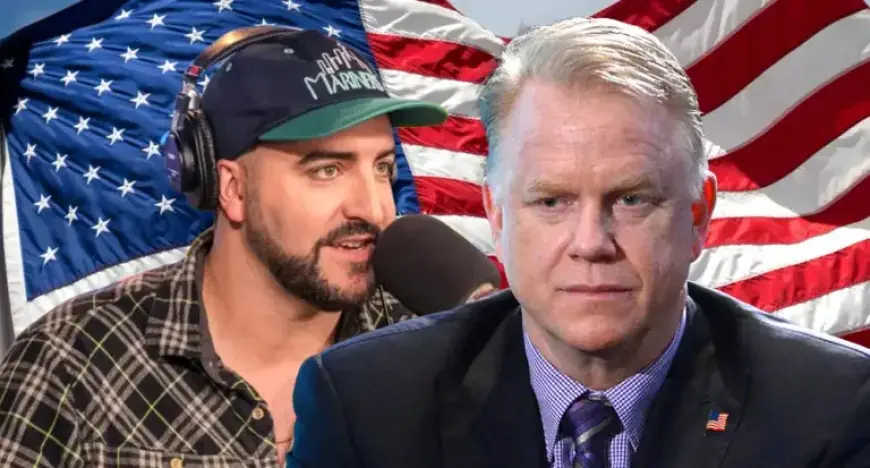
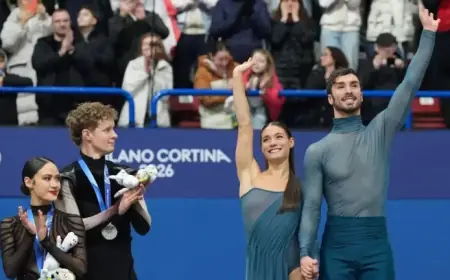
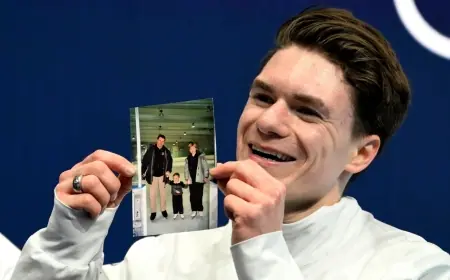
Former NFL quarterback Boomer Esiason has stirred controversy with comments urging Olympic athletes to prioritize their sport and show respect for the American flag. This statement follows Esiason’s recent viewing of Team USA’s triumph in figure skating at the Winter Olympics instead of the lengthy Super Bowl pregame show.
Boomer Esiason’s Olympic Remarks
Esiason, speaking on WFAN, expressed pride in the figure skating team’s representation of the United States. He contrasted their enthusiasm with the sentiments of some other Olympians, stating, “Everybody should just pipe down and just do their sport and play for our country.”
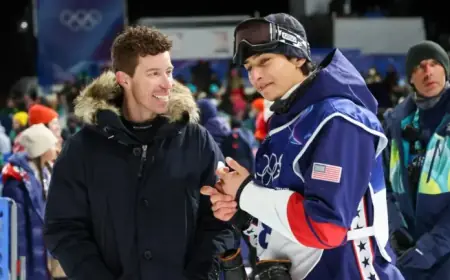
His remarks come in light of freestyle skier Hunter Hess’s admission of having “mixed emotions” about representing the nation. Hess emphasized that wearing the flag does not mean he supports everything happening in the U.S.
Responses to Esiason’s Comments
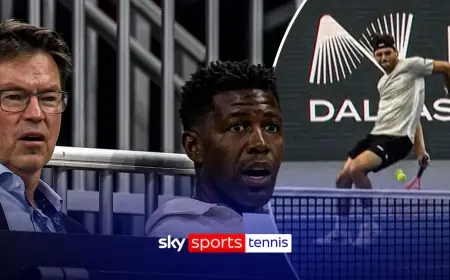
Mike Ryan, a producer for The Dan Le Batard Show, sharply criticized Esiason for his approach, accusing him of hiding behind vague language. Ryan challenged Esiason to be more direct in his expressions, saying, “Quit being a p*ssy, Boomer Esiason. Put your name to it. Say what you f*cking mean!”
- Ryan believes that Esiason’s comments reflect a long-standing conservative viewpoint regarding patriotism.
- He argued that many individuals feel discontent with the current state of America and that athletes should be allowed to express their concerns.
In contrast, former MLB executive David Samson defended Esiason, insisting his message was clear and straightforward. Ryan countered by suggesting that Esiason’s directive to “pipe down” was simply a dismissive jab at those expressing discontent.
Impact of Esiason’s Remarks
Esiason’s comments on respecting the flag amidst athletic competition have reignited a familiar debate about patriotism in sports. Critics of Esiason’s perspective argue that athletes should use their platforms to voice feelings about societal issues, a sentiment shared among many Olympians. This conversation echoes previous instances in sports where athletes have been told to refrain from sharing political opinions.
The reactions highlight a broader cultural clash regarding patriotism and the right to protest. While Esiason advocates for unity through sports, Ryan’s counter-arguments stress the importance of acknowledging diverse American experiences and the athletes’ rights to express dissent.
This exchange reflects ongoing tensions surrounding patriotism, representation, and free speech in America today, especially as athletes prepare to compete on a global stage.