























Jacob Elordi Sparks Debate with ‘Wuthering Heights’ Role as Heathcliff

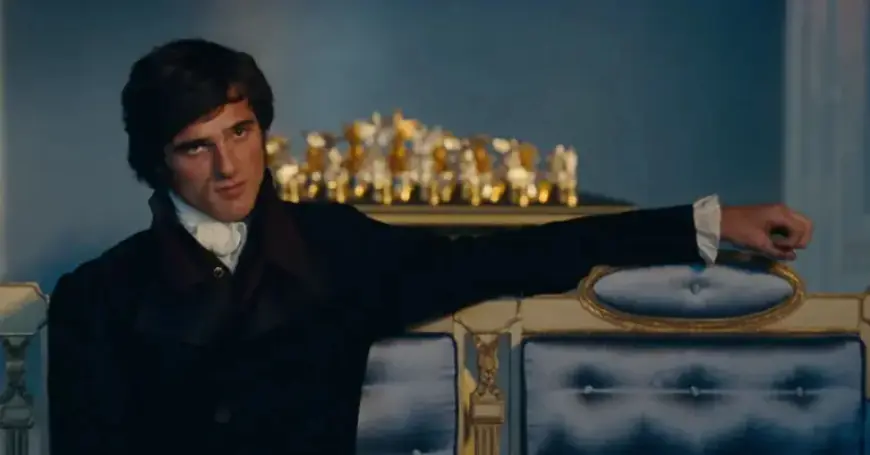
Jacob Elordi’s casting as Heathcliff in the upcoming adaptation of Emily Brontë’s classic novel “Wuthering Heights” has ignited significant debate regarding authenticity in casting. The Australian actor, primarily recognized for his roles in contemporary movies and series, is a white male, a choice that has raised eyebrows among fans and scholars alike.
Controversy Surrounding Heathcliff’s Identity
In “Wuthering Heights,” Heathcliff is described by Brontë as a “dark-skinned gipsy,” prompting discussions about the character’s racial identity. Critics of Elordi’s casting argue that it represents a form of whitewashing. However, scholars assert that the character’s race is subject to interpretation. Many agree that Brontë likely did not envision Heathcliff as a white character.
Literary Interpretation of Heathcliff
- Scholars point to various passages in “Wuthering Heights” that imply Heathcliff’s mixed-race background.
- Terms used to describe him, like “Lascar,” historically refer to South Asian laborers, suggesting a deeper commentary on race and identity.
For instance, the narrative includes dialogues in which Heathcliff wishes for lighter skin. These elements fuel ongoing discussions about his portrayal and the broader implications of race in literature. Susan Newby from the Brontë Parsonage Museum notes Heathcliff’s complex identity. She emphasizes that Brontë deliberately left his origins ambiguous.
Historical Context and Racial Commentary
Emily Brontë’s ties to social issues, particularly the slave trade, also play a crucial role in understanding Heathcliff’s character. The novel references themes of exclusion and prejudice, drawing potential parallels to the experiences of Irish immigrants during the time Brontë wrote the novel.
Adaptations and Historical Portrayals
Heathcliff has often been portrayed by white actors, most notably in adaptations featuring Timothy Dalton and Laurence Olivier. However, Andrea Arnold’s 2012 version was a standout, featuring James Howson, a Black actor, in the role. Arnold argued that the character in the book is not explicitly white, highlighting the need for diverse representations in film.
Emerald Fennell’s New Adaptation
In Emerald Fennell’s interpretation, the focus shifts towards Heathcliff’s turbulent romance with Cathy, portrayed by Margot Robbie. While the adaptation does minimize references to Heathcliff’s race, it maintains a diverse cast, including Hong Chau and Shazad Latif, who add depth to the narrative without overshadowing its core themes.
Future of Casting in Literature
The conversation around Elordi’s casting reflects broader societal issues in the film industry. Fennell has emphasized that adaptations are inherently personalized interpretations of text, which opens the door for varying perspectives. This decision has sparked discussion about the importance of fidelity to the source material while also recognizing the creative liberties directors may take.
Conclusion: An Ongoing Debate
The casting of Jacob Elordi as Heathcliff serves as a reminder of the complexities surrounding race in literature and film. It invites viewers to reconsider preconceived notions of character identities and the historical contexts that shape them. The ongoing discourse illustrates that the essence of Heathcliff and his story transcends color, posing essential questions about identity, heritage, and representation in media.