

























Verstappen Warns of Potential F1 2026 Catastrophe

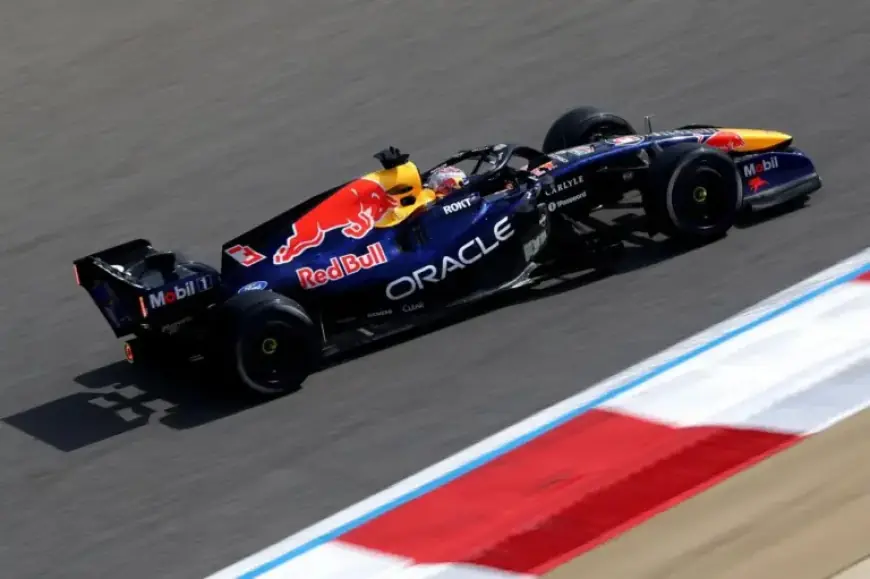
Max Verstappen has raised significant concerns regarding the upcoming Formula 1 regulations set to take effect in 2026. His critiques highlight potential issues that could impact the sport’s future.
Verstappen’s Outspoken Critique
In recent media interactions, Verstappen has voiced strong objections to the current direction of Formula 1’s technical rules. He made unfavourable comparisons to Formula E and even hinted at the possibility of leaving F1 altogether if changes are not made to improve the driving experience.
Verstappen expressed his discomfort with the energy inefficiency of the new cars, specifically mentioning that drivers might need to slow down on long straights to conserve energy.
Concerns Over Track Performance
The driver outlined specific tracks that could prove challenging under the new rules, including:
- Melbourne
- Monza
- Spa
- Las Vegas
He indicated that while the Bahrain circuit is manageable, others may present a “real disaster,” echoing concerns for safety and performance.
Verstappen’s feedback reveals anxiety over the potential need for drivers to abruptly back off on the straights, a scenario that could lead to dangerous closing speeds during races.
Impact of New Energy Management Strategies
The 2026 regulations aim to change how power is harnessed and utilized in F1 vehicles. These modifications have sparked discussions about energy recovery strategies that may limit driving style and performance.
Key aspects of the new rules include:
- Active aerodynamics
- Mandatory ramp-down rates governing electrical power usage
As these strategies evolve, drivers are already experiencing the effects of increased energy management responsibilities. The sport’s stakeholders may need to reconsider how these changes could affect audience engagement and the overall spectacle.
The Future of Formula 1
F1’s decision-makers are already under pressure, especially given recent lucrative broadcasting deals, such as an extensive partnership with Apple. Any significant decline in on-track excitement could risk losing viewership, undermining the sport’s growth momentum.
Verstappen’s concerns serve as a wake-up call for stakeholders. As teams adapt and strategize under the new regulations, developments in energy recovery will play a crucial role in maintaining the thrill of the competition.
In conclusion, Verstappen’s warnings about potential discrepancies in driver performance and safety issues under the new regulations could signify a critical juncture for Formula 1. The coming races will prove pivotal in assessing how these changes impact the sport’s future trajectory.