Gisele Pelicot shares new details in first U.S. TV interview as memoir nears release

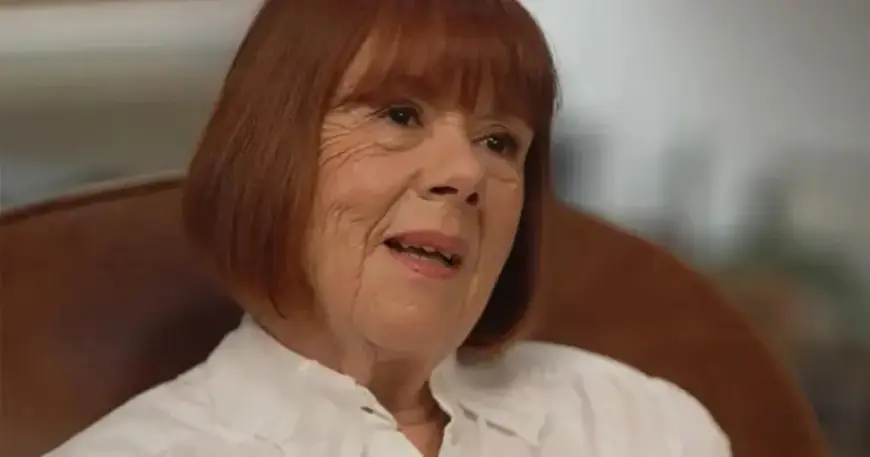
Gisèle Pelicot, whose decision to speak publicly helped ignite a reckoning over sexual violence in France, is stepping into the U.S. spotlight. Her first U.S. broadcast interview airs Sunday, February 15, 2026 (ET), just as her memoir arrives, offering raw detail about the years she was drugged and assaulted and the resolve that carried her through a landmark trial.
A first U.S. interview
Pelicot says she once lived quietly, describing herself as “a very discreet woman.” That changed after she learned the scale of the abuse she endured and chose to waive her anonymity, insisting that her case be tried in open court. She now believes telling her story “could be useful to others,” and she is using her U.S. television appearance to reach people who wonder how a survivor endures. Her message is direct: there is life on the other side of the unthinkable, and shame should “change sides.”
A memoir meant to help others
Her book, “A Hymn to Life: Shame Has to Change Sides,” lands next week, expanding on testimony that transfixed a nation. Pelicot writes to those who have faced silence and disbelief, and to anyone trying to understand how manipulation can mask itself as tenderness. She seeks to demystify the signs she now recognizes in retrospect and to dismantle stigma by making the private public — on her own terms.
The memoir revisits the pivotal moments when she began to question her unexplained illnesses and odd tastes in food and drink. She recalls times when beverages became undrinkable — “as if mint had been put in my glass” — and how her husband would sometimes prepare their potatoes separately. She now believes these were among the subtle clues that something was terribly wrong.
Unthinkable betrayal uncovered
Pelicot writes that her life split in two on the day she learned the truth from a French police officer. She recalls being shown images of a limp, unresponsive woman in lingerie and hearing the words that shattered her reality: the victim in the photos was her. For years, she says, her then-husband drugged her and brought other men into their home, filming assaults while she was unconscious.
“How can you imagine that your husband is drugging you? It’s unthinkable — impossible,” she says. “I was manipulated for about ten years. Because he was looking me in the eyes every day while knowing he was poisoning me. But I never saw that. I saw a kind, caring man.”
Confronting those images, she writes, her brain “stopped working.” She did not recognize the woman in the photographs — her cheek “so flabby,” her mouth “so limp,” a “rag doll” version of herself. That shock hardened into resolve: she would face the men in open court.
A landmark open trial and verdict
Pelicot’s insistence on transparency defined a four-month trial that became a national touchstone. She waived anonymity and pushed for proceedings to be fully public, arguing that secrecy too often shields abuse and isolates survivors. In December 2024, all 51 defendants were convicted. Her ex-husband, Dominique Pelicot, received the maximum sentence of 20 years. Another man was convicted of drugging and raping his own wife, aided by her ex-husband.
The case reverberated far beyond the courtroom, fueling broader debates about consent, drug-facilitated assault, and how institutions respond when victims are unable to speak for themselves. Appeals stemming from the case have already emerged, underscoring its complexity and reach.
The enduring impact — and what comes next
Pelicot frames her public reemergence as a mission rather than a return to the spotlight. She says the memoir is for those who missed the warning signs in their own lives, for families who struggle to believe what they cannot see, and for legal systems that still fight to catch up with the realities of coercion and chemical incapacitation. By choosing an open trial and now a wide audience, she aims to move shame from survivor to perpetrator.
Her televised interview on Sunday, February 15, 2026 (ET), will explore how she rebuilt after the revelations of 2020, what sustained her through months of testimony, and why she believes storytelling is essential to justice. With the book’s release close at hand, Pelicot’s voice is set to grow louder — not in anger, she suggests, but in determination. “A hymn to life,” as she calls it, is less a memoir’s flourish than a strategy: name what happened, hold it up to the light, and refuse to carry its shame any longer.