













Chase Elliott calls his NASCAR pay stance ‘not normal’ as charter era shifts economics

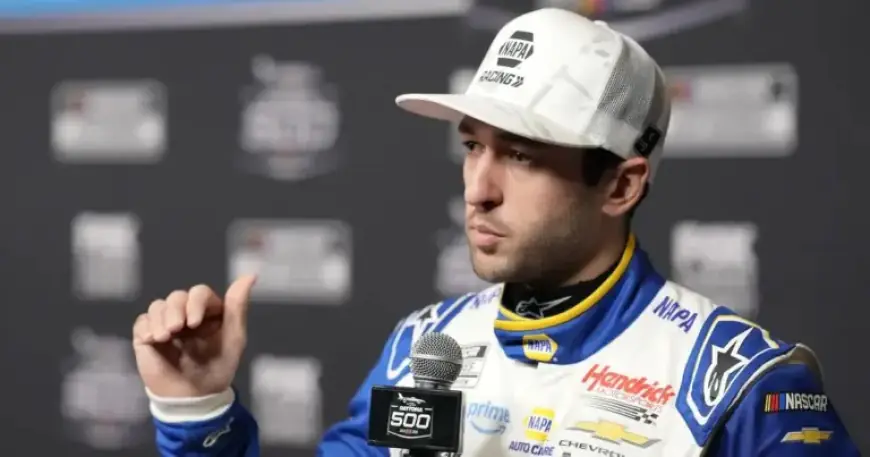
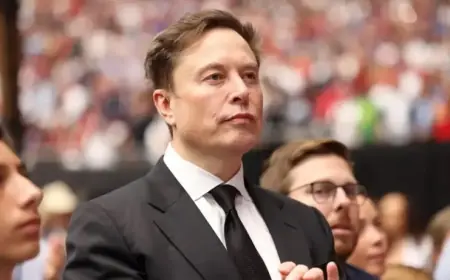
Chase Elliott says he isn’t spending energy on what the new charter landscape might mean for driver salaries, calling his outlook “not normal” but rooted in long-standing trust within his team. The 2020 Cup champion, still seeking his first Daytona 500 win, also reflected on a decade-long ride with crew chief Alan Gustafson as he readies for his 11th start in the Great American Race this weekend.
A pay question Elliott won’t chase
Pressed at Daytona 500 Media Day about when improved team revenues might flow to drivers, Elliott was clear: it isn’t where his mind is right now. He credited the leadership at his organization—especially Rick Hendrick—for keeping compensation concerns off his plate. “If I’m doing the job I expect of myself and he expects of me, then he’ll be fair to me,” Elliott said, adding that he recognizes that kind of confidence in management is “not normal” across the sport.
Elliott emphasized gratitude for the stability he’s had over the last 11 years with the team. He described a workplace culture that “takes care of its people,” and said the trust he places in his boss is the reason he can focus entirely on performance rather than contracts or what’s next in the marketplace.
Charter certainty and the money question
The Cup Series enters 2026 with permanent charters and an expectation that organizations will see stronger, more predictable financial returns. That backdrop naturally raises a follow-up: Will drivers share more directly in that growth? Elliott acknowledged the conversation but stayed out of forecasting. He framed his stance as pragmatic—zeroing in on results now while trusting his team’s leadership to structure a fair system for everyone later.
For a driver with Elliott’s profile, the dynamic is notable. He understands the broader industry implications of the charter agreement but has chosen to push salary talk to the sidelines while the competitive calendar takes center stage.
Gratitude at the core: “He changed my life”
Elliott’s comments turned personal when he spoke about Hendrick’s influence. He said the owner “changed my life,” stressing he doesn’t take his situation for granted. Walking through the shop doors for more than a decade, Elliott said, has meant arriving at the track with a real chance to win, and that starts “at the top” with the way his team is led and how decisions are made.
That foundation, Elliott believes, will guide any future moves on pay and personnel. He expressed full confidence that leadership will “structure things the best way” to take care of the people inside the organization.
Ten years since that first Daytona pole
This Speedweeks also marks a personal milestone: a decade since Elliott won the pole for the 2016 Daytona 500. The moment was dazzling—and daunting. He recalled how overwhelming that stretch felt, especially after a handful of rough Cup starts the year prior. Even a Saturday win in the Xfinity Series didn’t relieve the pressure heading into Sunday; he knew qualifying speed at Daytona doesn’t reflect a driver’s full skill set, and he felt the weight of expectations. The race ended in disappointment after a crash, but it became part of a learning curve that shaped the driver he is now.
With time and perspective, Elliott sees that early turbulence as a necessary jolt. It humbled him, sharpened his focus, and set the stage for the championship run that followed later in his career.
The Gustafson effect and what’s next
Central to Elliott’s climb has been his partnership with Alan Gustafson. The veteran crew chief brought patience and purpose to the No. 9 team, providing space for Elliott to grow while pushing for relentless improvement. Gustafson’s approach—balancing intensity with support—has helped keep the group competitive through the highs and lows of the last decade.
Even as Elliott chases that first Daytona 500 victory, the pairing maintains a steady, process-driven outlook. Elliott, now 30, arrives at Daytona Beach with plenty of runway left in his career and a group he trusts to get the most out of each opportunity. The focus this week is simple: execute, stay up front, and be there when it counts on the final run to the checkered flag.
Still chasing Daytona
Elliott and teammate Kyle Larson both head into the weekend without a Daytona 500 win, an absence that burns a little brighter for two drivers with elite speed and hardware elsewhere. Elliott’s path forward is the same one that’s guided him through salary talk and career milestones alike: lean on the people around him, tune out the noise, and let the results speak. If he can finally convert on Sunday, the “not normal” part of his story might be the calm, steady way he got there.