





















Valentine’s Day rush tests florists as last‑minute orders surge and costs climb

With Feb. 14 (ET) fast approaching, flower shops from the Mid‑Atlantic to California are sprinting through their busiest stretch of the year. The crush of late buyers is colliding with higher wholesale prices and tricky winter deliveries, even as Americans are poised to spend more on the holiday than ever.
Orders spike after the Super Bowl
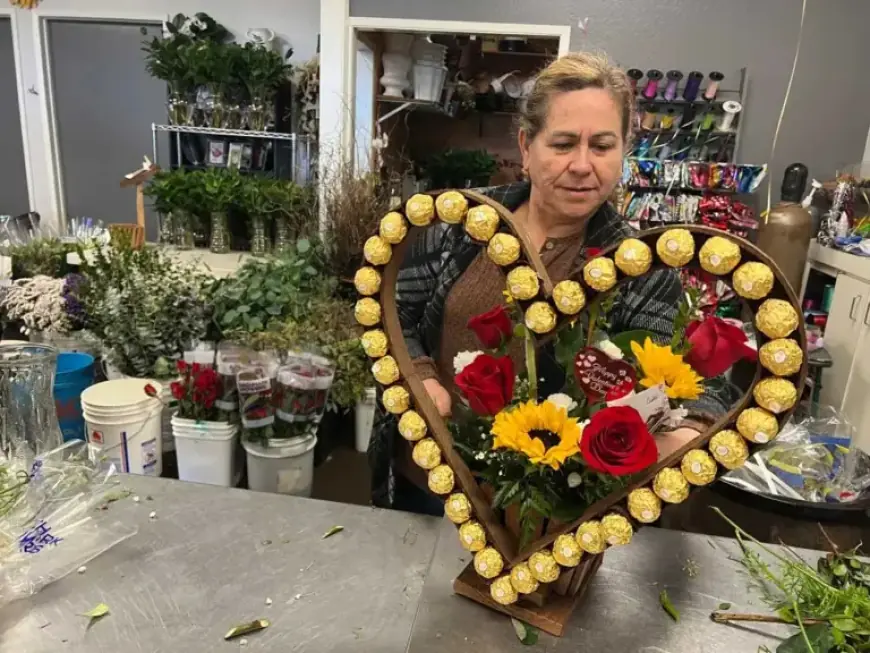
At a boutique shop in Chevy Chase, Maryland, the calendar flips from football to florals in an instant. Owner Christine Topacio said the phones light up right after the Super Bowl, with online orders piling up and walk‑ins swelling through midweek. Even as a smaller operation, her team expects to ship out upward of 600 arrangements leading into the holiday.
The staffing plan is a study in scale and stamina: a core crew augmented by seasonal help, designers moving briskly between worktables, and a back‑of‑house rhythm of trimming stems, hydrating blooms and tagging delivery routes. The workdays stretch long; the coolers cycle constantly; and the floor fills with boxed roses, lilies and greenery waiting for their moment on the bench.
Logistics marathon: drivers, weather and precise timing
The designs are only half the job; getting bouquets to doorsteps on time is the other. Shops are lining up extra drivers and mapping routes to hit office deliveries before close of business and home addresses later in the day. Winter has added friction this season, with ice and snow extending travel times and complicating parking in dense neighborhoods. “Delivering is always a crazy logistics thing,” Topacio said, describing the scramble to ensure every recipient has flowers in hand when it counts.
Valentine’s Day is also a procrastinator’s playground. Staff brace for the predictable midday wave of walk‑ins, many of them clutching a familiar script: a sheepish smile, a quick scan of what’s left in the cooler, and a request to make it sing. The rush is hectic, but the energy is part of the draw for veterans who thrive on the holiday’s organized chaos.
Import costs push prices higher
Behind the scenes, pricing pressure is reshaping this year’s offerings. Florists say the bulk of their premium stems are imported, with roses flowing in from Ecuador and Colombia, and other varieties sourced from Canada and the Netherlands. Tariffs and broader supply‑chain costs have nudged up the landed price on nearly every box.
That reality has forced shops to reassess menus and price points. The goal: hold the line on quality while covering higher invoices, overtime, additional drivers and expanded packaging needs. Some florists are curating tighter collections to ensure availability and streamline fulfillment. Others are steering shoppers toward mixed bouquets, where creative substitutions can keep arrangements lush without leaning solely on high‑demand red roses.
What buyers want now: personality over tradition
While long‑stemmed reds still headline Feb. 14, tastes continue to broaden. Designers are fielding more requests for color stories tailored to a partner’s style—pastel blends, jewel tones, or textures that mix fragrant stock, ranunculus and eucalyptus with classic roses. Customers increasingly ask for arrangements that carry a memory: the color from a first date, the flower from a wedding bouquet, or a palette that matches a favorite room at home.
The holiday also reaches beyond romance. Shops see parents picking up petite posies for kids, friends swapping bright cheer‑up bundles, and plenty of “treat yourself” stems for solo celebrations. The through‑line is connection, with a card message that does the talking—or lets the flowers say what words can’t.
How to make bouquets last longer
Florists are coaching customers on simple steps to stretch vase life past the holiday:
- Change the water frequently, especially when it turns cloudy.
- Give stems a fresh angled cut under water before placing them back in the vase.
- Keep arrangements away from heat sources and direct sunlight.
- Remove spent blooms and foliage below the waterline to slow bacterial growth.
Those small moves, plus the included flower food, can add days of enjoyment to a Valentine’s arrangement.
Record spending meets a wave of late shoppers
Americans are opening their wallets for the holiday. Spending tied to Valentine’s Day is projected to reach a record $29.1 billion, with more than half of consumers planning to celebrate and average outlays near $200 per person. Candy, flowers and greeting cards remain the most common purchases, while jewelry leads total dollars, topping the $7 billion mark.
The numbers underscore why florists embrace the sprint, even with the long hours and higher costs. By nightfall on Feb. 14, coolers will be nearly bare, delivery vans will have logged their miles, and a flurry of last‑minute shoppers will have found something worthy of a ribbon and a note. For the people behind the counter, the payoff is seeing a community’s affection move from bucket to bouquet to doorstep—one arrangement at a time.