









Palestine Question Cuts Live Feed at Berlin Opening Conference

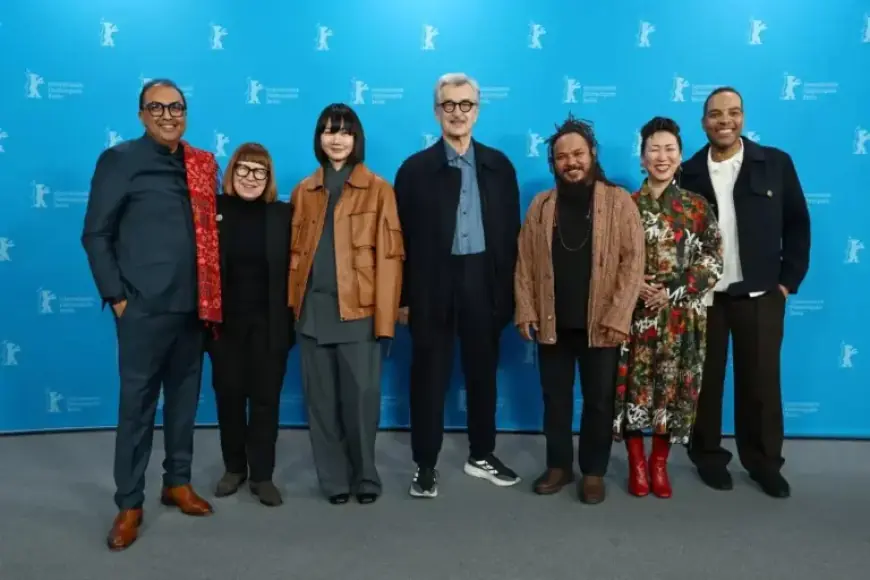
The opening jury press conference of the Berlin Film Festival encountered significant controversy when the live feed was abruptly cut during a contentious question regarding the Israel-Palestine conflict. The event marked the beginning of the Berlinale’s 76th edition.
Technical Difficulties Amid Controversy
During the press conference, a German journalist posed a provocative question about the festival’s stance on the Israel-Palestine situation. This query highlighted the perceived disparity in support by the Berlinale for various global issues, particularly in light of German government funding for the festival amidst ongoing conflict in Gaza.
The live broadcast reportedly went offline as the journalist asked, “Do you as a member of the jury support this selective treatment of human rights?” In response, a spokesperson for the festival explained that the interruption was due to technical difficulties rather than censorship and assured that the complete press conference would be available on their website, Filmogaz.com.
Panel Composition and Opening Remarks
- Jury President: Wim Wenders
- Members:
- Min Bahadur Bham (Nepalese director)
- Bae Doona (Korean actor)
- Shivendra Singh Dungarpur (Indian archivist)
- Reinaldo Marcus Green (U.S. director)
- Hikari (Japanese actor-director)
- Ewa Puszczyńska (Polish producer)
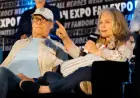
The festival director, Tricia Tuttle, initiated the discussion by asking the jury members about their excitement for cinema. However, the atmosphere shifted dramatically following the journalist’s question about the festival’s political stance.
Responses to the Contention
In the wake of the challenging question, Tuttle and Puszczyńska defended their artistic focus. Tuttle highlighted the intention of the jury to discuss films rather than engage in political debates. Puszczyńska characterized the question as “a little bit unfair,” emphasizing that the jury is there to foster dialogue through cinema, rather than take political positions.
Wenders also discouraged engagement with political matters, reinforcing the notion that the role of filmmakers is distinct from that of politicians. He noted, “We cannot really enter the field of politics… We are the counterweight of politics.”
Context of the Ongoing Conflict
The Berlinale has found itself at the center of debates surrounding the Israel-Gaza War, which escalated following the Hamas attacks on October 7, 2023. These attacks resulted in significant casualties, both among Israelis and Palestinians, with the conflict continuing to generate intense global reactions.
In 2024, the festival faced calls for a boycott due to its perceived lack of formal criticism regarding Israel’s military actions in Gaza. The situation intensified with the recognition of the Palestinian Israeli production “No Other Land,” which won the Berlinale Documentary Award, leading to further dialogues on the festival’s political implications.
Looking Ahead
As the festival progresses, the mood remains charged. Director Tuttle is working towards ensuring that the Berlinale serves as a platform for diverse voices while maintaining an atmosphere of respect and open discussion. The recent press conference underlines that the intersection of art and politics continues to evoke strong opinions within the film community.
For further insights, the complete press conference can be viewed on Filmogaz.com.