

























Apple stock drops nearly 4% as investors rotate out of megacap tech

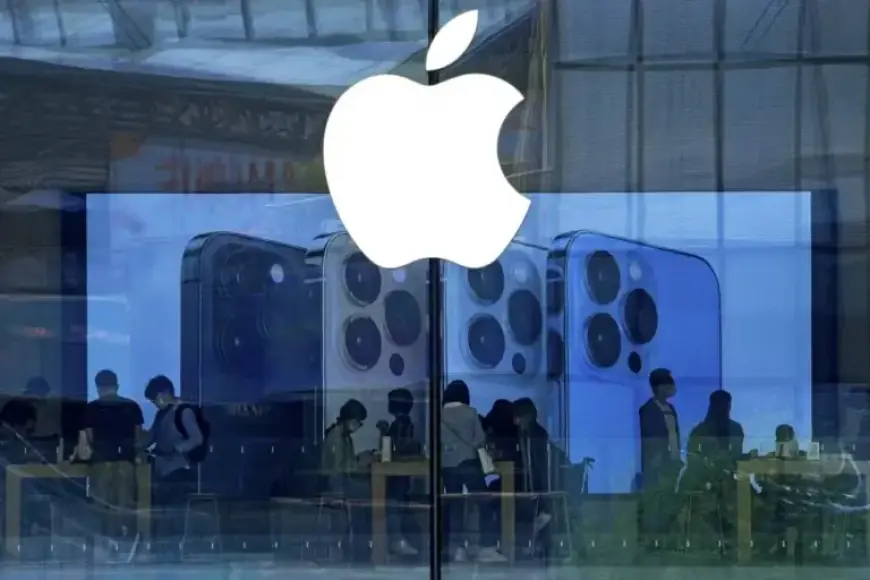
Apple shares fell nearly 4% on Thursday (ET) as investors trimmed positions in the market’s largest technology names and rotated into sectors that have lagged recent rallies. The pullback came without a company-specific shock and instead reflected a broader shift in positioning following a strong multi-year run for megacap leaders.
Rotation, not a readout on iPhone demand
The day’s decline fit a pattern that has been building in recent sessions: money moving away from a handful of trillion-dollar names and toward parts of the S&P 500 seen as under-owned. With industrials, energy and other cyclical groups catching fresh interest, highly owned tech bellwethers can become the easiest place for managers to quickly cut risk—even in the absence of negative headlines.
Apple remains a bellwether for “big tech” exposure, so broad shifts in sector appetite can hit the stock even after solid execution. The company recently topped Wall Street expectations during earnings season, yet sentiment swings tied to market structure and positioning continue to influence near-term trading.
AI trade splinters into enablers and beneficiaries
Investors have been separating the tech complex into “AI enablers” and “AI beneficiaries.” Chipmakers and data-center suppliers have captured intense demand from the ongoing buildout, while platform companies with massive user bases are being evaluated on how quickly AI features can translate into revenue and margin expansion.
Apple is investing heavily in artificial intelligence and integrating capabilities across devices and services, but it does not sell the data-center plumbing that has led recent rallies. That puts the stock in the crosscurrent as markets rebalance between infrastructure winners and longer-cycle beneficiaries.
Valuation fatigue meets rising cost scrutiny
After an extended bull run for big tech, some strategists warn the easy part may be over. Concerns include software spending uncertainty, the capital intensity of AI, and pockets of elevated valuations in hardware. This environment has encouraged a reassessment of concentrated bets in the sector and a tilt toward diversification.
Apple’s near-term narrative is also shaped by the cost side of its AI roadmap. Leadership has reiterated a deep commitment to AI, describing it as a generational opportunity and signaling that capabilities will be embedded throughout the ecosystem. The company recently completed the acquisition of Q.ai, an Israel-based startup focused on technology that interprets facial movements to enhance human–computer interaction—another step in bringing advanced features closer to the device.
While these moves reinforce the long-term product story, they imply higher research, development and infrastructure spending in the near term. Investors are calibrating how quickly such investments convert to monetizable features—and whether margins may face temporary pressure during the buildout.
What the chart is signaling
Technically, Apple’s stock has wrestled with key moving averages since last year’s tech selloff, when it slipped below its 50-day and 100-day trend lines before finding support near the 200-day. A powerful rebound carried shares toward prior highs, but momentum faded as the stock approached resistance in the high-$280s, setting the stage for a pullback.
Thursday’s slide underscores that supply remains active near peak levels, while dip-buyers are watching whether intermediate support zones reassert themselves. A sustained break back above recent resistance would help restore bullish momentum; failure to hold support would leave the stock more vulnerable to continued sector rotation.
The long view and what to watch next
Despite the day’s retreat, the long-term bull case for Apple—anchored by its cash generation, vast installed base, and services expansion—remains intact for many investors. The debate now centers on pacing: how quickly AI-enhanced experiences can deepen engagement and unlock new revenue streams, and how any step-up in spending affects margins along the way.
Near-term catalysts include updates on the AI feature set across iPhone, iPad, Mac, and services; visibility into capital and operating expenditures linked to on-device and cloud-based AI; and any signs of demand elasticity as new capabilities roll out. In markets dominated by factor shifts and positioning swings, even high-quality franchises can trade below fundamentals until expectations and valuations reset.
For now, Thursday’s decline looks more like a positioning reset than a verdict on Apple’s product demand. As the market broadens beyond a concentrated tech cohort, leadership may rotate—but the next leg for Apple will hinge on how convincingly it translates its AI push into user utility, ecosystem stickiness, and durable growth.