
























Cross Season 2 lights a fuse: vigilantes, a ritual killer, and the line between law and justice

The new season of the detective drama returns with a combustible opening and a sharpened moral edge, thrusting Alex Cross into a collision course with a ritualistic serial killer while confronting a brutal sex‑trafficking empire dismantled by vigilantes. The result is a tense, high‑stakes escalation that doubles down on the show’s psychological grit and thorny ethical questions.
A blistering opener that resets the rules
Season 2 wastes no time signaling a darker, more volatile world. A young woman named Luz, played with steely resolve by Jeannine Mason, infiltrates the remote island compound of a wealthy power broker, Richard Helvig. Working with her partner Donnie (Wes Chatham), she forces an abrupt reckoning: victims are extracted, abusers are cornered, bank accounts are drained, and the night ends in flames. It’s a rescue mission and a scorched‑earth warning rolled into one, designed to expose a pipeline of exploitation and to punish the men who profit from it.
The sequence is staged not just as spectacle, but as a thesis statement. These are not cops or courts restoring order. They are civilians forcing outcomes by any means necessary, and their brand of justice comes with a body count. As the smoke clears, the season’s central conflict comes into focus: What happens when righteous fury overtakes due process—and who cleans up the aftermath?
Vigilantism versus justice, the season’s core idea
Showrunner Ben Watkins frames this chapter around a pressing dilemma: the difference between what the law permits and what justice demands. “There’s this question about, what’s the difference between the law and justice? And, what do you do when it doesn’t seem like the law is serving justice?” he said. He adds that the new season is about vigilantism and the moment it slips into vengeance: how far is too far, and what happens when viewers find themselves rooting for someone who ultimately crosses a line.
That moral ambiguity permeates every major beat. The series invites audiences to feel the catharsis of a rescue—and then to sit with the fallout when the methods used to achieve it threaten to create new monsters.
Alex Cross and John Sampson in uncharted moral terrain
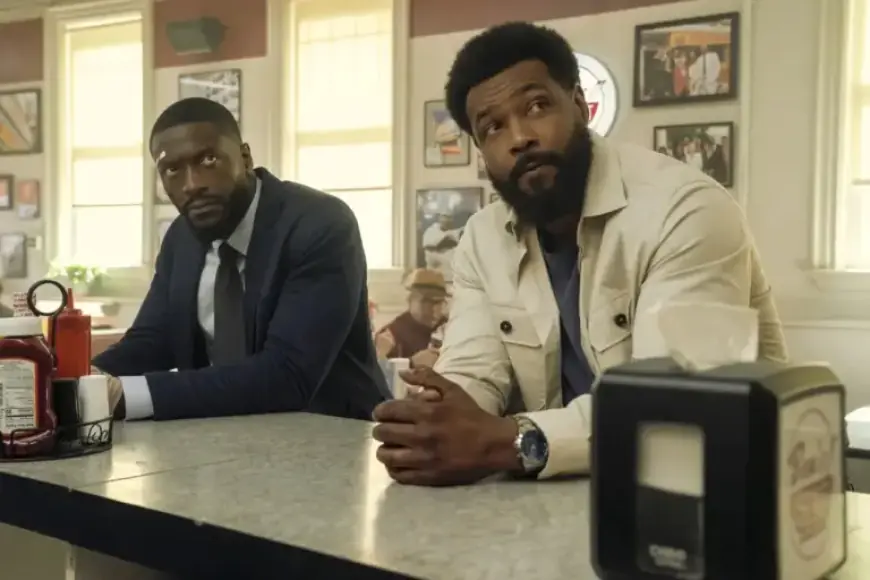
Aldis Hodge returns as Alex Cross, the homicide detective and forensic psychologist whose empathy and precision have anchored the show’s first season. Isaiah Mustafa once again plays his closest confidant and partner, John Sampson. Together, they navigate a case that demands more than profiling a killer or tracking physical evidence; it requires judging the intentions of people who may be stopping predators while becoming dangerously predatory themselves.
The partnership remains the series’ beating heart. Cross’s cerebral restraint and Sampson’s grounded pragmatism collide with an enemy who claims the same moral high ground the detectives believe they occupy. It’s a pressure cooker built to test trust, tactics, and the very purpose of their badges.
A ritualistic serial killer tightens the vise
Even as the vigilante operation explodes into view, the season layers in a second force of chaos: a ritualistic serial killer with an agenda steeped in revenge. This adversary is patient, methodical, and theatrical—leaving patterns that challenge Cross’s instincts as much as his stamina. The interplay between the two storylines turns each development into a double bind: pursue the killer too single‑mindedly and the vigilantes gain ground; clamp down on the vigilantes and the killer exploits the distraction.
The tension is architectural, designed so that victory on one front can feel like failure on another. For Cross, the hunt is as psychological as it is procedural, and the stakes are not only public safety but also the integrity of the system he serves.
From the books to the screen: continuity with sharper edges
Drawn from the bestselling novels by James Patterson, the season continues to remix familiar motifs—revenge, power, trauma—through contemporary lenses. Storylines seeded previously resurface here, tightening connective tissue between past and present cases. Midseason developments begin paying off threads from last year, deepening the show’s serialized backbone without sacrificing the immediacy of its week‑to‑week mysteries.
The creators lean into a bigger canvas, too. The season opens with a three‑episode premiere, allowing the show to establish its dual‑track narrative early and give secondary characters room to breathe. That extended runway helps clarify the stakes, sketch the ethical boundaries being tested, and establish the season’s central thesis before the investigation splinters in unpredictable directions.
Performances that carry the weight
Hodge’s portrayal of Cross remains tightly coiled yet humane, a performance built on small calibrations of empathy and doubt. Mustafa continues to ground the series with a steadying presence, while Mason’s Luz immediately announces herself as a live wire whose motives are as compelling as they are dangerous. Chatham brings a volatile edge to Donnie, and together the pair become an accelerant that forces Cross to rethink what justice looks like when institutions fall short.
By pairing a ritual‑killer puzzle with a combustible vigilante crusade, Season 2 raises the bar on urgency and moral complexity. It asks the perennial question at the center of crime storytelling—what does it mean to do the right thing?—then answers it with consequences that won’t be easily contained.