

























Elizabeth Lemay: Don’t Judge by Appearances

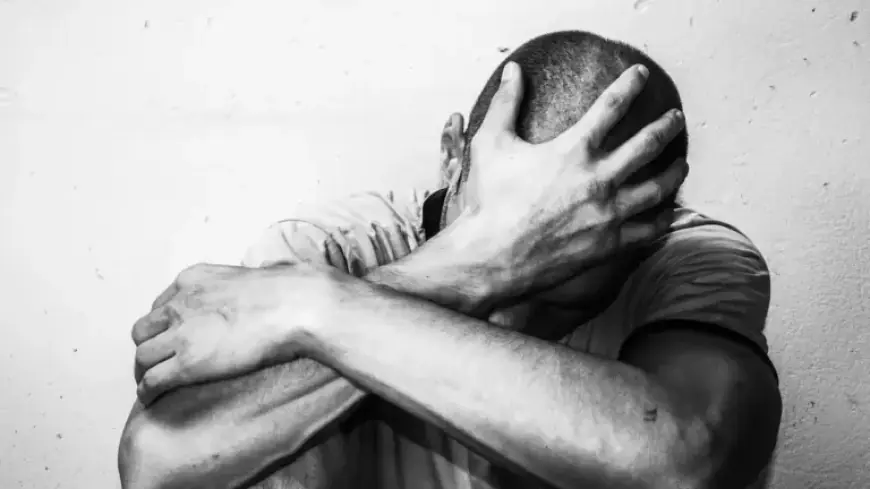
Elizabeth Lemay, a notable feminist voice, recently sparked controversy during a segment on Radio-Canada. She expressed a controversial stance regarding what she called a “crisis of male loneliness,” asserting that it symbolizes women’s empowerment. Her remarks have led to a backlash, with critics labeling her as misanthropic and toxic.
Understanding the Backlash Against Lemay
Lemay’s comments indicate a broader social conversation about gender dynamics. Critics argue that celebrating the struggles of any group, particularly at the expense of another, is morally and socially detrimental. This perspective suggests that rather than uplifting women, such attitudes may engender division.
The Cycle of Hatred
- Hatred often arises from unresolved emotional pain.
- Individuals expressing such feelings may conflate personal grievances with societal issues.
- Misandry, or dislike for men, can emerge as a reactionary stance among those with painful experiences.
Those who identify as masculinists exhibit similar traits. They may portray a façade of strength and dominance, masking insecurities and past traumas. This behavior contributes to a cycle of animosity between genders, leading to polarized communities.
Confronting the Impact of Misandry and Misogyny
Both misandry and misogyny often result in isolation rather than empowerment. Individuals entrenched in these beliefs may forget their inherent human qualities, opting instead for bitterness. Their behaviors might be explained by their personal struggles but are not excused.
The Dangers of Hatred as Doctrine
A doctrine rooted in resentment ultimately isolates its followers. It fosters an environment of hostility where healing and understanding are neglected. As Lemay’s situation exemplifies, such ideologies do not offer liberation but bind individuals in a cycle of suffering.
In conclusion, Elizabeth Lemay’s controversial remarks underscore a critical issue within gender discourse. The conversation surrounding appearances and emotional responses reveals the depth of societal pain and the need for a more compassionate approach. True empowerment lies not in celebrating suffering but in fostering understanding and connection between individuals, regardless of gender.