























Standard Bank Africa Pressed to Respond Swiftly Amid Global Capital Shifts

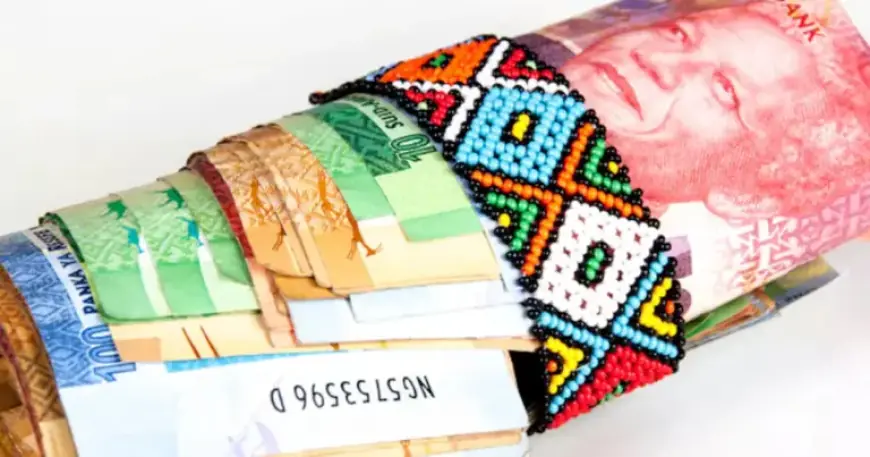
Africa’s position in the global investment arena is under increasing scrutiny as capital flows are rapidly changing. Prominent figures, such as Canadian Prime Minister Mark Carney, emphasize that the global economy has entered a phase of disruption rather than consistent transition. Given this climate, Africa must act proactively to adapt to these shifts.
Shifting Dynamics in Global Capital
For years, investment decisions were closely tied to individual countries. However, there is a growing trend towards assessing opportunities on a continental scale, particularly in Africa. The region finds itself at a crossroads shaped by ongoing global trade tensions, adjustments in supply chains, and a significant demographic surge.
Contrasting Perspectives on Africa’s Investment Potential
While consumer-oriented companies recognize the potential for growth driven by rising populations and increasing demand, financial investors remain more reserved. Those involved in lending to governments or equity markets continue to view Africa primarily as a risk. Their awareness of the continent’s risk profile is improving but does not match the pace of emerging opportunities.
- The mischaracterization of Africa as a single, uniform market hinders investment.
- Every country has unique jurisdictions with distinct regulatory frameworks and growth trajectories.
Challenges in Perception and Investment
Global investors often find it easier to group Africa into one category rather than appreciating its complexities. This oversimplification results in a lack of engagement with the diverse realities across the continent.
Leading Markets Must Take Responsibility
It is crucial for established markets like South Africa, Nigeria, and Kenya to lead the way in changing the prevailing narrative around African investment. Without proactive leadership from these countries, investors may only focus on familiar markets, such as the Johannesburg Stock Exchange, without recognizing the broader potential of the continent.
The Interconnectedness of African Markets
No single market can flourish in isolation. Strong regional connections are vital for attracting capital and enhancing market resilience. South Africa’s existing relationships with other African markets could improve significantly if treated as collaborative partners rather than competitors.
Urgency for Growth Amidst Global Changes
The evolving global landscape exacerbates the need for action. Climate policies and trade disputes could marginalize Africa in global discussions, placing it in a position where it is observed rather than actively participating. Despite this threat, the structural growth narrative for Africa remains strong.
Investment Opportunities and Future Directions
Significant improvements in banking infrastructure and governance have bolstered the economic environment. Investments in telecommunications and logistics, especially, are showcasing long-term value. African asset managers face essential responsibilities beyond just generating returns.
- Managing savings effectively builds public confidence.
- Mobilizing local capital contributes to employment growth.
- Developing liquid capital markets can attract sustained investment.
Proposed Steps for Progress
Africa can enhance its global standing by implementing key reforms:
- Conduct financial reforms to improve oversight and efficiency.
- Establish pension reforms to nurture long-term savings.
- Invest in financial literacy programs for citizens.
Diversification is critical. Investors should balance local exposure with offshore opportunities to mitigate risks associated with investing solely in one country.
Conclusion: A Cautious Optimism for Africa
While uncertainties persist, there is cautious optimism regarding Africa’s future as a target for investment. Periods of disruption often unveil new opportunities. As traditional investment channels come under scrutiny, Africa may finally seize the chance to present its case. The key challenge remains whether the continent can act decisively in this moment of potential.