






















Frankie Muniz’s NASCAR push shares the spotlight as Daytona honors Dale Earnhardt, 25 years on

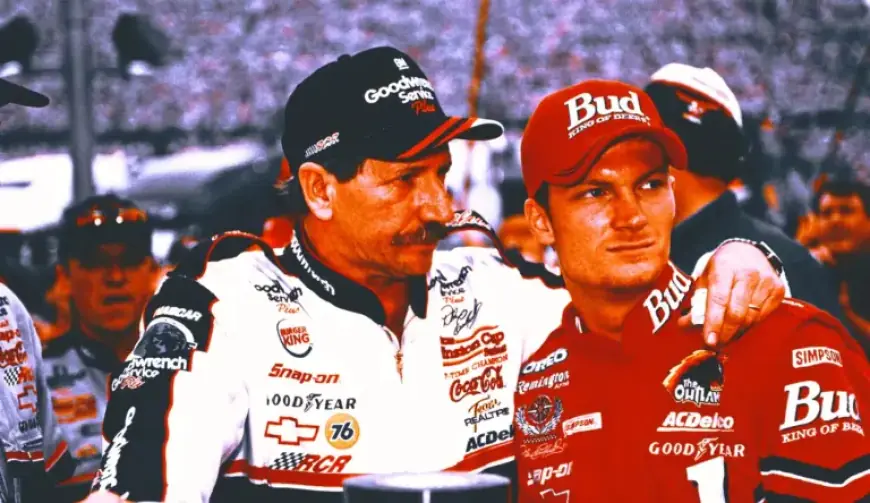
Daytona Speedweeks is unfolding under the dual glare of the sport’s future and its defining past. Actor-turned-racer Frankie Muniz, one of the most visible crossover figures pursuing a stock-car career, returns to the conversation as NASCAR marks 25 years since the death of Dale Earnhardt. A new feature-length documentary, We’ve Lost Dale Earnhardt: 25 Years Later, airs Thursday at 10 p.m. ET, following the qualifying duels and setting an emotional tone ahead of Sunday’s Daytona 500 at 2:30 p.m. ET.
A somber milestone at Daytona
The anniversary lands at the heart of Speedweeks and invites a wide look at where the sport has been—and where it is going. The new film revisits the final-lap crash that took Earnhardt’s life in February 2001 and traces how the moment reshaped NASCAR. It also spotlights the community response that followed, the organizational soul-searching, and the engineering overhaul that ensued.
The timing is deliberate. With the season’s biggest stage built out on the high banks, Daytona becomes both memorial and launchpad: a chance to remember, and a chance to measure how much of that legacy reverberates in every decision made today.
Harvick: The sport still “missing a big piece”
Few contemporaries can speak to the immediate fallout more directly than Kevin Harvick, who stepped into Richard Childress Racing’s Cup car the week after the crash. Reflecting on that whirlwind, he described the atmosphere at the time as the most crowded, pressurized moment of his career—“the most people, the most pressure, the most everything.”
His larger point lands heavier a quarter-century later: even as the sport has adapted, he said, it continues to feel like it’s “missing a big piece” without Earnhardt. That sentiment has persisted across driver generations, crew rooms, and grandstands—a measure of how thoroughly Earnhardt shaped NASCAR’s image, competitive edge, and leadership culture.
Safety legacy that shapes today’s grid
Change came fast after 2001. The post-crash era accelerated improvements that are now standard: deeper study of every incident, continuous refinement of cars and driver gear, soft-wall technologies, track procedures, and a mindset that treats safety as a living system rather than a checklist. The documentary underscores how that cascade of changes still guides the sport’s approach.
That framework matters to everyone who straps in at Daytona this week, from veterans to relative newcomers. It is the unseen scaffolding of Speedweeks—arguably Earnhardt’s most enduring legacy—felt in restraint systems, cockpit design, energy absorption, and data-led scrutiny that begins the moment a car returns to the garage.
Why the crossover crowd, including Frankie Muniz, matters
Alongside the remembrance is a present-tense storyline: the steady pull of NASCAR on athletes and entertainers who see stock-car racing as more than a curiosity. Muniz has pursued that path in recent seasons, trading red carpets for driver intros and sharpening his craft on the ladder. His journey amplifies a familiar theme at Daytona—this is a place where resumes from elsewhere can be rewritten at 190 mph, provided the work and the risk tolerance are real.
That crossover attention can be a gateway for new fans who arrive curious and stay for the competition. It also places a spotlight on the ecosystem that supports a transition from development tours to national series. The safety-first culture born from the early-2000s reckoning is a key part of that infrastructure, giving drivers—established or emerging—a clearer envelope in which to push.
What to watch as Speedweeks builds
Thursday evening brings the qualifying duels and, at 10 p.m. ET, the premiere of We’ve Lost Dale Earnhardt: 25 Years Later. The film is positioned as both a tribute and a technical ledger of what changed, and why. Expect firsthand accounts from figures who shouldered the pressure of that week in 2001 and the years of re-engineering that followed.
Sunday’s main event, the Daytona 500 at 2:30 p.m. ET, caps a week that blends remembrance with renewal. For drivers chasing momentum to start the year—and for names like Muniz who continue to symbolize NASCAR’s widening tent—the stage is as bright and unforgiving as ever. The blend of heritage, hardware, and human stakes is precisely what makes Daytona Speedweeks feel bigger than a single race weekend. Twenty-five years on, it’s also a reminder of the cost that forged today’s standard and the responsibility to keep pushing it forward.