

























BNP Leads Jamaat as Bangladesh Election Results Emerge: 10 Insights

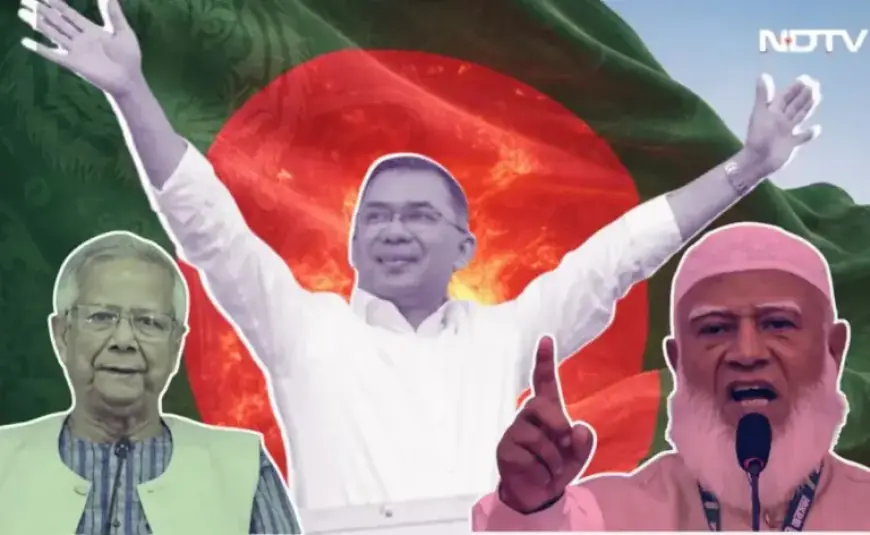
The recent elections in Bangladesh have captured the attention of both national and international observers. With the participation of various political factions, this electoral process has provided critical insights into the future of the country.
BNP and Jamaat Leading in Bangladesh Election Results
Following largely peaceful voting, the attention now turns to the outcome of the elections. The primary contest is between the Bangladesh Nationalist Party (BNP), led by Tarique Rahman, and the Jamaat-e-Islami coalition, spearheaded by Shafiqur Rahman. Voters participated in the election for 299 parliamentary seats in the Jatiya Sangsad, where a simple majority of 150 seats is required.
Key Election Details
- Voting took place for 299 Jatiya Sangsad seats.
- Voting in the Sherpur-3 constituency was cancelled due to a candidate’s death.
- Another 50 seats are reserved for women, based on the representation from the general seats.
Significant Political Changes
This election marks a historic moment as it is the first without two influential former prime ministers: Sheikh Hasina and Khaleda Zia. Sheikh Hasina, the Leader of the Awami League, has remained in India since her removal following a mass uprising in August 2024. Khaleda Zia passed away in December 2022.
After nearly 17 years in exile, Tarique Rahman has returned and positioned himself as a leading contender for the prime ministerial role. The Awami League was unable to participate due to the suspension of its registration.
The Jamaat-E-Islami and Its Supporters
Competing against the BNP is a coalition led by Jamaat-e-Islami, which previously partnered with the BNP. This alliance includes the National Citizen Party, a newly formed youthful group arising from anti-Hasina protests.
By the morning after the elections, projections indicated the BNP was in the lead with around 127 seats, while the Jamaat coalition secured 34 seats. Multiple sources reported that the BNP was leading in over 120 constituencies.
Noteworthy Individual Candidates
One of the prominent figures emerging from this election is Gayeshwar Chandra Roy from the BNP. He is anticipated to be the first Hindu MP from Dhaka since the nation gained independence in 1971, likely winning the Dhaka 3 constituency by a substantial margin.
Referendum on the July National Charter
Alongside the elections, voters also participated in a referendum on the July National Charter, which proposes significant reforms. Key elements include:
- Limiting prime ministers to two terms (10 years total).
- Establishing an upper house in parliament.
- Reinstating the caretaker government system, to ensure free and fair elections.
Nobel Laureate Muhammad Yunus expressed optimism regarding the election, dubbing it “the birthday of a new Bangladesh.” He emphasized the importance of both voting and the referendum.
Opposition Response and International Implications
Sheikh Hasina criticized the elections as deceptive, calling for their cancellation due to low turnout and empty polling stations. She demanded the resignation of Yunus.
India is closely monitoring the elections due to their potential effects on bilateral relations, especially considering Bangladesh’s perceived alignment with Pakistan and China since Hasina’s ousting. Indian officials have called for patience while they await final election outcomes to assess the new political landscape.