























Trump and EPA’s Zeldin Overturn Pivotal Climate Change Regulation

The Trump administration made significant changes to U.S. climate policy by overturning a key regulation aimed at controlling greenhouse gas emissions. This decision has sparked immediate backlash, particularly from California, which plans to file a lawsuit to contest the action.
Overturn of Endangerment Finding
On a recent Thursday, the administration repealed the 2009 endangerment finding, a crucial determination stating that pollutants like carbon dioxide endanger public health and welfare. This finding had underpinned federal regulations addressing climate change.
Key Statements and Impacts
- Lee Zeldin, the administrator of the Environmental Protection Agency (EPA), characterized the repeal as the largest act of deregulation in U.S. history.
- The administration claims the repeal will lower vehicle costs and save Americans over $1.3 trillion, though experts question this figure.
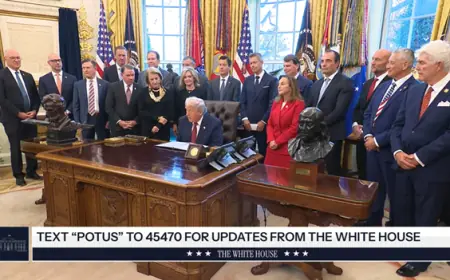
- President Trump referred to the repeal as a substantial victory for environmental policy rollback.
The action also rescinded federal emissions regulations for vehicles manufactured between 2012 and 2027, drawing criticism from environmentalists and public health advocates.
Responses from Experts and Public Figures
Numerous experts condemned the rollback. The Environmental Protection Network, a bipartisan group of former EPA officials, described the decision as “unprecedented and dangerous.” Joseph Goffman, a former assistant at the EPA, criticized it as a betrayal of the agency’s mission to safeguard public health.
- Leah Stokes from UC Santa Barbara noted that California is acutely affected by climate change and pollution, emphasizing the importance of the endangerment finding.
- California Governor Gavin Newsom labeled the repeal a betrayal of the American people and warned of increased dangers from climate-related disasters.
Legal and Scientific Background
The endangerment finding allowed regulation of six greenhouse gases under the Clean Air Act. Chris Field from Stanford pointed out that the scientific basis for the finding has only strengthened over time.
The EPA’s rationale hinges on the legal interpretation of greenhouse gases as air pollutants. However, a 2007 Supreme Court ruling confirmed their status as such, which the EPA’s current administration disputes.
Court Challenges and Future Implications
In light of the decision, various groups, including cities and environmental organizations, are preparing to challenge the repeal in court. Experts warn that this rollback could compromise air quality, increase health care costs, and hinder the development of clean energy technologies.
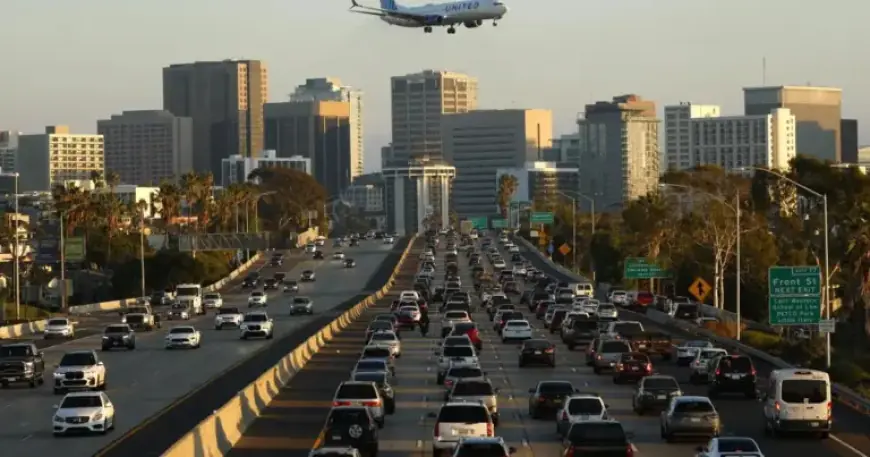
- The transportation sector is cited as the largest source of emissions in the U.S.
- Experts believe that imminent consequences will notably impact vulnerable communities disproportionately.
As this legal battle unfolds, the implications of the repeal could reshape U.S. climate policy and the country’s leadership in global environmental initiatives.