






















Trinidad Chambliss Secures Additional Year of College Eligibility

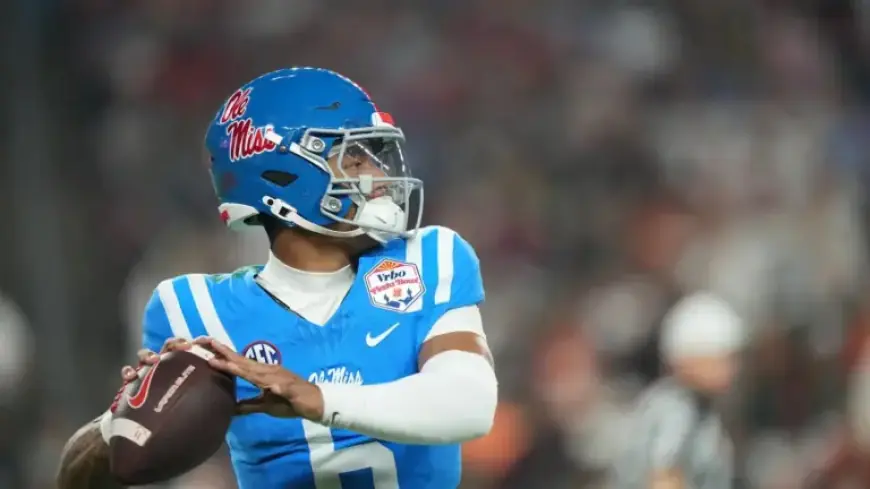
Trinidad Chambliss, the Ole Miss quarterback, has successfully obtained an additional year of college eligibility. A preliminary injunction was granted by a Mississippi judge, which blocks the NCAA’s previous decision to deny Chambliss a medical redshirt. This ruling stems from a respiratory issue that prevented him from participating in the 2022 season while he was at Ferris State.
Background of the Case
Chambliss did not play or dress for any games during the 2022 season. The judge’s ruling highlighted that the NCAA acted in bad faith regarding Chambliss’s situation. The location of the lawsuit in Mississippi has been beneficial for Chambliss, as it allows for a more favorable judicial environment.
Implications of the Ruling
This preliminary injunction means that unless the NCAA successfully appeals to a higher Mississippi court, Chambliss will be eligible to compete until the end of the 2026 season. The NCAA has responded to the ruling with defiance, warning that differing court decisions jeopardize its eligibility rules.
NCAA’s Position
In a statement, the NCAA expressed concerns that various state laws and inconsistent court outcomes undermine their regulatory capacity. They emphasized the need for Congress to establish federal standards for college sports.
Future Considerations for College Sports
The ongoing conflict reflects broader tensions within college athletics, where eligibility and compensation for student-athletes are prominent issues. As Chambliss moves forward with his eligibility secured, the focus shifts to the implications this case holds for other student-athletes facing similar challenges.
- Trinidad Chambliss: Ole Miss quarterback
- Judicial ruling: Granted medical redshirt
- Mississippi court: Local jurisdiction advantage
- NCAA response: Concern over varying court decisions
As the landscape of college sports continues to evolve, decisions like that of Chambliss will likely impact future policy changes. The NCAA’s current strategy, emphasizing federal oversight, has yet to gain traction. Meanwhile, student-athletes like Chambliss hold the potential to reshape conversations around eligibility and fairness in college athletics.