
























Court Halts Pentagon’s Action Against Mark Kelly Over Controversial Orders Video

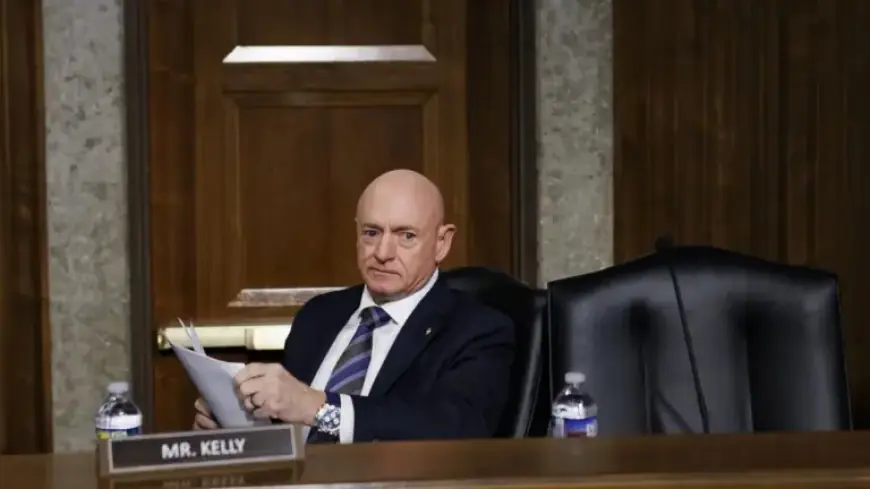
A federal judge has granted a preliminary injunction protecting Senator Mark Kelly over concerns about free speech and retaliation. This legal action follows a suit against Defense Secretary Pete Hegseth regarding Kelly’s participation in a controversial video.
Court Ruling on Mark Kelly’s Free Speech Case
Senator Mark Kelly, a Democrat from Arizona and former Navy Captain, initiated a lawsuit against Hegseth in January. The action came after Hegseth sought to censure Kelly for appearing in a video where he and several Democratic lawmakers discussed service members’ rights to refuse illegal orders.
Details of the Case
- Key Events: Kelly’s lawsuit emerged a week after Hegseth’s move to discipline him.
- Judge’s Decision: Judge Richard Leon ruled that the Pentagon’s impending action against Kelly infringed upon his First Amendment rights.
- Significant Quote: “This Court has all it needs to conclude that Defendants have trampled on Senator Kelly’s First Amendment freedoms,” said Leon.
The video released in November aimed to highlight concerns regarding U.S. military actions in the Caribbean. Senators in the video stated, “You can refuse illegal orders,” a stance Hegseth called “seditious.”
Implications of the Ruling
Kelly argued that the government cannot retaliate against political speech. His lawyers emphasized that punishing lawmakers for expressing opinions on public policy is unconstitutional.
In a statement, Kelly reflected on the broader implications of the ruling, stating that it sends a message of protection to retired veterans. He added, “This administration was sending a message to millions of retired veterans that they too can be censured or demoted just for speaking out.”
Government Response and Background
Following the ruling, Pentagon officials did not provide immediate comments. The controversy intensified when former President Trump labeled the statements in the video as “seditious behavior” and suggested legal action against the lawmakers.
Despite attempts by federal prosecutors to move forward with charges, a grand jury ultimately declined to indict the participating lawmakers. Details regarding any potential charges have not been disclosed.
This case raises critical questions about military freedom of speech and the repercussions of expressing dissent within the ranks. The decision from the court serves as an important reminder of the protections afforded under the First Amendment.