

























Who Bears the Cost of 2025 U.S. Tariffs?

The year 2025 saw a significant rise in U.S. import tariffs, soaring from an average of 2.6 percent to 13 percent. This shift raised questions about the economic impact of these tariffs, especially regarding who ultimately bears the costs. New analysis indicates that around 90 percent of the tariff burden was absorbed by U.S. firms and consumers.
Overview of 2025 Tariff Increases
The average tariff rate on imports began low in January 2025 but experienced dramatic fluctuations. In April and May, tariffs on goods from China surged by 125 percentage points before being reduced by 115 percentage points later in May. By December 2025, the average rate had stabilized at 13 percent.
Monthly Tariff Trends
- January: 2.6% average tariff rate.
- April-May: Tariffs on Chinese goods peaked.
- End of 2025: Average tariff rate reached 13%.
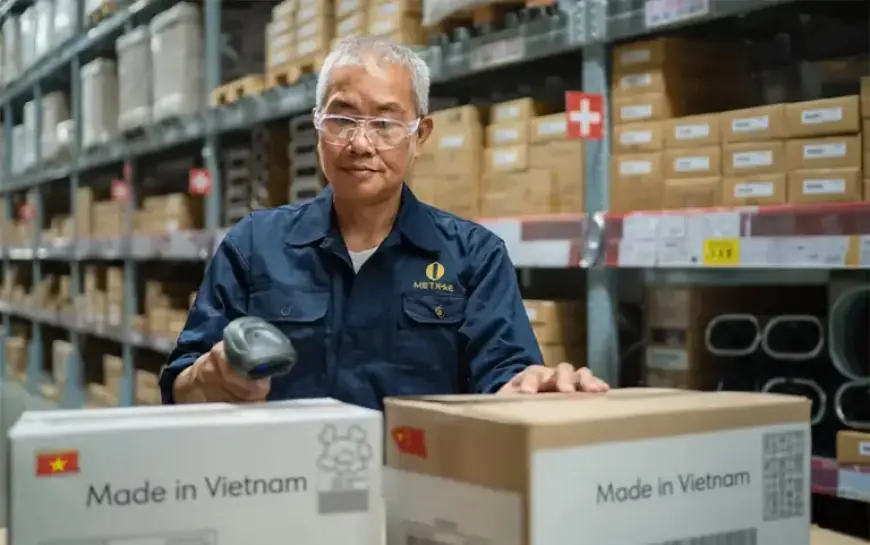
The rise in tariffs had notable effects on the import landscape. Initially, Chinese goods constituted a significant share of U.S. imports. However, by November 2025, China’s market share had drastically declined to below 10 percent, losing ground primarily to Mexico and Vietnam.
Impact of Tariffs on Import Prices
The concept of tariff incidence refers to how the cost burden is distributed between foreign exporters and domestic importers. While U.S. importers directly pay the duties, foreign suppliers may adjust their prices in response to tariffs, affecting overall market dynamics.
Key Findings on Tariff Incidence
- Tariff Incidence (First Eight Months): U.S. importers bore 94% of the burden.
- Tariff Pass-Through: Declined towards the end of 2025.
- November Analysis: A 10% tariff resulted in a 1.4% decrease in foreign export prices.
Throughout the year, the pass-through effect—whereby tariffs raise import prices—remained high. By November, researchers reported that 86 percent of the economic burden from tariffs fell on U.S. consumers and businesses. These higher import costs forced many firms to reevaluate and reorganize their supply chains.
Economic Implications
The findings indicate that as tariffs increased, the full burden continued to be felt predominantly by U.S. entities. By December 2025, with tariffs averaging 13 percent, the resulting price hike on imported goods was significant, contributing to a reorganization of global supply chains.
Overall, the 2025 tariffs placed a heavier financial load on U.S. businesses and consumers, raising critical questions about trade policy and its repercussions on domestic markets. The analysis reflects ongoing patterns as companies adapt to economic changes driven by tariff adjustments.