























Bud Cort cause of death: Actor dies at 77 from pneumonia complications

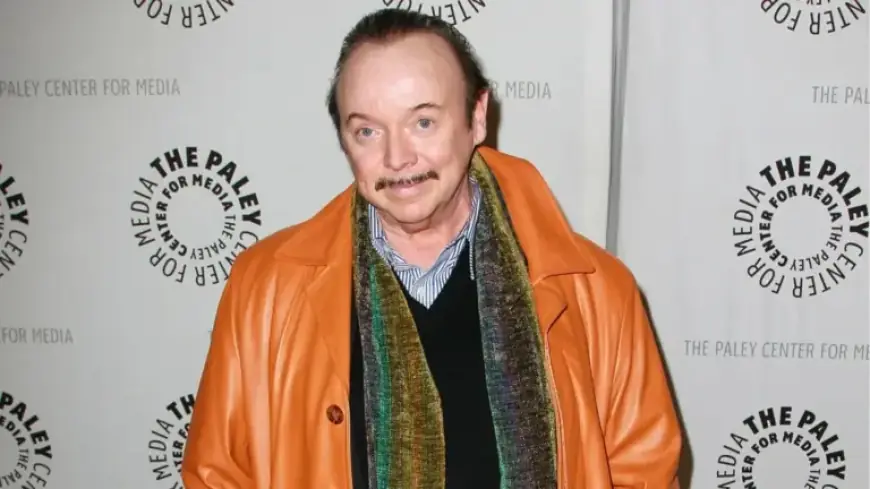
Bud Cort, the actor whose offbeat, emotionally precise performances helped define a particular strain of American screen comedy in the 1970s and beyond, has died. He was 77. Cort died Wednesday, February 11, 2026, in Norwalk, Connecticut, from complications due to pneumonia, his family said.
Best known for playing the death-obsessed young man at the center of the cult classic Harold and Maude, Cort spent decades moving between film, television, theater, and voice acting, often bringing a sly vulnerability to characters who could have been written as pure caricature.
Cause of death and immediate details
Cort died at an assisted-living facility in Norwalk. The cause was complications from pneumonia, a diagnosis that can become especially dangerous for older adults because it can rapidly affect breathing, stamina, and overall organ function.
No additional medical details were released. A memorial service is expected to be held in Los Angeles, with plans to be announced.
A career defined by one iconic role
Cort became an enduring screen presence after portraying Harold Chasen in 1971’s Harold and Maude, a dark romantic comedy that grew from modest early reception into a long-running cultural touchstone. His Harold is at once funny, unsettling, and strangely tender—a young man flirting with death until an unexpected bond pulls him back toward life.
The role brought major award nominations and instant recognizability, but it also followed him for years. Cort was candid over time about how the part’s intensity and specificity could lead to typecasting, even as the film’s popularity expanded.
From Altman films to later cult favorites
Before Harold and Maude, Cort appeared in prominent early films including MASH* and Brewster McCloud, quickly establishing a signature style: slightly awkward physicality, bright-eyed intelligence, and a willingness to play characters on the edge of conventional likability.
His later screen work ranged widely, including roles in Heat, Dogma, Coyote Ugly, Pollock, and The Life Aquatic with Steve Zissou. On television, he turned up in guest roles across multiple eras, often as the kind of unexpected casting choice that instantly gave an episode a distinct tone.
Cort also became a recognizable voice actor, notably within major animated franchises, where his sound—part gentle, part mischievous—fit naturally into heightened, stylized storytelling.
The accident that nearly ended it
Cort’s career trajectory was also shaped by a serious car accident that caused major injuries and threatened his ability to work. He recovered and returned to performing, but the episode became a dividing line in his public biography: the promising young actor whose ascent was interrupted, then rebuilt through persistence and eclectic choices.
For many fans, that resilience is part of why his later appearances carried extra weight. Even small roles could feel like events—an actor with a distinctive rhythm stepping briefly into a scene and tilting it in a new direction.
What colleagues and fans are remembering
In the hours after news of his death spread on Wednesday, tributes focused less on a single performance and more on the feeling Cort left behind: a rare mix of innocence and bite, sincerity and satire.
Three themes have dominated the remembrances:
-
Fearless oddness: he leaned into eccentric roles without turning them into jokes.
-
Emotional honesty: even when the character was comic, the feelings landed as real.
-
Range across mediums: film, TV, stage, and voice work all benefited from his specific sensibility.
Legacy beyond the headline
For all the attention that Harold and Maude receives, Cort’s larger legacy is the kind of career that becomes clearer in retrospect: a long run of interesting choices rather than a tidy list of “leading man” milestones. He was an actor who could carry a film, then reappear years later in a supporting part and still feel singular.
Cort is survived by his siblings and extended family. His death closes the story of a performer who made strangeness human—and whose most famous role continues to introduce new viewers to a complicated, unforgettable kind of screen grace.