























Colorado’s Snowpack Crisis: Understanding Its Impact

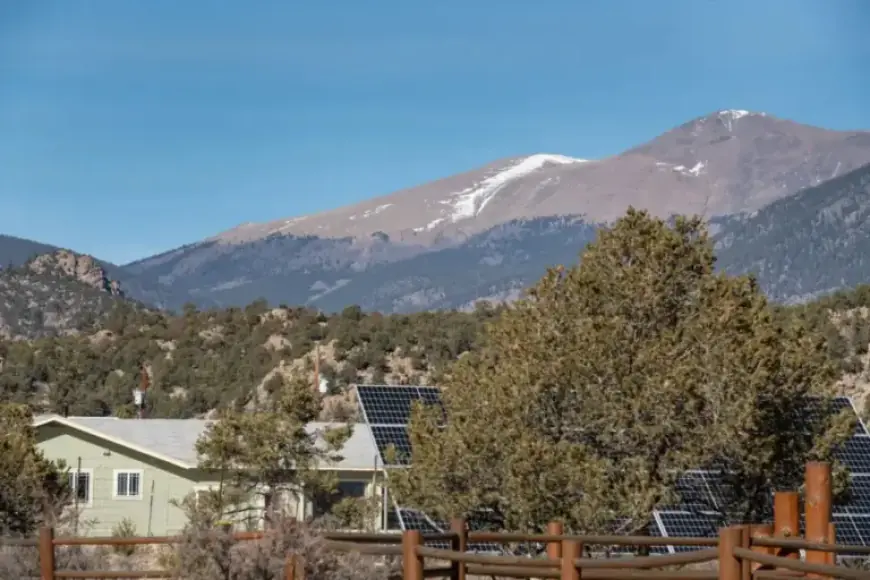
Colorado is facing a significant snowpack crisis, with its winter snow levels plummeting to record lows. The state is experiencing one of its driest winters since 1987, raising concerns among water managers, farmers, and climate scientists about its long-term implications.
Current Status of Colorado’s Snowpack
This year, Colorado’s snowpack has been alarmingly low due to unseasonably warm temperatures and a lack of substantial snowfall. As of this winter, the snowpack measured just 55% to 42% of normal levels in various basins critical for Denver Water, which supplies water to over 1.5 million people.
- Record-low snowpack levels reported this season
- Current temperatures are among the warmest recorded in over 130 years
- Over 60% of Colorado’s snow season has passed without significant accumulation
Effects on Local Economy and Agriculture
The ongoing snowpack crisis is impacting ski resorts and agricultural sectors across the state. Vail Resorts reported a 20% decrease in visitor numbers, attributing the decline to one of the worst early-season snowfall totals in over three decades. Meanwhile, local farmers are adjusting their crop plans in response to this year’s drier conditions.
Ski Resorts Struggling
With lower visitation, resorts are reducing operating hours and limiting available terrain. Many resorts across the state are facing drastic declines in customer numbers, leading to operational cutbacks.
Agricultural Concerns
Farmers are feeling the pressure as snowpack levels dictate their planting choices. Snowpack influences runoff into the Arkansas River, a lifeline for many farms in the Lower Arkansas Valley. Negative forecasts suggest that planting plans may need to shift significantly.
Impact on Ecosystems
The thin snowpack is also affecting wildlife and ecosystems. Animals like pikas and other mountain critters depend on snow for insulation during harsh winter months. Unusual weather patterns may force these creatures to expend more energy, impacting their survival rates.
Increased Fire Risk
This year’s drought conditions raise alarms for fire management officials. Colorado’s lack of snow could lead to an early start to the fire season, reminiscent of catastrophic fire years in 2000, 2002, and 2012. Authorities urge residents to prepare and mitigate fire risk as the coming months look increasingly perilous.
Looking Ahead
Coloradans are hoping for a miraculous turnaround in the remaining weeks of winter. However, experts stress that even with additional snowfall, significant recovery in water supply for both drinking and agricultural use remains uncertain. The overall outlook continues to trend towards caution as officials evaluate long-term management strategies in light of climate change and its effects on snowfall patterns.
As the snowpack crisis unfolds, it serves as a stark reminder of Colorado’s dependence on winter snow to sustain its water supply, agricultural practices, and recreational economy. The consequences of this year’s low levels could echo throughout the state for years to come.