






















Bangladeshi Students Achieve Revolutionary Success, Pursue Greater Change

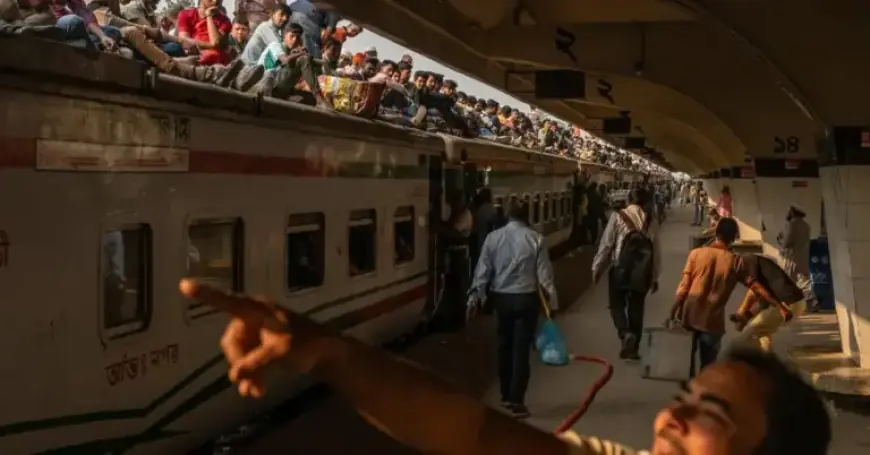
In recent months, a significant transformation is evident in Dhaka, the capital of Bangladesh, as the nation prepares for its first general elections since an authoritarian regime was overthrown in 2024. This pivotal election is seen as a critical moment for the country’s student movements, which have been striving for meaningful democratic change.
Revolutionary Success of Bangladeshi Students
The recent unrest began in July 2024, spurred by discontent over job reservations for descendants of freedom fighters. This discontent escalated into mass protests after Prime Minister Sheikh Hasina’s government cracked down on demonstrators, resulting in over 1,400 deaths. These protests ultimately led to Hasina’s resignation on August 5, 2024, and her subsequent flight to India, leaving her party, the Awami League, barred from participating in the elections.
Demands for Political Reform
- A more inclusive government through fair elections
- Stronger democratic institutions with prime minister term limits
- An independent judiciary
- Accountability for corruption and extrajudicial killings
- Improved economic opportunities for young people
Activists, such as Tanjina Tammim Hapsa from the University of Dhaka, voiced concerns. They emphasize that mere changes in police uniforms do not suffice to achieve systemic reforms.
The Road Ahead: Challenges Faced by Student Leaders
Many students express doubt regarding the potential for achieving major reforms. A prominent political leader is likely to gain power in the upcoming elections, while the proposed political agenda has been diluted. Majedur Rahman, a mathematics student, maintains that the sacrifices made during the protests should not be in vain, urging continued advocacy for systemic change.
Despite the grim outlook, some youth, like Khalid Muhammad Khan Abir, remain hopeful. Abir, a 23-year-old protest participant, recognizes this election as a chance to assert his rights. He cautions, however, that existing political factions are likely to revert to old habits of corruption.
Coalitions and Political Compromises
The National Citizen Party, which emerged from the student protests, has made controversial alliances, most notably with Jamaat-e-Islami, a religious party. Though essential political reforms are on the ballot, many students feel abandoned by compromising leaders.
| Proposal | Description |
|---|---|
| Political Participation | At least 10% of candidates for the Upper House should be women. |
| Bicameral Legislature | Structure to ensure checks on parliamentary power. |
Student activists have also raised concerns about the scarce representation of women, with only 81 out of 2,028 candidates nominated being female. This lack of representation diminishes the potential for more inclusive governance.
Security and Preparedness for Voting Day
As voting day approaches, the streets of Dhaka buzz with election activity. The government has declared a two-day national holiday to facilitate participation. Tragically, the memories of the violent crackdown linger, with enhanced security measures in place, including nearly one million troops deployed nationwide.
Bangladesh’s journey toward a more democratic future rests on the outcome of this election. The results will determine not just the nation’s political leadership but also the potential for lasting change propelled by the revolutionary spirit of its youth.