

























TrumpRx Website, Drug List, and Prices: What the New Federal Discount Portal Actually Does, What It Doesn’t, and How to Avoid Look-Alike Sites

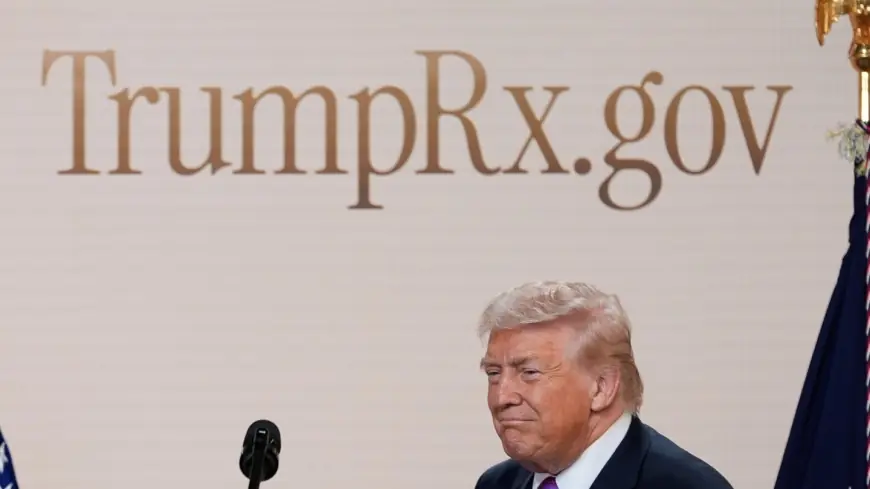
A new federal online portal branded as TrumpRx has gone live in early February 2026, promising steep cash-price discounts on a limited list of prescription drugs. The rollout has triggered a surge of searches for “TrumpRx list of drugs,” “TrumpRx prices,” and look-alike web addresses that mimic the official name. The confusion is understandable: the program advertises headline-grabbing price cuts, but it does not operate like an insurance plan, a mail-order pharmacy, or a universal discount card.
Here’s what’s known as of Thursday, February 12, 2026 ET, including the medications featured, how pricing works, and the red flags consumers should watch for.
What TrumpRx is and how the portal works
TrumpRx is presented as a government-backed price-comparison and access tool for a small set of medications, with “lowest cash price” offers tied to manufacturer programs, partner channels, or participating pharmacies. The portal highlights “most-favored-nation” style pricing language and shows side-by-side comparisons between the promoted cash price and a higher reference price.
In practical terms, that means:
-
You are generally being routed to a pathway to buy at a cash price, not guaranteed coverage through your health plan.
-
Savings may not apply if you are using insurance, and purchases may not count toward deductibles or out-of-pocket maximums.
-
Eligibility, enrollment steps, and final pricing can vary depending on the medication and fulfillment channel.
The program appears aimed primarily at uninsured people, underinsured people, and anyone paying cash for certain high-profile brand medications.
TrumpRx list of drugs: what’s on it, and what’s missing
The portal’s catalog is limited to 43 drugs. The most visible entries are high-demand, high-sticker-price brand-name medications, especially in weight loss and diabetes. Examples prominently promoted include:
-
Wegovy in multiple forms, including a pill option
-
Ozempic
-
Zepbound
The portal also lists a mix of specialty, infectious disease, migraine, rheumatology, diabetes, and seizure-related therapies, alongside some fertility-related medications. Because the catalog is small, it leaves out the vast majority of commonly prescribed drugs, including many maintenance generics people take daily.
A key criticism from health policy and pricing experts is that many drugs on the list have cheaper generic alternatives available elsewhere, which can undercut the value of a portal that spotlights branded discounts.
TrumpRx prices: the headline numbers people are searching for
The portal’s marketing centers on big percentage reductions and simple monthly figures for certain medications. Prices shown on the site for marquee drugs include:
-
Wegovy pill at a low monthly figure shown around the mid–hundreds
-
Ozempic shown at roughly two hundred dollars per month
-
Zepbound shown at just under three hundred dollars per month, depending on dose
These figures are attention-grabbing because they sit far below commonly cited retail sticker prices. But consumers should treat them as starting points. Final checkout prices can depend on dosage, availability, identity verification, and the specific fulfillment partner.
“TrumpRx dot gov” look-alikes: how to verify you’re on the real site
Search results and social sharing have produced a swarm of similarly named web addresses that can confuse users. Some may be harmless copycats, while others can be outright phishing attempts designed to harvest personal data.
Use these verification steps before entering any information:
-
Confirm you arrived via a link from an official federal agency page, not a pop-up, ad, or forwarded message.
-
Look for standard browser security indicators, including a valid secure connection and no certificate warnings.
-
Be skeptical of any site that asks for a Social Security number, upfront “membership” fees, or a payment method just to “check eligibility.”
-
Avoid any page that pushes you to download a file, install a browser extension, or “verify identity” through unusual methods.
-
If you’re asked for insurance details, make sure the page clearly explains whether the program is cash-pay only and how insurance interacts with the purchase.
If anything feels off, stop and verify through official government navigation rather than search shortcuts.
Behind the headline: why the program is structured this way
The incentives behind TrumpRx help explain both the appeal and the limitations:
-
The administration gets a highly visible “immediate savings” message without needing Congress to pass a new benefit.
-
Manufacturers can steer demand toward branded products via controlled discount pathways.
-
Pharmacies and intermediaries can participate in cash-pay fulfillment while avoiding some of the complexity of insurer billing.
Stakeholders split quickly into winners and losers:
-
Potential winners: uninsured cash-paying patients who need a specific drug on the list, especially if they were previously priced out.
-
Mixed outcomes: insured patients who may find a lower cash price but lose credit toward deductibles.
-
Likely losers: people looking for broad relief on everyday prescriptions not covered by the list, and those who could do better with generics.
The biggest missing pieces are transparency and durability: how prices are calculated, how long they last, and whether the list expands beyond 43 drugs.
What happens next: scenarios to watch in the coming weeks
Several near-term outcomes are realistic, and each has clear triggers:
-
Expansion of the drug list if additional manufacturers opt in or if political pressure builds around gaps in coverage.
-
Increased scrutiny of marketing claims if patients report mismatches between advertised prices and real checkout totals.
-
A wave of enforcement actions if look-alike sites proliferate and complaints about identity theft or fake discounts rise.
-
Pushback from insurers and pharmacy stakeholders if cash-pay routing disrupts existing pricing arrangements.
Why it matters
For consumers, TrumpRx may offer real savings on a narrow slice of medications, but it is not a universal fix for prescription affordability. The bigger risk right now is confusion: people chasing “TrumpRx website” links that are not official, or assuming portal prices work like insurance. If you’re considering using it, treat it as a cash-price option to compare against your insurance copay, your pharmacy’s cash price, and generic alternatives your clinician can prescribe.