
























Bangladesh Celebrates Landmark Election; Many Vote for First Time in 17 Years

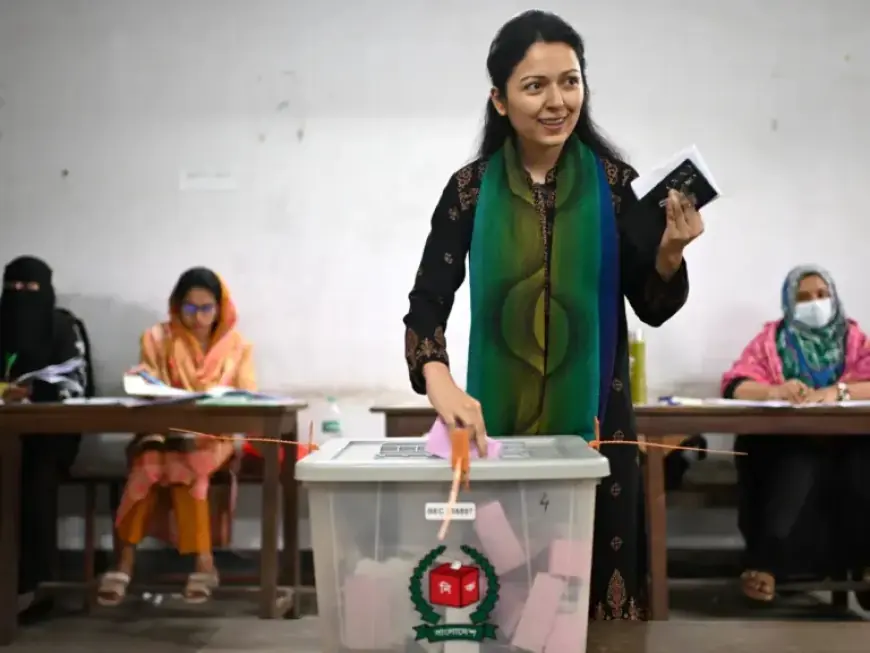
Bangladesh recently held its first parliamentary election since 2024, marking a significant return to democratic processes. Many voters participated for the first time in 17 years, following a turbulent political landscape. The election was seen as a festival atmosphere for citizens, with long queues forming at polling stations. An estimated 173 million people were eligible to vote, with a high turnout expected.
Historic Vote After Years of Turmoil
Dhaka, the capital of Bangladesh, hosted voting in 299 out of 300 parliamentary constituencies. One seat had to be canceled due to the passing of a candidate. Early reports indicate a turnout of approximately 48% by 2 PM local time.
Key Milestones in Bangladesh’s Political Landscape
- The last election prior to this was in 2008.
- Former Prime Minister Sheikh Hasina’s 15-year rule faced challenges leading to a student-led uprising in 2024.
- The “July Charter,” proposing constitutional reforms, was also put to vote alongside the parliamentary election.
Many of the voters, including Hasan Hoque and Jainab Lutfun Naher, expressed their joy at being able to vote again after so many years. Naher mentioned that her daughter was born the last time she cast a ballot, highlighting the long wait for many citizens.
Political Dynamics and Expectations
This election saw two key alliances: the Bangladesh Nationalist Party (BNP), led by Tarique Rahman, and a coalition led by Jamaat-e-Islami. Both alliances aim to restore democratic governance and represent the people’s aspirations.
Tarique Rahman, a frontrunner for the prime minister position, emphasized the need for improved law and order if he were to win. Similarly, Muhammad Yunus, head of the interim government, referred to the election day as the “birthday of a new Bangladesh,” symbolizing a fresh start for the nation.
Citizen Sentiments and Future Outlook
Voter enthusiasm was palpable as citizens traveled great distances to cast their votes, often in festive spirits. Reports suggested a significantly peaceful election with minimal allegations of fraud, a shift from previous cycles characterized by violence and electoral malpractice.
- Asif Mohammad Shahan, a professor, noted the absence of major irregularities.
- Political analyst Dilara Choudhury commented on the potential for a new political landscape if both governing and opposition parties embrace the outlined reforms.
Concerns about pressing issues like education and economy also emerged during the voting process. Many voters hope the new government will address these challenges effectively.
Conclusion
Overall, Bangladesh’s landmark election has been a significant moment in its ongoing journey towards democracy and governance. The participation of first-time voters combined with a largely peaceful electoral process sets a hopeful tone for the future of the nation.