























Constructing an Olympic Halfpipe Requires Intuition: ‘You Sense It Internally’

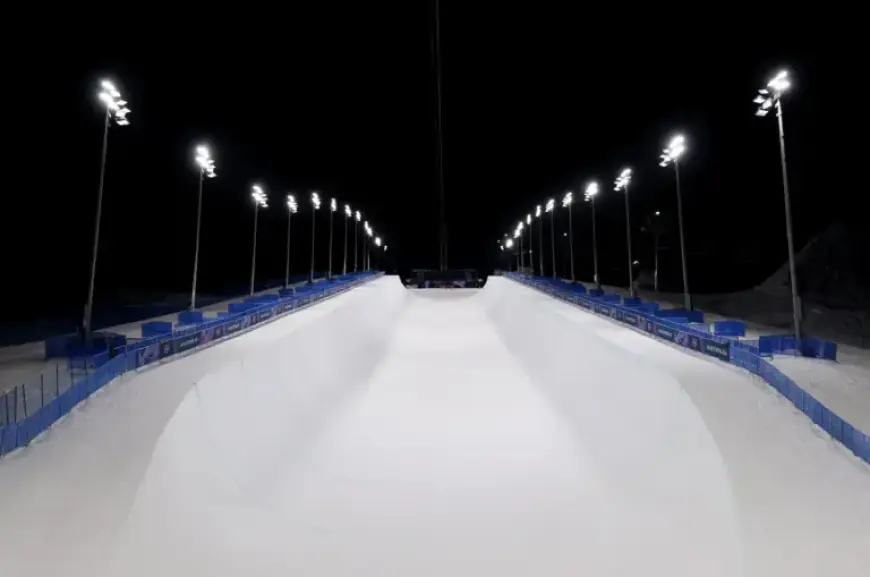
Chloe Kim is set to compete in an Olympic halfpipe event this week in Livigno, Italy. Her performance aims to carve her place in history. Just one day later, spectators will watch as Ayumu Hirano from Japan attempts to secure his own legacy with gravity-defying tricks.
Understanding the Olympic Halfpipe
Constructing an Olympic halfpipe requires a deep understanding of various factors. Key elements include geometry, timing, and feel. All of these play crucial roles in how athletes perform in this challenging sport.
The Importance of Geometry, Timing, and Feel
- Geometry: The design of the halfpipe impacts the tricks that athletes can execute.
- Timing: Athletes must synchronize their movements perfectly for optimal performance.
- Feel: A sense of the halfpipe is vital for successfully landing complex maneuvers.
As the event draws closer, the excitement builds around the accomplishments of these talented athletes. With the right blend of skill and intuition, both Kim and Hirano are poised to leave their mark on Olympic history.