

























Americans Turn to Affordable Plug-In Solar Panels to Reduce Electric Bills

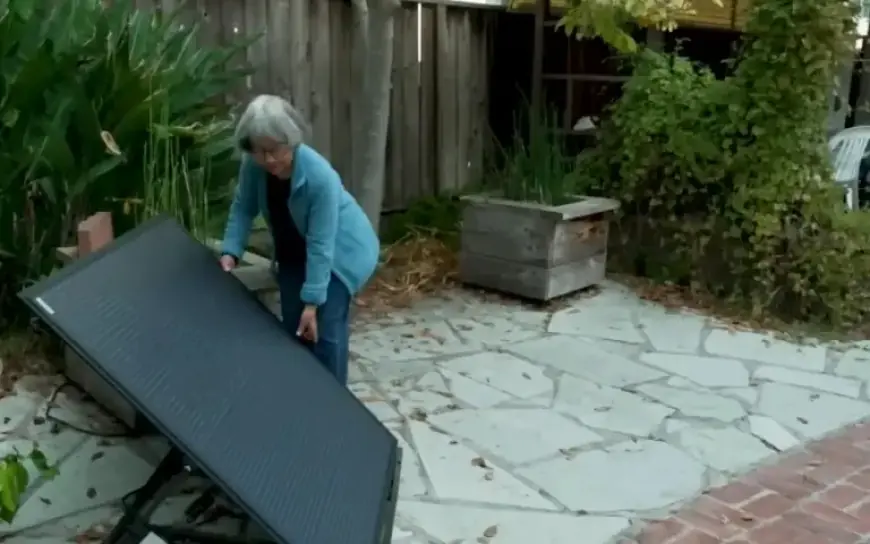
Americans are embracing affordable plug-in solar panels as a viable solution to lower electric bills. These compact systems are transforming how households harness solar power, making it more accessible than ever.
Affordable Plug-In Solar Panels: A Convenient Solution
Instead of facing the high costs of traditional rooftop solar installations, which can exceed tens of thousands of dollars, families are opting for smaller kits that require minimal setup. Generally priced around a few hundred dollars, these systems can be operational in less than an hour.
- Plug-in solar panels can be mounted on balconies, walls, or carports.
- Simply connect the unit to a standard outlet to start generating electricity.
This option is particularly appealing to individuals on fixed incomes who cannot afford the steep upfront costs associated with larger rooftop systems. The trend, which started in Germany with “balcony solar” systems, is now gaining momentum in the United States.
Real-Life Examples of Plug-In Solar Use
Retirees like Agnes Chan from Berkeley, California, exemplify this shift. After discovering that rooftop solar was financially unfeasible, she invested in a $400 plug-in solar kit. Chan anticipates that her system will pay for itself within two to three years, helping her reduce monthly bills that can reach hundreds of dollars.
Another resident, Joe Tenenbaum, chose an 800-watt plug-in solar panel system for $1,600. He realized that a full rooftop installation would demand significant investment and unfeasible roof repairs, making the plug-in option ideal for him as a renter. While his setup cannot power everything in the household, it can sustain essential appliances, decreasing his monthly electricity costs by 5 to 10%.
Challenges Ahead for Plug-In Solar Technologies
Despite their benefits, plug-in solar systems encounter some obstacles. In several regions of the U.S., connecting these panels directly to a home outlet may violate local regulations, akin to rooftop installation requirements. Utility companies argue that these regulations ensure grid safety and reliability.
Some engineers caution that unregulated systems could create hazards, such as energizing downed power lines. Nevertheless, modern micro-inverters and established electrical codes can mitigate many of these risks. Several states are proactively adapting legislation; for instance, Utah recently passed laws that permit plug-in solar use without extensive registration under certain safety conditions.
The Future of Plug-In Solar in America
While plug-in solar may only address a fraction of the U.S. energy demand, advocates maintain that every watt of renewable energy matters. For many Americans, the simple act of opening a box to see their solar panel generate power is a fulfilling experience, akin to receiving a practical gift.
As the landscape for renewable energy continues to evolve, plug-in solar technology holds great promise for enhancing energy independence and affordability for millions of people across the nation.