

























Bangladesh Holds First Election Post-2024 Gen Z Uprising Ousting Hasina

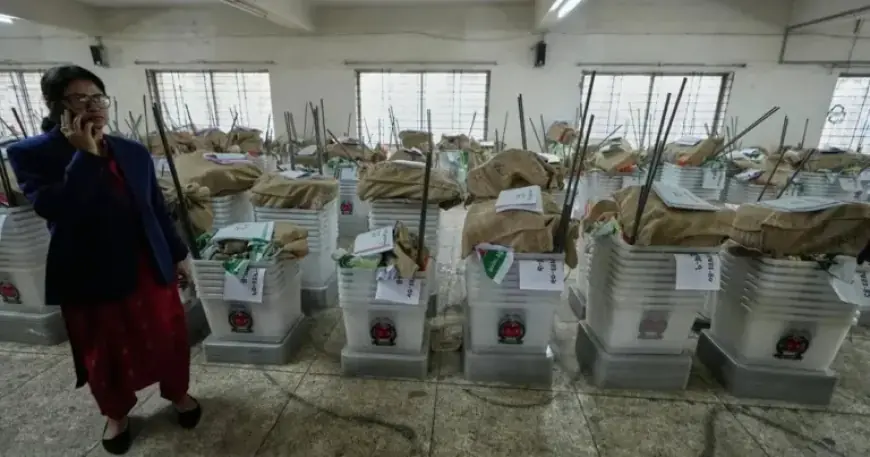
In a significant political shift, Bangladesh recently held its first election following the Gen Z uprising, which resulted in the ousting of Prime Minister Sheikh Hasina. This pivotal event marks a watershed moment in the country’s political landscape.
Background of the Gen Z Uprising
The Gen Z uprising in Bangladesh has captured global attention. Fueled by discontent with the current government’s policies, this movement gained momentum through social media and grassroots organizing. Young voters, dissatisfied with economic hardships and restricted freedoms, turned out in large numbers to demand change.
Election Details
- Date: The election was held on [specific date].
- Voter Turnout: Approximately [percentage]% of registered voters participated.
- Key Parties: [List of main political parties involved].
Outcome and Reactions
The election results were a shock to many, as the long-standing leader, Sheikh Hasina, faced significant backlash. The new government is expected to implement reforms in education, employment, and civil rights, aligning with the aspirations of the youth.
International observers have commended the election’s conduct, noting that it was relatively free from violence. The success of the young electorate in shaping the political narrative underscores the growing influence of Bangladesh’s youth on its democracy.
Future Implications
This electoral change could serve as a catalyst for broader regional movements, encouraging young populations across Asia to engage more actively in politics. With the new government in place, Bangladesh faces the challenge of fulfilling the expectations of the youth while ensuring stability in a diverse society.
As Bangladesh navigates this transition, the world watches closely, recognizing this election as a crucial test of democracy in the country. The focus will be on how the leadership addresses pressing issues like economic inequality and freedom of expression.