

























NPR: Trump’s EPA Dismantles Foundation for Federal Climate Initiatives

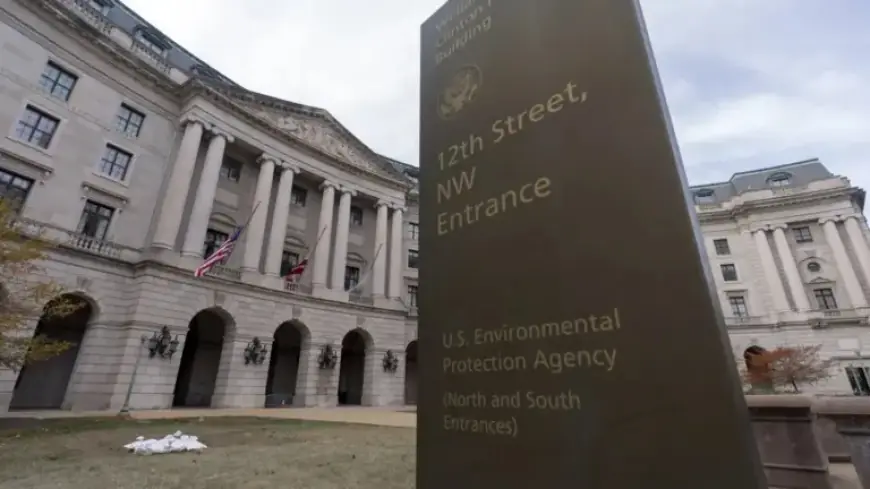
The Trump administration has moved to dismantle essential foundations for federal climate initiatives by rescinding the endangerment finding established by the Environmental Protection Agency (EPA). This decision marks a significant shift in U.S. climate policy, paving the way for extensive regulatory rollbacks. The endangerment finding, issued in 2009 under the Clean Air Act, allowed for regulation of greenhouse gases, asserting that pollutants from fossil fuel consumption posed a threat to public health and welfare.
Details of the Rescission
On November 2, 2023, the Trump administration officially announced the rescinding of the endangerment finding, arguing that the Clean Air Act does not permit the regulation of greenhouse gases. White House press secretary Karoline Leavitt stated that this move is set to be the largest deregulatory action in American history. EPA Administrator Lee Zeldin accompanied President Trump for the announcement.
Implications for Climate Policy
- Transportation continues to be the largest source of greenhouse gas emissions in the U.S.
- The removal of the endangerment finding is expected to eliminate effective regulations on car and truck emissions.
- Experts predict that this will initiate years of legal disputes, likely culminating in a Supreme Court appeal.
Environmental advocates criticized the decision as a significant setback for climate protection efforts. Abigail Dillen, president of Earthjustice, condemned it as a disservice to those affected by climate catastrophes.
The Legal Background
The legal basis for environmental regulations began with the U.S. Supreme Court ruling in Massachusetts v. EPA in 2007, which determined that the EPA has the authority to regulate greenhouse gases. In 2009, the endangerment finding classified greenhouse gases as a risk to human health. The Trump administration aims to challenge the legitimacy of these established precedents, arguing that previous administrations exceeded their authority and imposed excessive costs.
Impact on the Auto Industry
The Trump administration’s plans include significant deregulation in the automotive sector, impacting standards for greenhouse gas emissions from vehicles. Under the Biden administration, regulations encouraged automakers to shift towards electric vehicles (EVs). However, the new policies from the Trump administration threaten to reverse these gains, reverting to less stringent standards.
- The elimination of federal standards could lead to increased emissions from traditional gas and diesel vehicles.
- Automakers face challenges in planning due to frequent changes in regulation, affecting long-term investment in EV technology.
- Environmental and consumer benefits tied to stricter emissions standards are expected to diminish.
The National Highway Traffic Safety Administration previously set ambitious regulations that incentivized the manufacture of cleaner vehicles. California’s ability to enforce its emission standards has also been jeopardized, potentially leading to a patchwork of state regulations in the absence of federal oversight.
Legal Challenges Ahead
As the Trump administration moves forward with these policy changes, environmental groups are likely to mount legal challenges against the EPA. The ramifications of rescinding the endangerment finding may jeopardize the United States’ commitment to international climate agreements and its role in global emissions reduction efforts.
Once the EPA’s final decision is documented in the Federal Register, extensive litigation efforts are anticipated. Both environmentalists and legal scholars will watch closely as this controversy unfolds, potentially setting new precedents in U.S. environmental law.