





















Ukrainian Sled Racer Defies Olympic Ban, Honors Slain Soldiers with Helmet

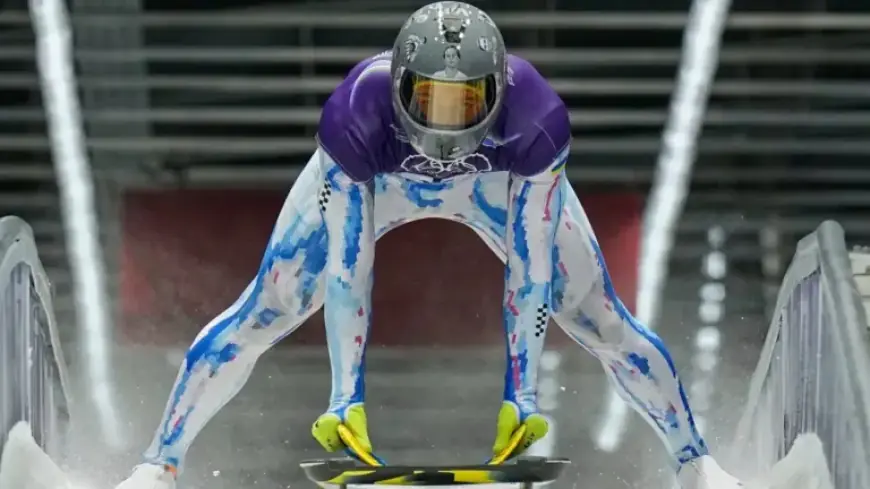
Vladyslav Heraskevych, a Ukrainian sled racer, faced a significant challenge at the 2026 Winter Olympics in Cortina d’Ampezzo, Italy. During a recent training session, he wore a helmet adorned with images of Ukrainian athletes who lost their lives during Russia’s ongoing invasion of Ukraine. This act of tribute has sparked a conflict with the International Olympic Committee (IOC), which deems the helmet a violation of Olympic rules that prohibit political statements in sports.
Defying the Olympic Ban
The IOC has warned Heraskevych that continuing to wear the helmet could lead to his disqualification from the Games. IOC spokesperson Mark Adams urged the athlete to remove the helmet, emphasizing the need to maintain a neutral environment for all competitors. He mentioned, “We would beg him, we want you to compete.”
On social media, Heraskevych expressed his determination to honor the fallen athletes, asserting that other competitors have successfully commemorated their loved ones without facing penalties. “This situation could serve as a perfect definition of the concept of double standards,” he stated, advocating for the right to wear the helmet during his competitions.
Background and Context
Heraskevych, a serious contender in skeleton racing, finished fourth at the previous year’s world championships. His presence in Italy aims to draw attention to the dire conditions faced by many in Ukraine during the harsh winter. In recent statements, he described the struggles of the Ukrainian people, many of whom lack basic necessities like electricity and heating due to the war.
- Vladyslav Heraskevych: Ukrainian sled racer
- Location: Cortina d’Ampezzo, Italy
- Olympic Competition: February 2026
- IOC Decision: Helmet deemed politically expressive
- Competing Events: Skeleton heats and finals
Pledges from IOC and Support from Leaders
In a bid to compromise, the IOC suggested that Heraskevych could wear a black armband instead. The organization hopes to resolve the situation and reassure athletes of their opportunities to express their grief.
Ukrainian President Volodymyr Zelenskyy has publicly expressed support for Heraskevych. In a social media post, he highlighted the names of some of the athletes portrayed on the helmet, including Dmytro Sharpar and Yevhen Malyshev, who were killed due to the conflict. Zelenskyy stated, “This truth cannot be inconvenient, inappropriate, or called a ‘political demonstration at a sporting event.’”
Conclusion
The controversy surrounding Heraskevych’s helmet raises questions about the intersection of sports and politics, especially in the context of ongoing conflict. While the IOC aims to maintain neutrality, athletes like Heraskevych are leveraging their platforms to advocate for awareness and remembrance of those lost. As the skeleton competition approaches, the world watches closely to see how this situation unfolds.