





















Ukrainian Skeleton Racer Heraskevych Resumes Training in Banned Helmet

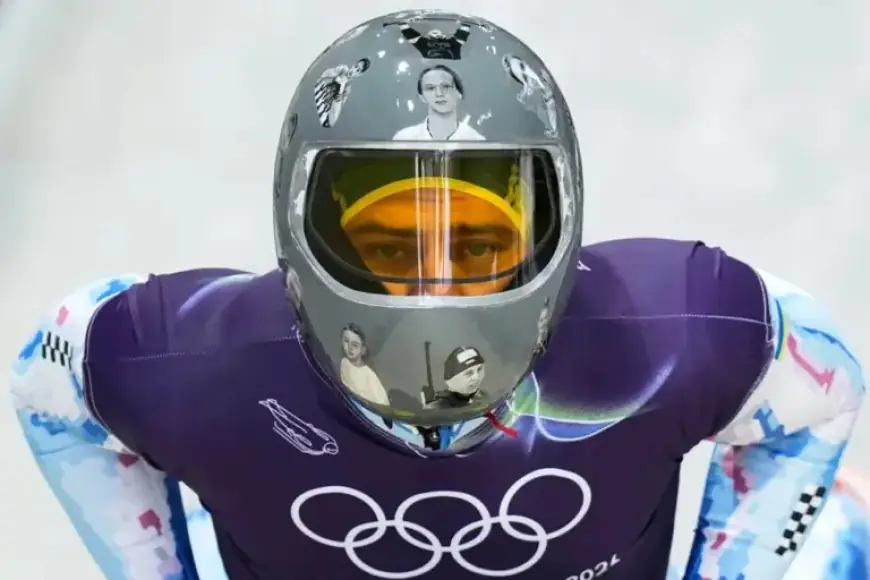
Ukrainian skeleton racer Vladyslav Heraskevych resumed training in his controversial helmet ahead of the Milan Cortina Games. This decision comes on the eve of his competition, amid pressure from the International Olympic Committee (IOC) to reconsider his approach to expressing political sentiments.
Heraskevych’s Banned Helmet
Heraskevych’s helmet features the faces of over 20 Ukrainian athletes and coaches who lost their lives during the ongoing war with Russia, which began after the 2022 Beijing Olympics. Despite explicit IOC regulations prohibiting political statements during competitions, the athlete trained wearing the helmet nonetheless.
IOC’s Stance
The IOC asserted that Heraskevych’s helmet was not compliant with their guidelines. IOC spokesman Mark Adams stated, “The helmet does not comply with Olympic rules.” He emphasized that athletes should express their grief through other channels, such as social media and press conferences.
- Helmet created by a Ukrainian artist
- Symbolizes loss of over 20 athletes and coaches
- IOC offers alternative: wear a black armband
Support from Fellow Athletes
Other Ukrainian athletes voiced their support for Heraskevych in creative ways during their events. Luge competitor Olena Smaha wrote “Remembrance is not a violation” on her glove, while skier Dmytro Shepiuk displayed “UKR heroes with us” after his race.
Tribute Allowances
Heraskevych argued that some athletes have been permitted to honor their lost loved ones during competitions. For instance, U.S. figure skater Maxim Naumov recently paid tribute to his parents in the competition venue.
Anticipation for Competition
Heraskevych is viewed as a strong medal contender at the Cortina Games, maintaining a steady performance throughout training. He consistently finished no lower than sixth in five official training runs leading up to the race.
As the debate over his helmet continues, both the athlete and the IOC aim to engage in dialogue to find a resolution that respects his sentiments while adhering to Olympic regulations.