

























Qinwen Zheng and Xinyu Wang: Doha runs spotlight China’s 2026 reset

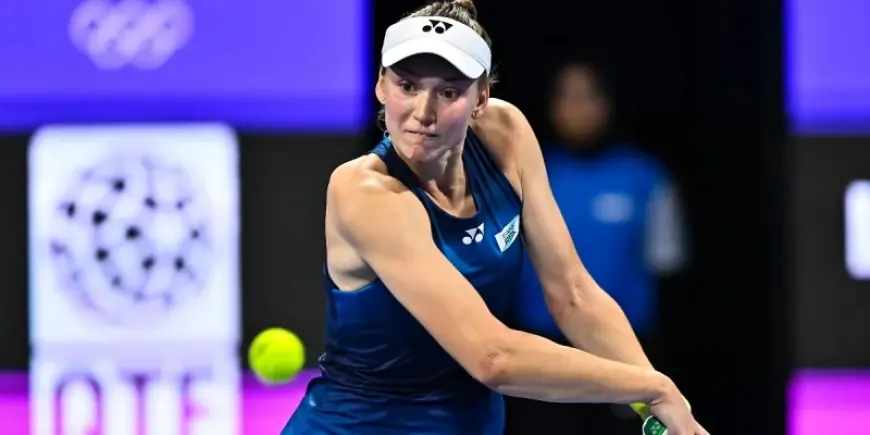
Qinwen Zheng’s first full week back on tour after an elbow layoff and Xinyu Wang’s latest hard-court test have converged in Doha, where both Chinese players have been in the spotlight for very different reasons. Zheng has looked like a contender again, piling up aces and surviving a long three-set battle to keep her campaign alive, while Wang’s momentum hit a wall against elite opposition after a solid opening win.
As of Wednesday, Feb. 11, 2026 (ET), both storylines point to the same bigger theme: China’s women’s tennis is still producing depth, but the gap between “dangerous” and “title threat” is being defined by health, second-week consistency, and how players handle the tour’s top tier.
Qinwen Zheng’s return: power is back, stamina tested
Zheng’s Doha week has been framed by one simple question: can her body handle the load after months of managing elbow pain and recovery? On court, the most visible answer has been her serve. In her first match of 2026, she leaned heavily on pace and placement, producing a high ace count and using quick points to protect her arm and conserve energy.
The tougher proof came in the next round, when she was dragged into a three-set match that demanded extended rallies, resets after swings of momentum, and the kind of repeated acceleration that can be uncomfortable for a player returning from an elbow issue. Zheng ultimately pulled through, and the way she finished—stronger in the deciding set—suggested she’s not just surviving on first strikes.
That blend of power and late-match control is what separates a short comeback cameo from a real return to the business end of tournaments.
Xinyu Wang’s Doha week: early win, then a steep step up
Wang opened the week with a win that showcased her ability to absorb pressure and close, even when the finish line got messy. She created separation late, faced multiple chances to end it, and eventually sealed the match—an encouraging sign for a player who often lives on thin margins in hard-court exchanges.
Then came the kind of matchup that exposes where the top of the game has moved: pace that rushes your preparation, depth that pins you behind the baseline, and a serve-return pattern that limits free points. Wang was beaten in straight sets in that higher-round test, and while that result isn’t unusual against the very top, it underscores what her next step needs to be: turning “competitive stretches” into sustained pressure over a full set.
Her season is trending around that challenge—raising her floor against mid-tier opponents and finding one or two reliable patterns that still work when the other side removes time.
How their paths intersect: different problems, same goal
Zheng and Wang sit at different points on the spectrum. Zheng’s ceiling is clear: when healthy, she has the firepower to dictate and the athleticism to defend without giving up court position. Her main obstacle is durability and match volume—stringing together wins without her elbow becoming the story again.
Wang’s obstacle is more about breakthrough leverage: she has the tools to win rounds and punish short balls, but she needs a sharper conversion gear against elite opponents—either by improving first-serve damage, taking the ball earlier, or tightening the patterns that lead to short replies.
In a tour calendar that quickly stacks big tournaments back-to-back, those are the differences that decide whether a player is banking points early in the year or chasing them later.
Key takeaways right now
-
Zheng has shown her serve and aggression have returned, and she has already passed a three-set endurance test in Doha.
-
Wang earned an opening win but ran into the tour’s top-tier pace and precision in the next round.
-
The most important variable for Zheng remains health management across consecutive matches.
-
For Wang, the next leap is developing a repeatable plan that holds up when time is taken away.
What to watch next: points, matchups, and health signals
For Zheng, the next match is less about style and more about clues: how she handles extended baseline exchanges, whether she protects the elbow by shortening points intelligently, and if her serving remains a weapon deep into the match. If she keeps piling up aces and finishing strongly in sets, she’ll be difficult for anyone to manage on hard courts.
For Wang, watch the next few tournaments for two indicators: whether she can stack wins without rollercoaster sets, and whether she can steal a “big” win by taking returns earlier and committing to first-strike patterns. Even a single signature victory can change her seeding landscape and the kinds of draws she sees in March.
The broader significance is that both players are shaping China’s immediate outlook in women’s tennis: one aiming to reassert herself near the top after injury, the other trying to convert solid tour-level results into consistent second-week presence.
Sources consulted: Reuters, WTA Tennis, Tennis.com, Xinhua