

























NASA and Boeing Strive to Launch Starliner Back to Flight

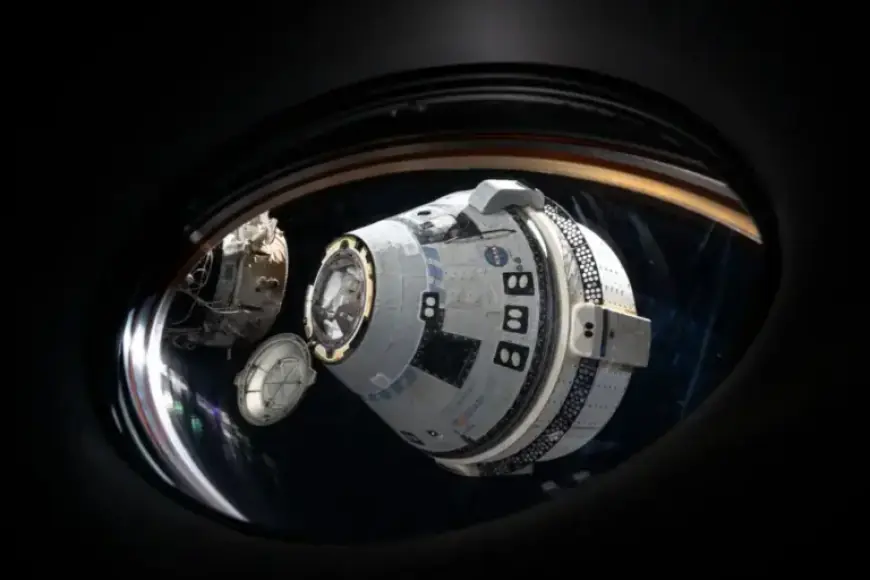
NASA and Boeing are collaborating to advance the CST-100 Starliner towards its upcoming flight. There is still uncertainty regarding its initial launch as the agency aims to send astronauts back to the International Space Station (ISS).
Upcoming Missions and Challenges
The next crew rotation mission to the ISS features a SpaceX Crew Dragon, which is scheduled to launch on a Falcon 9 rocket as part of the Crew-12 mission. This launch has been postponed to February 13 due to unfavorable weather conditions along the East Coast, affecting safety protocols.
Initially, Boeing’s Starliner was expected to be ready; however, setbacks during its crewed test flight in 2024 led NASA to opt for an uncrewed return. The astronauts who were aboard Starliner returned safely after travelling with Crew Dragon.
Modifications to the Starliner Program
In November, NASA modified its commercial crew contract with Boeing. The planned Starliner-1 mission will now be a cargo-only flight, pushing back its operational crewed debut. Following Starliner-1, three crewed missions are set, with an option for two additional flights.
NASA indicated that Starliner-1 could launch as early as April 2026. However, a specific date has not yet been established. Steve Stich, NASA’s commercial crew program manager, emphasized the importance of completing necessary technical work before launching Starliner.
Technical Improvements and Testing
- Addressing helium pressurization system leaks identified in previous tests.
- Resolving thruster malfunctions observed during the last mission.
- Continuing thruster testing, including hot-firing exercises on Starliner-1’s crew module.
Efforts are ongoing to enhance the helium system by replacing seals that had degraded. Engineers are also developing models to predict thruster performance and ensure reliability ahead of future missions.
Future Prospects
Starliner-1 will not only transport cargo but also validate the updates made to the spacecraft. If successful, NASA plans to proceed with the Starliner-2 mission for a long-duration crew rotation.
NASA is simultaneously preparing for a busy schedule of ISS missions, including the Northrop Grumman Cygnus cargo spacecraft launch set for early April. The outcome of Starliner-1 will significantly influence the timeline for subsequent crewed missions, determining whether the next flight will be Crew-13 or Starliner-2.
With the Crew-12 mission intended to last approximately eight months, NASA has some flexibility to finalize plans for the subsequent mission following Crew-12. Crews are currently engaged in training preparations for both potential future missions.