























Thomas Frank Sacked by Tottenham After Newcastle Defeat as Premier League Relegation Pressure Spikes

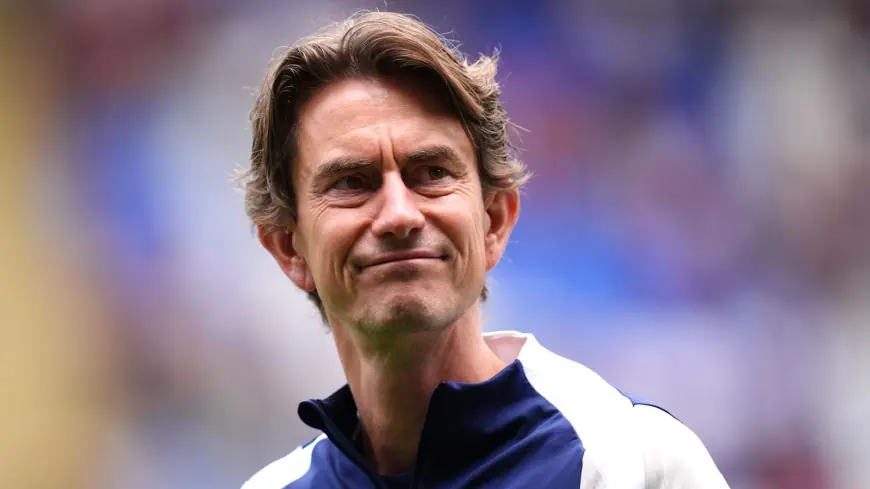
Thomas Frank has been dismissed as Tottenham head coach on Wednesday, February 11, 2026, a day after a damaging 2–1 home loss to Newcastle pushed Spurs deeper into a relegation battle. The decision ends an eight-month stint that began with optimism and a long contract, but unraveled amid a prolonged domestic slump, angry home crowds, and a league position that left Tottenham hovering just five points above the drop.
The trigger was Tuesday night’s defeat to Newcastle, a match that stretched Tottenham’s winless league run to eight games and intensified the sense that time had run out.
Tottenham vs Newcastle: the result that tipped it over
Newcastle’s 2–1 win in North London was more than another bad night; it looked like the moment Spurs lost the benefit of doubt. Tottenham briefly pulled level in the second half but conceded again soon after, and the stadium reaction turned sharply hostile. The loss compounded a season pattern: flashes of attacking threat, followed by defensive fragility and late-game instability.
For Newcastle, the victory mattered too. It halted a rough patch and steadied a campaign that had drifted toward mid-table frustration, giving them momentum heading into the run-in.
Why Tottenham moved now: incentives behind the sacking
Tottenham’s incentives were brutally simple. When a club of Spurs’ resources is sitting 16th after 26 matches, leadership starts thinking less about long-term “project” language and more about survival math.
Three pressures converged:
-
Relegation risk became tangible. The gap to safety shrank to the kind that disappears over two bad weekends.
-
Fan sentiment hardened. Once the crowd flips from frustration to resignation, home matches stop being an advantage and start becoming a weekly referendum.
-
The calendar offered a narrow window. With a huge derby looming later in the month, Spurs were facing a choice between acting immediately or letting a new coach inherit an even worse situation.
Frank’s departure also reflects a club-level constraint: Tottenham were not just losing, they were losing without a clear identity that supporters could cling to while injuries and form swings played out.
Behind the headline: what changed from “smart hire” to “untenable”
Frank arrived with a reputation for structure, squad development, and overachievement. Those traits can translate well, but Tottenham’s environment is different: expectations are louder, tactical patience is thinner, and a single bad run can become existential.
The deeper issue wasn’t just results. It was the gap between what the team was trying to be and what it looked like on the pitch. Spurs struggled to control games, struggled to protect leads, and struggled to turn possession into low-risk chances. When that coincides with a mounting injury list, confidence collapses quickly, and cautious football gets interpreted as fear rather than strategy.
For Newcastle, the match also underlined a contrasting dynamic: a team that has ridden out turbulence before can look composed in the moments that decide tight games, especially away from home.
Stakeholders: who gains, who loses, who holds leverage
-
Tottenham’s board buys optionality. A new appointment can reset mood, change selection, and reframe the season as a rescue mission rather than a slow-motion failure.
-
Players inherit accountability. “The manager is gone” often removes the last excuse and forces senior players to lead.
-
Supporters get a cathartic decision, but also absorb the instability of another coaching change.
-
Newcastle benefit quietly. Wins like this can shape a rival’s internal decisions, and the points themselves matter for finishing position and confidence.
What we still don’t know
Several critical details remain open and will shape the next chapter:
-
Who takes the job immediately and whether it’s an interim appointment or a fast permanent hire
-
Whether Tottenham will prioritize pragmatic survival football or try to impose a new style mid-crisis
-
How serious the injury situation is going into the next two weeks
-
Whether dressing-room support for Frank had fully eroded or whether the decision was mainly driven by results and atmosphere
What happens next: realistic scenarios with clear triggers
-
Short-term bounce under an interim coach
Trigger: simplified tactics, steady team selection, and early results that rebuild belief. -
Immediate decline continues
Trigger: tougher fixtures, continuing injuries, and a squad that cannot stabilize defensively. -
Rapid permanent appointment
Trigger: board alignment on a single candidate who can command the dressing room quickly. -
A shift to survival-first football
Trigger: coaching staff prioritizes compactness, set pieces, and minimizing mistakes over aesthetics. -
Newcastle uses the win as a springboard
Trigger: improved attacking cohesion and confidence that turns one statement away win into a run.
Why it matters
Tottenham’s sacking of Thomas Frank is less about one coach and more about how quickly Premier League gravity punishes uncertainty. For Spurs, the story is now a relegation-risk rescue mission with little margin for error. For Newcastle, it’s a reminder that one decisive result can reshape not only a table, but a rival’s entire season narrative.