

























Southern Residents Mourn Thousands of Storm-Damaged Trees

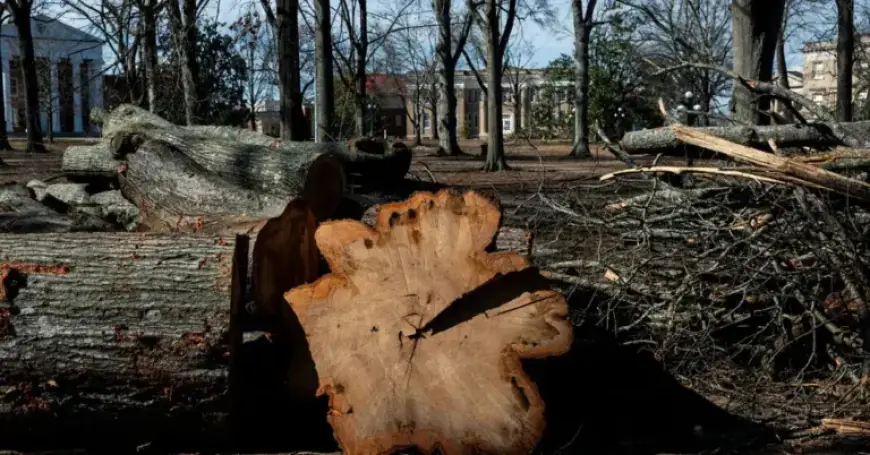
The recent winter storm has devastated communities across the Southern United States. Countless people are mourning thousands of storm-damaged trees, which played a vital role in local landscapes and ecosystems. From Nashville to Louisiana, residents reflect on their losses with deep sorrow.
Impact of the Winter Storm
A powerful winter storm unleashed sheets of ice and freezing rain last month. The damage was felt widely. Many areas experienced prolonged power outages, leaving residents without essential heat and electricity for over a week.
- Thousands of trees were severely damaged or destroyed.
- Communities are struggling to recover from the significant financial burden of storm-related property damage.
- Emergency services reported incidents of falling limbs and trunks, contributing to the chaos.
Emotional Toll on Communities
The emotional connection to trees is deeply rooted in Southern culture. Many people have shared their grief over the loss of iconic species, such as live oaks and Southern magnolias. For example, Robin Sasseville, a Nashville resident, expressed her sadness about losing trees she had nurtured over the years.
In Warner Parks, estimates indicate more than 2,000 trees were lost. A historic hackberry tree at the Nashville Zoo, over 150 years old, is now a victim of this storm. Similarly, Cheekwood Estate & Gardens reported severe damage to a century-old red oak.
Unique Characteristics of the Damaged Trees
Certain tree species suffered more during this storm. Below are some common casualties:
- Hackberry Trees: Often dismissed, they faced extensive damage.
- Southern Magnolias: Their broad leaves contributed to ice accumulation.
- Red Oaks and Maples: Less resilient to such conditions, many were deemed unsafe to remain.
Community Response and Recovery Efforts
As residents cope with the aftermath, some have turned their focus towards rebuilding. New trees are anticipated to be planted in the spring, marking the initial steps toward recovery.
Authorities have also faced scrutiny regarding their vegetation management practices. Nashville Electric Service, for instance, is examining its tree trimming policies after accusations of neglect emerged. Residents demand better care to mitigate future storm damage.
Conclusion
In the wake of the storm, the removal of damaged trees leaves substantial gaps in the landscape. As communities mourn thousands of storm-damaged trees, the emotional and environmental impacts resonate deeply within the hearts of Southern residents. Moving forward, a collective effort is needed to restore the greenery that defines these cherished spaces.